In my experience, colder climates can be absolutely brutal on many fruit trees and bushes, often leaving me with disappointing harvests after harsh winters take their toll. I used to think living in a cold zone meant giving up on growing my favorite fruits altogether. But over the years, I have discovered that the right varieties not only survive the chill—they actually need that cold period to set fruit properly.
I have personally tested plenty of fruit trees that are perfectly suited to cold climates, and some even require those freezing temperatures to produce their best crops. I think you will be amazed at how well these options perform when other plants would simply give up. If you are tired of winter damage destroying your harvest dreams, I am excited to share my top 7 picks that thrive in the cold.
These super cold-hardy trees genuinely do not mind the lower temperatures, and they reward me with fresh harvests even in the coldest months. I find they not only handle the conditions beautifully but also deliver incredible flavor that makes all the effort worthwhile. I encourage you to spend a few minutes exploring these varieties—I think at least one will be perfect for your backyard.
1. Apricot – My Frost-Tolerant Stone Fruit Surprise
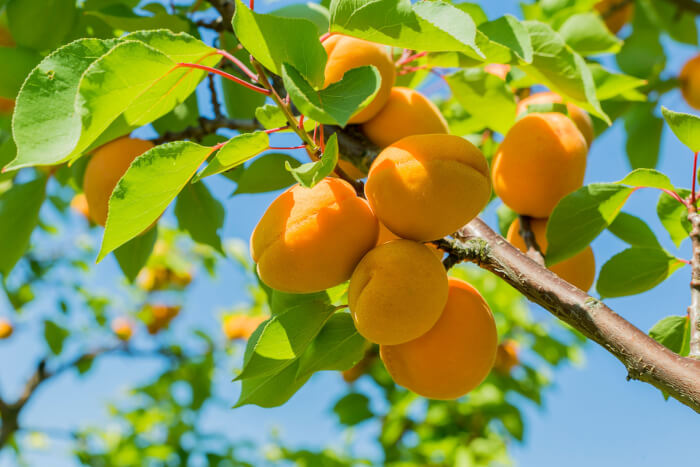
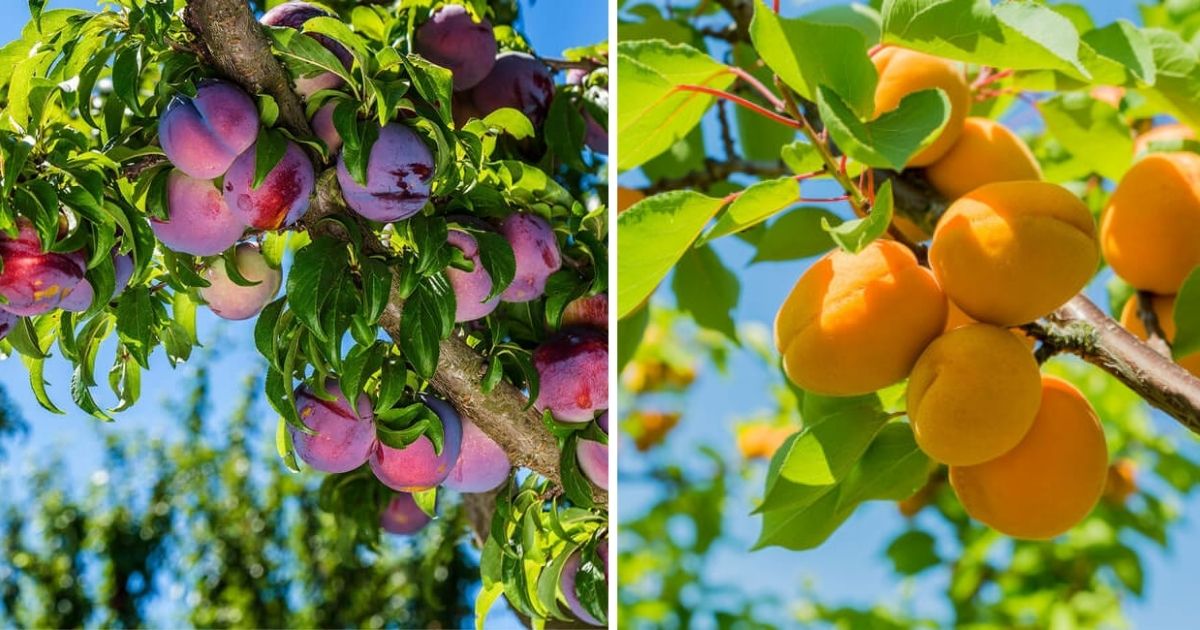
Apricot is a tree that genuinely surprised me with its ability to tolerate frost during the harshest winter days. I find it incredibly rewarding to watch the tree mature and finally produce an abundance of fruit starting from its fourth year of growth. In my opinion, the sweet, golden harvest is absolutely worth the patience, and I think every cold-climate gardener should give this stone fruit a try.
2. Peach – My Sunny Acid-Soil Favorite
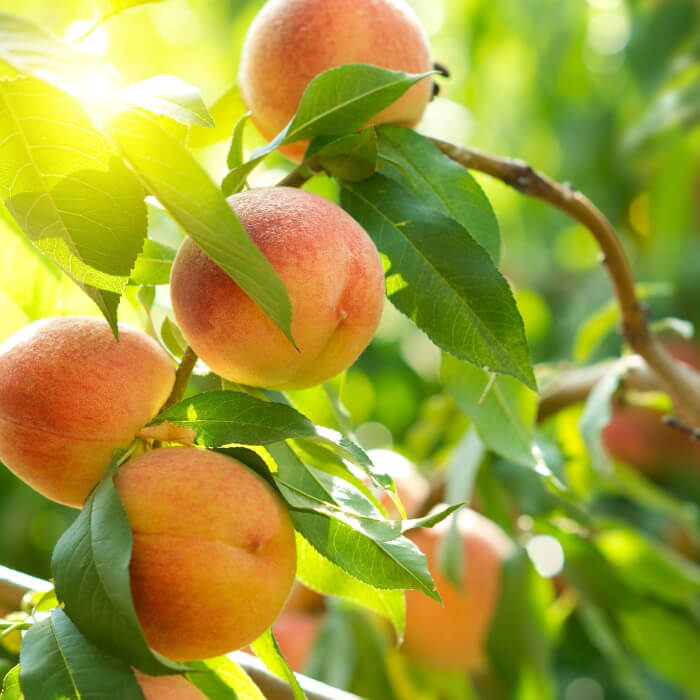
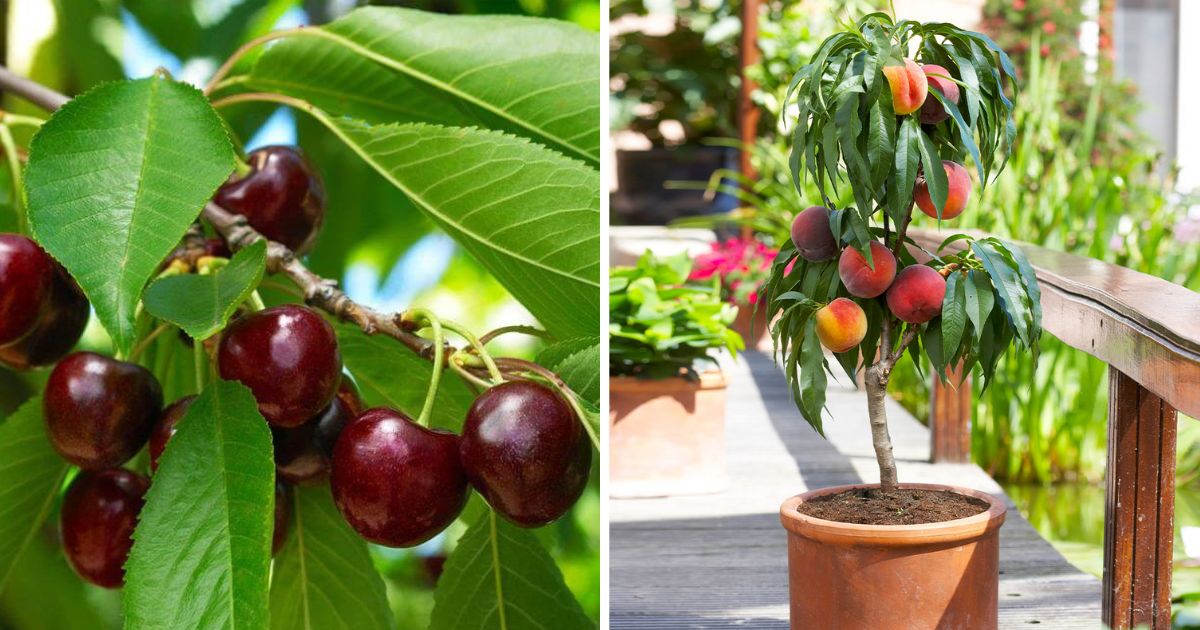
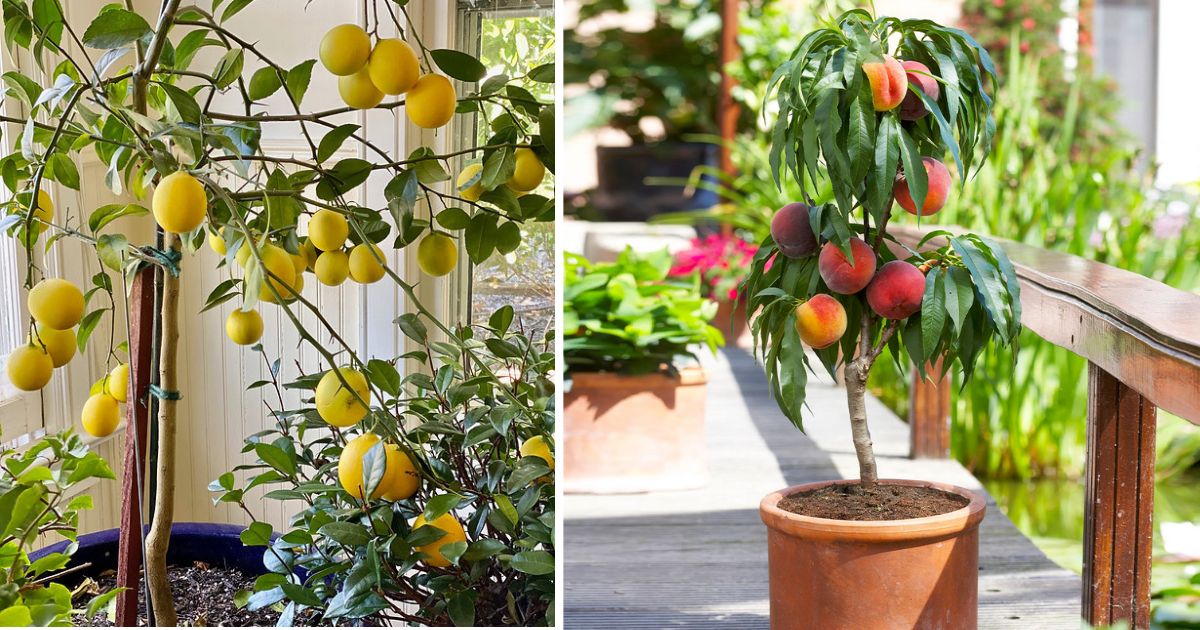
Peach is one of my most beloved fruit trees because it thrives in slightly acidic soil and absolutely demands full sun to produce those juicy, fragrant fruits. I have found that choosing cold-hardy varieties makes all the difference between disappointment and a basket overflowing with summer sweetness. I think there is nothing quite like biting into a sun-warmed peach picked straight from your own garden.
3. Pear – My Low-Maintenance Orchard Giant
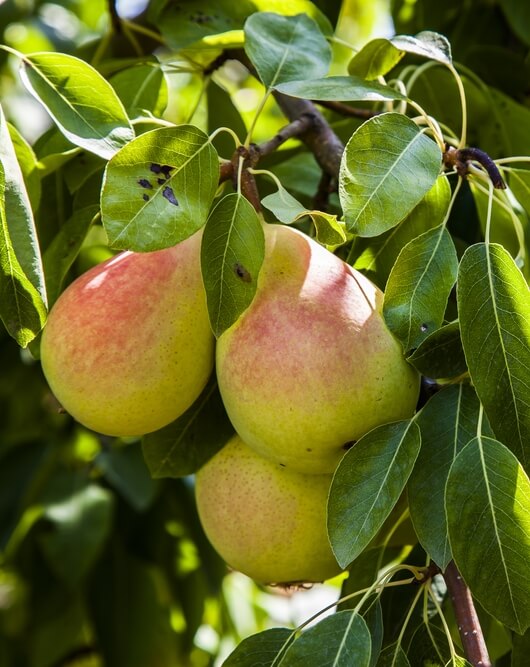
Pear is a fantastic choice for my landscape because these trees can grow up to 40 feet tall and are remarkably less susceptible to pests and diseases than many other fruits. I love that I can choose dwarf varieties to grow in containers if space is limited. I do watch out for early spring frosts though, since their flowers bloom first and can be damaged while still in delicate bloom.
4. Nectarine – My Smooth-Skinned Sun Lover
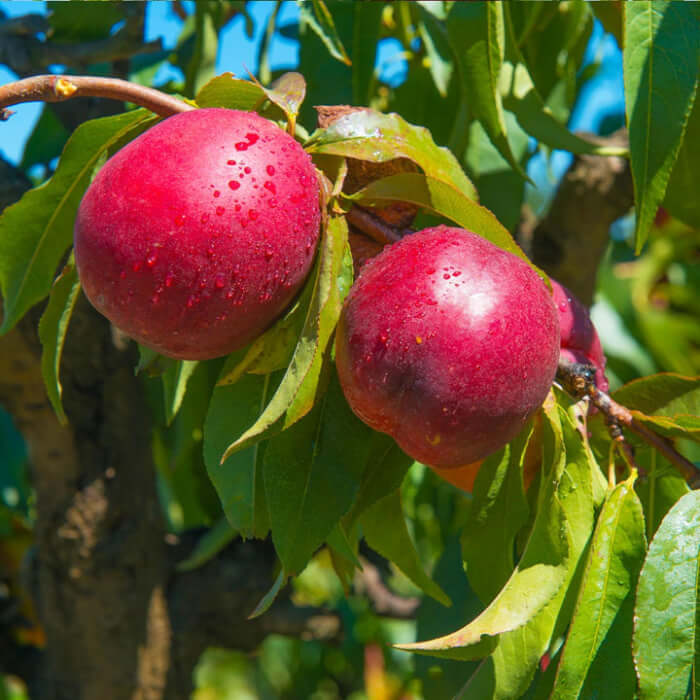
Nectarine is essentially a peach without the fuzzy skin, and I find it has mostly the same growing requirements that I have already mastered. I have learned that for the absolute best taste, I should leave the nectarines on the tree until they are fully ripe and slightly soft to the touch. I think this patience pays off with an intensity of flavor that store-bought fruit simply cannot match.
5. Cherry – My Cold-Climate Pollination Puzzle
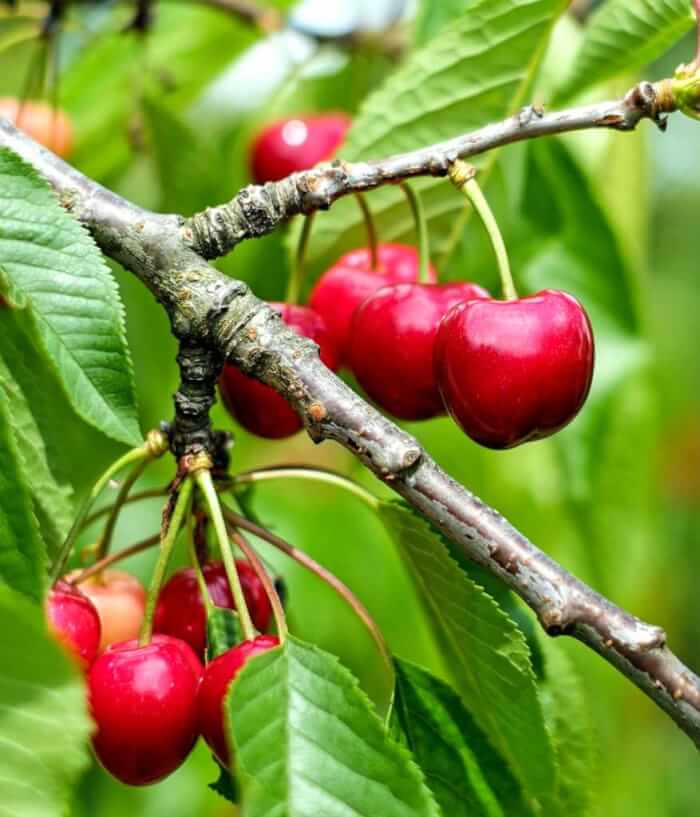
Cherry is a great tree for cold climates that I have grown successfully for years, though I did need to figure out the pollination requirements first. I find some cherry trees are self-pollinators that fruit happily alone, while others need a companion tree nearby to help with fertilization. I think this is a wonderful opportunity to plant two varieties and double your harvest potential.
6. Plum – My Wind-Sensitive but Worthy Harvest
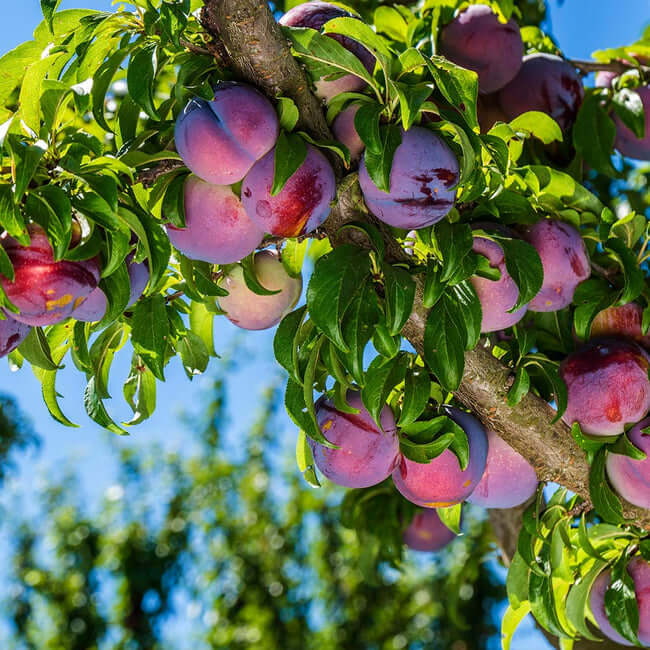
Plum is fairly easy to care for in my experience, though I do make sure to provide protection from cold winds and late frosts that can damage the tender blossoms. I love growing dwarf varieties in my backyard garden where they fit perfectly without overwhelming the space. I think the juicy, deep-purple harvest is one of the most satisfying rewards a cold-climate gardener can enjoy.
7. Apple – My Classic Cool-Climate Staple
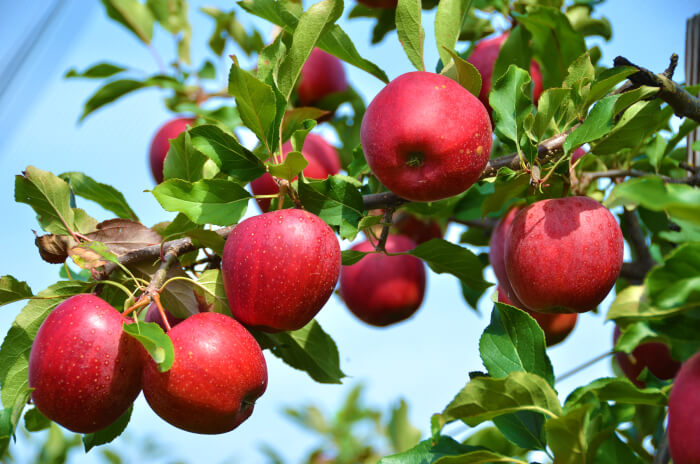
Apple is the classic cool-climate fruit tree that I believe every gardener should try at least once. I find self-pollinating varieties are perfect for limited spaces since you only need one tree to get a reliable crop. In my opinion, nothing beats the crunch of a freshly picked apple on a crisp autumn morning, and I think this tree is the ultimate choice for beginners and experts alike.