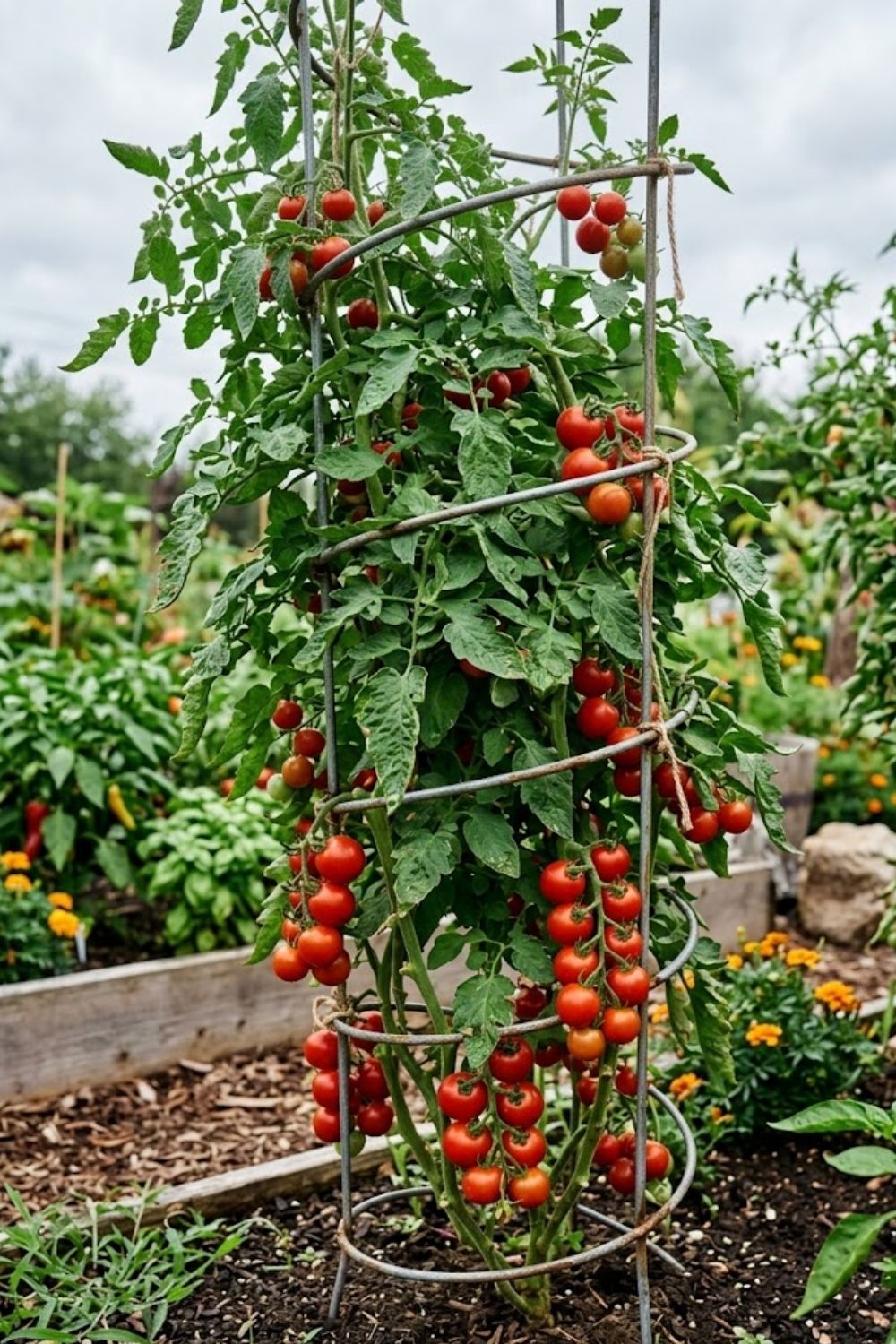
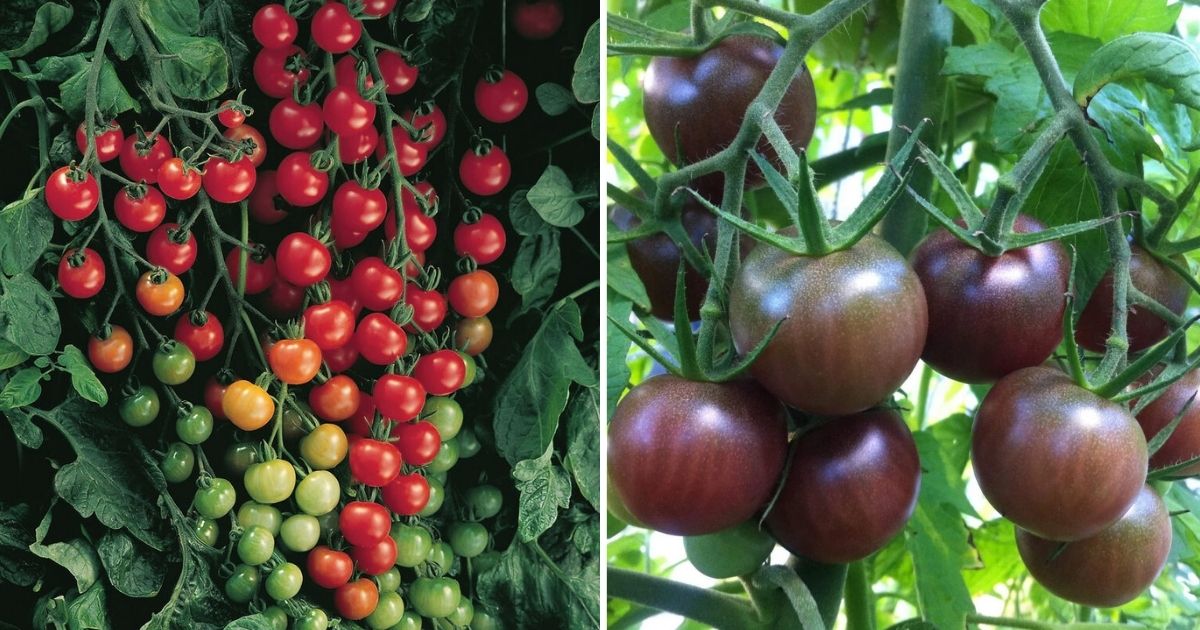
Is there anything more satisfying than stepping into your garden on a warm summer morning and plucking a perfectly ripe cherry tomato straight from the vine? That explosive burst of sweetness, the slight tang that makes your taste buds dance, the sun-warmed juiciness that no store-bought fruit could ever replicate—this is the magic that keeps me utterly obsessed with cherry tomatoes year after year.
What distinguishes a truly exceptional cherry tomato from a merely adequate one? In my experience, it comes down to complexity of flavor—that elusive balance between sweetness and acidity, the aromatic compounds that hit your nose before your tongue, and that indescribable “tomato-ness” that commercial breeding often sacrifices for shelf stability. The varieties I’ve selected here range from time-tested classics to exciting heirlooms that will challenge your preconceptions about what a tomato can taste like.
Whether you’re a seasoned grower looking to expand your repertoire or a newcomer taking your first tentative steps into vegetable gardening, I invite you to join me on this flavorful journey. Each variety in this list carries my personal annotations—growing tips, flavor profiles, and the specific moments when I reach for one over another. By the end, you’ll not only understand what makes each of these tomatoes special, but you’ll also have the knowledge to select the perfect varieties for your specific climate and growing conditions.
Cherry tomatoes occupy a unique position in the gardening world, bridging the gap between ornamental beauty and serious food production. I’ve come to view them as the gateway drug of vegetable gardening—once you’ve experienced the joy of harvesting your own sweet, sun-ripened fruit, there’s no turning back. The varieties listed below have been selected through years of obsessive experimentation and careful observation in kitchen gardens across multiple climate zones.
1. Sun Gold
Source: White Flower Farm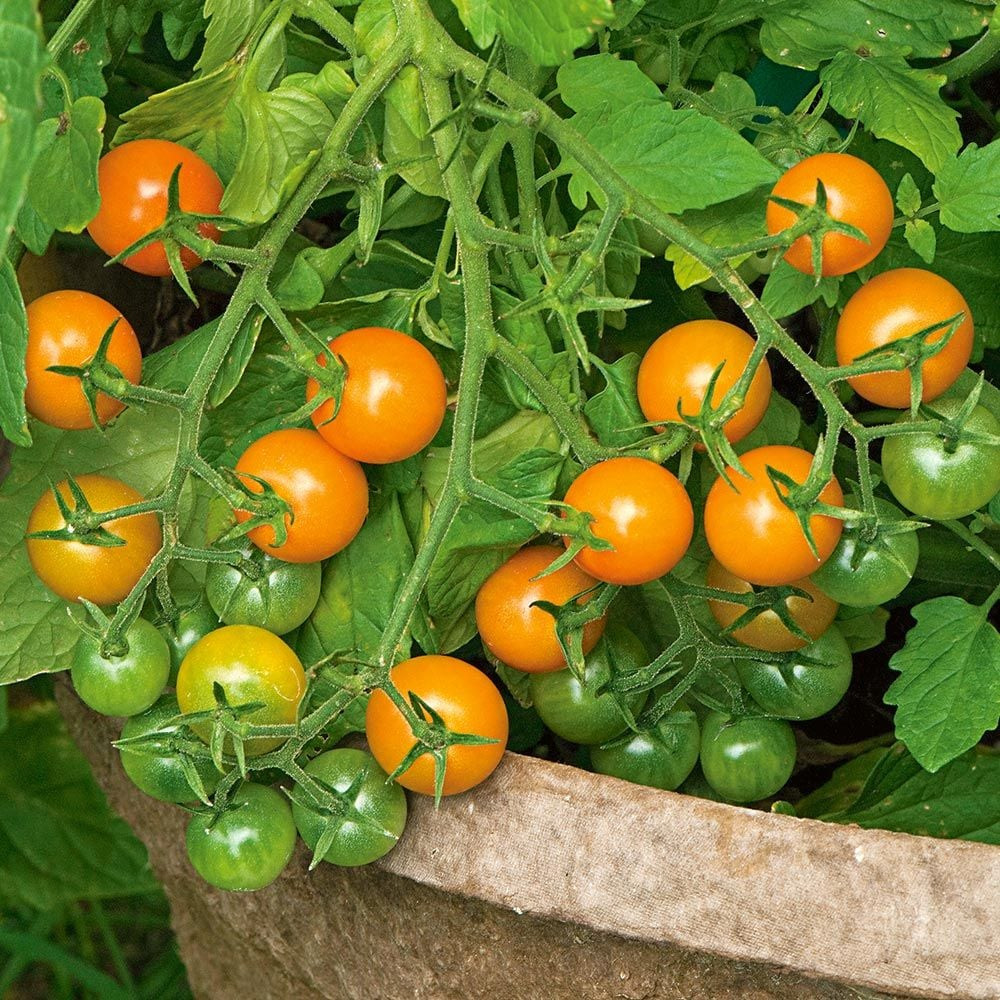
If I could only grow one cherry tomato for the rest of my life—a horrifying thought experiment I entertain during winter planning sessions—Sun Gold would be my immediate and unhesitating choice. This hybrid, developed in Japan and introduced to American gardeners in the early 1990s, has achieved near-mythical status among those who take their tomatoes seriously, and for good reason. The flavor profile is utterly distinctive: an intense, almost candy-like sweetness balanced by subtle tropical undertones that suggest pineapple and citrus more than traditional tomato. The golden-orange color, which deepens to almost amber when fully ripe, adds visual drama to any dish and signals to experienced gardeners that something special awaits.
2. Sweet 100
Source: Bonnie Plants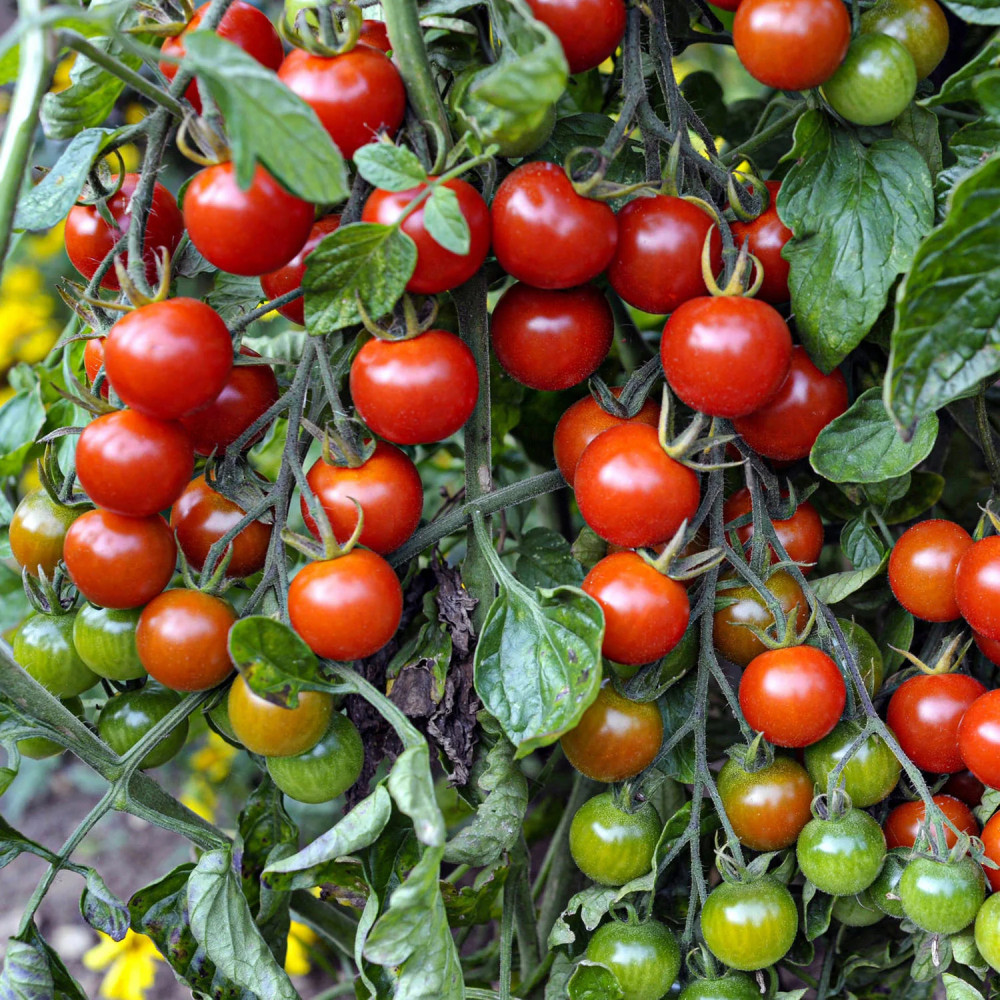
Sweet 100 represents the classic benchmark against which I measure all other red cherry tomatoes—a variety so consistently excellent that it has remained a staple in commercial and home gardens for decades despite the constant influx of new hybrids and heirlooms. The name, while marketing-friendly, actually understates the plant’s productivity; in optimal conditions, I’ve counted well over 100 fruits on a single cluster, with vines producing continuously until frost. The fruits themselves are smaller than many modern varieties, typically 1 inch in diameter, with a classic tomato-red color and glossy skin that splits only rarely if watering remains consistent.
3. Sungold Select II
Source: Miches Tomatenvielfalt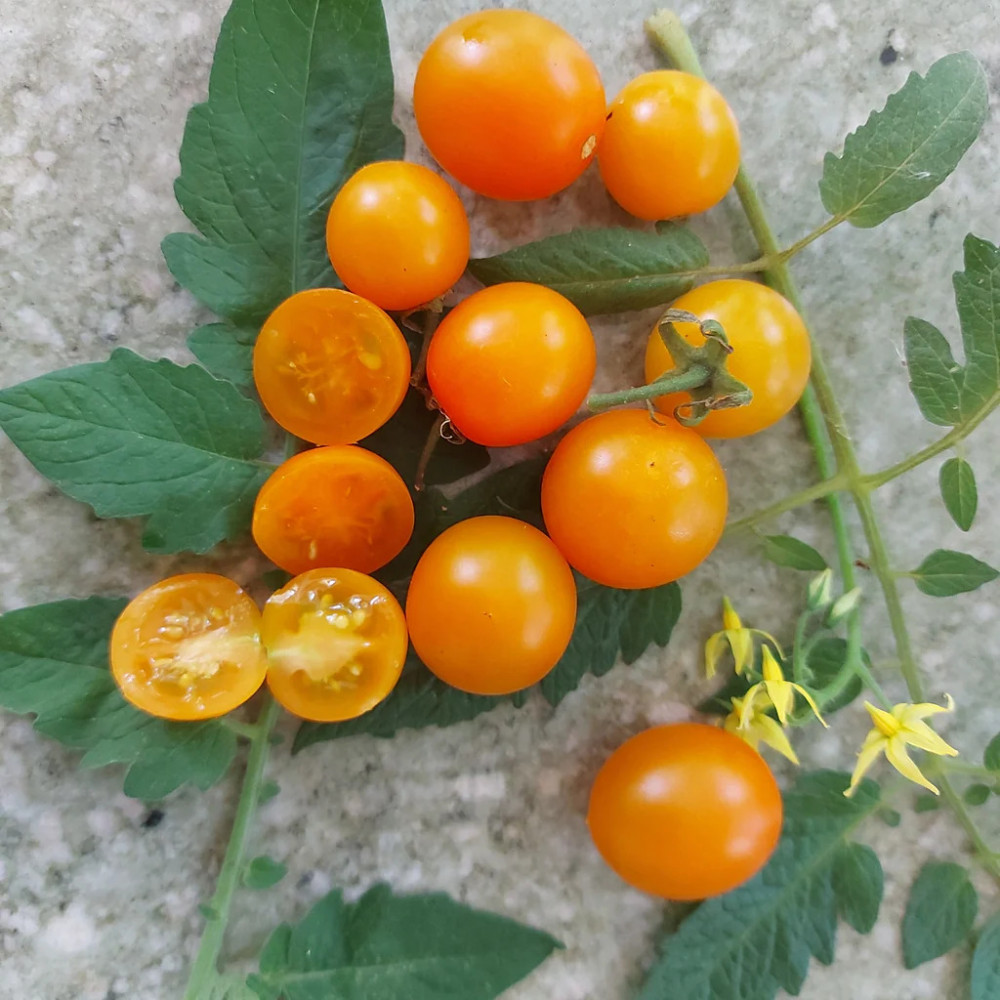
The original Sun Gold, for all its virtues, has one significant limitation for home gardeners: as an F1 hybrid, saved seeds won’t produce true-to-type offspring, forcing annual repurchase. Sungold Select II represents the open-pollinated solution to this dilemma—a stabilized version developed through careful selection that preserves most of the original’s exceptional qualities while allowing seed saving. In my trials, I’ve found the flavor remarkably close to its parent, though discerning palates might detect slightly less intensity in the tropical notes. What you gain, however, is fruit size—Select II tends toward slightly larger cherries, often 1.25 inches compared to Sun Gold’s 1 inch—and significantly improved disease resistance, particularly to fusarium and verticillium wilts that can devastate tomato plantings in warm, humid climates.
4. Black Cherry
Source: The Incredible Seed Company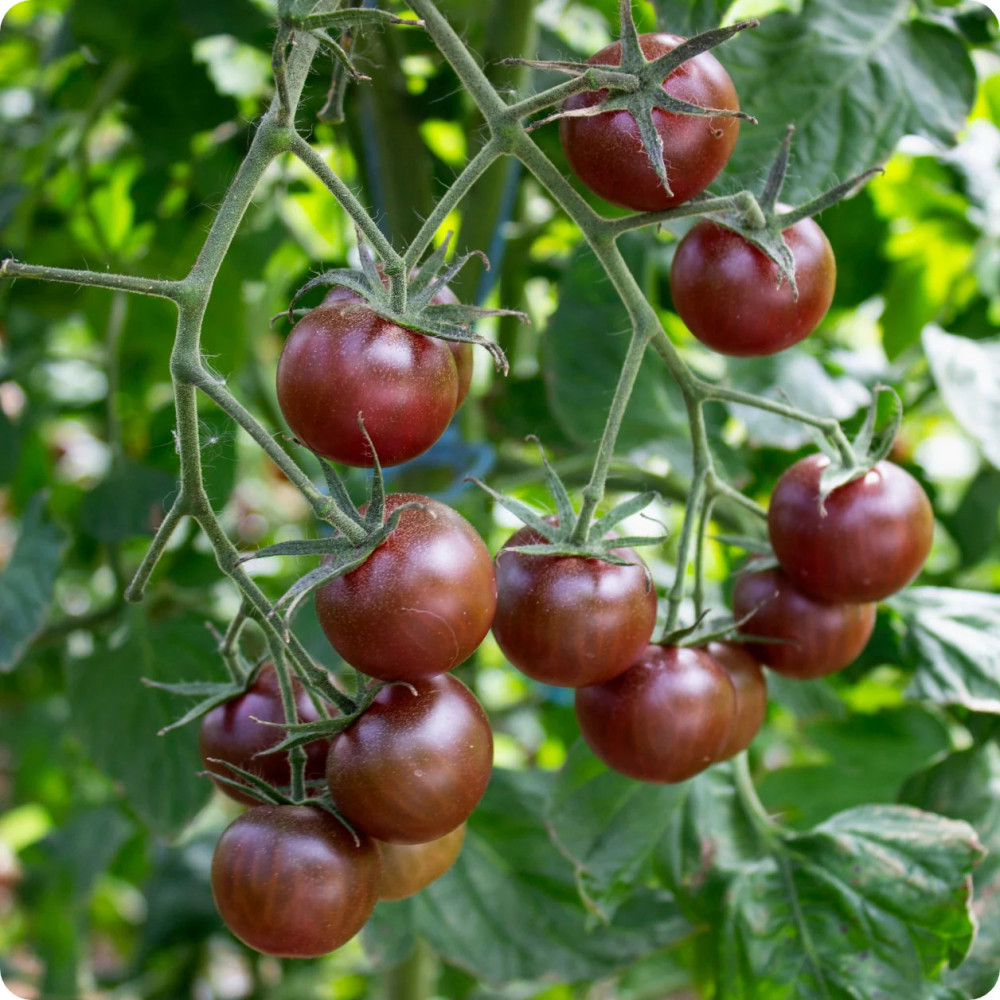
Black Cherry occupies a special place in my garden as the variety I reach for when I want to remind myself that tomatoes are, fundamentally, berries with complex flavor chemistry that industrial agriculture has largely forgotten. These small, round fruits—typically 1 inch in diameter—ripen to a deep, dusky purple-black with green shoulders that persist even at full maturity, creating a visual drama that stops garden visitors in their tracks. But the appearance, striking as it is, merely hints at the flavor experience within. The first bite reveals a depth and complexity that red cherries simply cannot match: rich, almost wine-like notes with a subtle smokiness that suggests slow roasting even when eaten raw, balanced by sufficient acidity to prevent the cloying sweetness that afflicts some dark varieties.
5. Sweet Million
Source: Home For The Harvest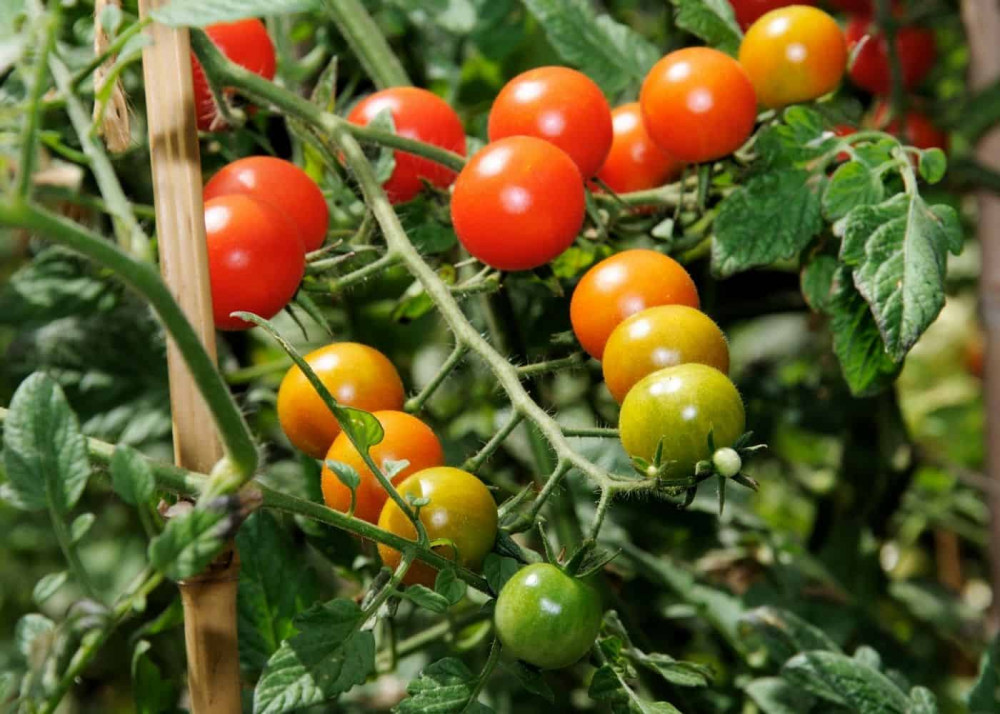
Sweet Million functions as the spiritual successor to Sweet 100, and in my garden, the two often serve as a comparison study in how subtle breeding changes can affect performance. The most immediately noticeable difference is cluster architecture—where Sweet 100 produces long, branching trusses that can become unwieldy, Sweet Million tends toward more compact, manageable clusters that simplify harvesting and reduce the risk of stem breakage under fruit load. The individual tomatoes are slightly larger, typically 1 inch in diameter, with a classic glossy red appearance and a flavor profile that emphasizes sweetness over complexity. In terms of productivity, the name is not hyperbole; I’ve recorded harvests exceeding 500 fruits per plant over a season in ideal conditions, making this an exceptional choice for gardeners prioritizing yield.
6. Juliet
Source: Jardin HQ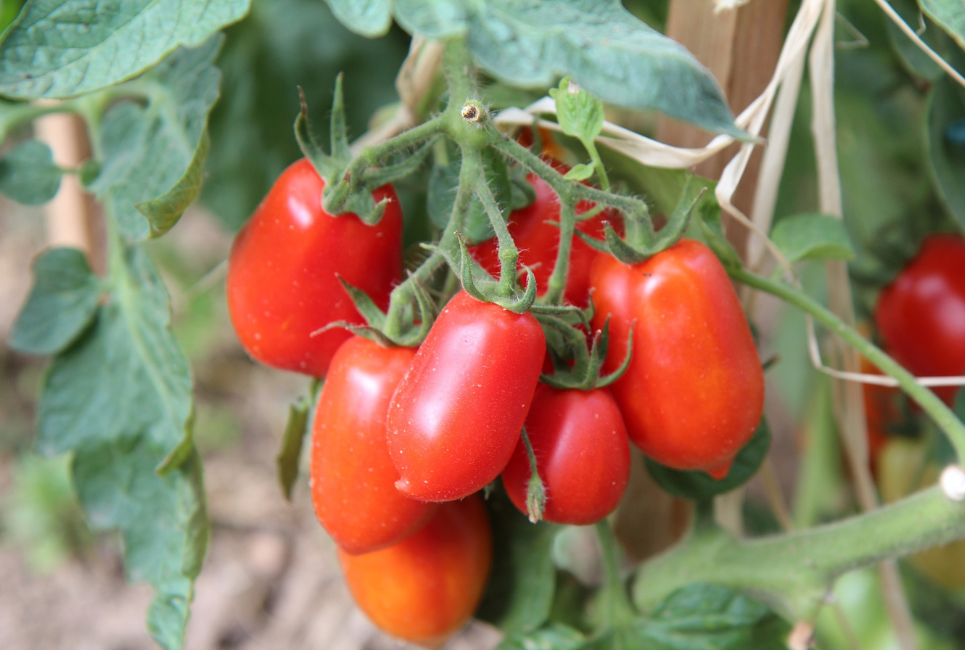
Juliet occupies a fascinating middle ground in the cherry tomato spectrum—technically a “grape” tomato due to its elongated, oval shape, but with flavor characteristics that place it firmly in the quality camp of true cherries rather than the often bland commercial grape varieties. Developed specifically for disease resistance and crack tolerance, this hybrid has become my go-to recommendation for gardeners in challenging climates where moisture fluctuations and fungal pressure make many varieties unreliable. The fruits, typically 2 inches long, ripen to a deep red with a firm texture that holds up remarkably well to handling, making them excellent candidates for market growers or anyone who needs to transport their harvest.
7. Chocolate Cherry
Source: Pesches Flowers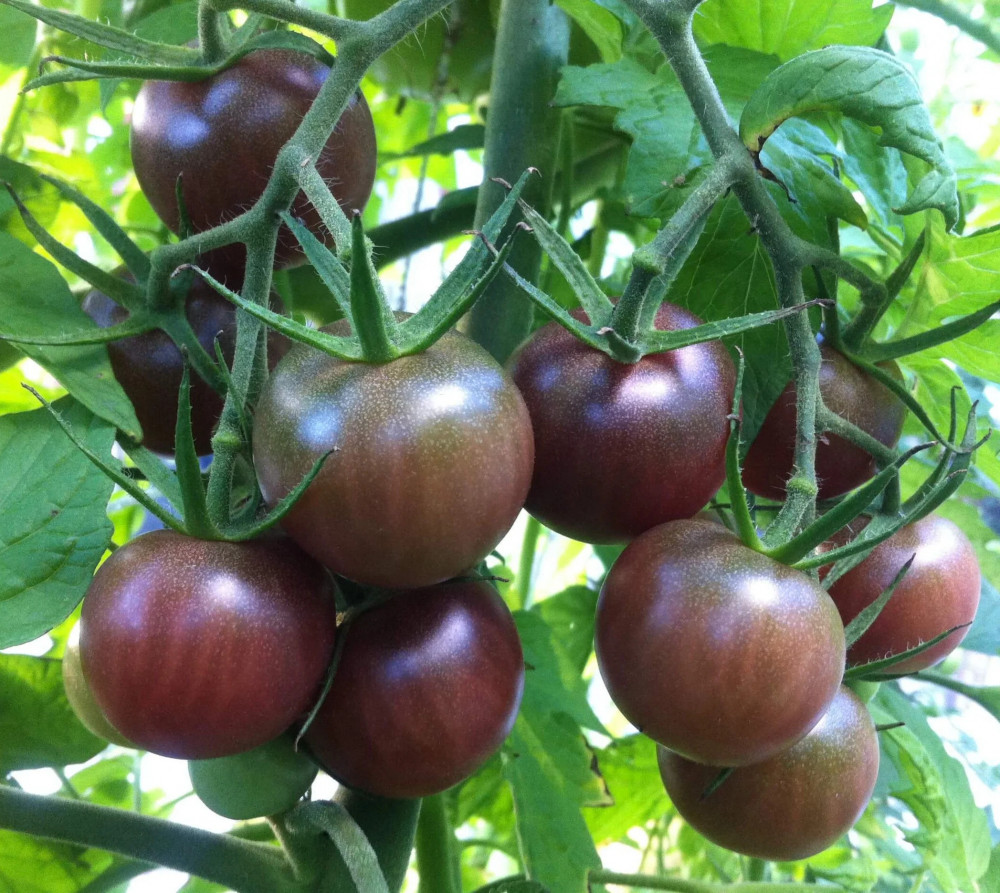
The naming of Chocolate Cherry represents either marketing genius or horticultural confusion, depending on your perspective—there is, of course, no actual chocolate flavor here, but the deep mahogany-brown color of the ripe fruits does evoke the appearance of fine dark chocolate, and the flavor carries a subtle richness that might, in generous interpretation, suggest cocoa’s complexity. What is undeniable is the quality of this heirloom variety, which has earned its place in my permanent collection through consistent performance and distinctive eating experience. The fruits are slightly larger than typical cherries, often approaching 1.5 inches, with a rounded shape and the characteristic dark coloration that indicates high anthocyanin content—those same antioxidants that make blueberries nutritional superstars.
8. Sugar Snack
Source: Totally Tomatoes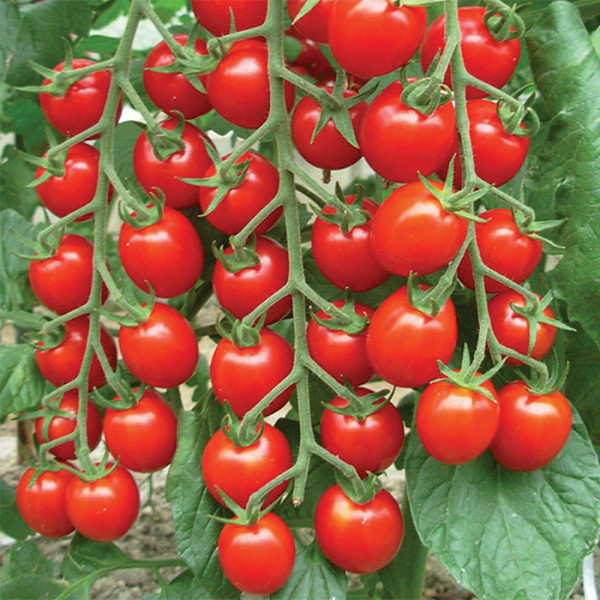
Sugar Snack delivers exactly what its name promises—a snacking experience so intensely sweet that it challenges the boundary between fruit and confection. This hybrid produces small, round fruits, typically 1 inch in diameter, with a remarkably crisp texture that provides satisfying bite resistance before giving way to juicy interior. In my garden, Sugar Snack has consistently tested at higher brix levels (sugar content) than nearly any other variety I’ve grown, often exceeding 10-11% at peak ripeness compared to the 6-7% typical of standard cherries. This sweetness comes with a trade-off—the flavor lacks the acidic complexity and subtle savory notes that make some varieties interesting for culinary use, but for pure snacking enjoyment, particularly for children or those with a pronounced sweet tooth, it’s unmatched.
9. Matt’s Wild Cherry
Source: Smart Seeds Emporium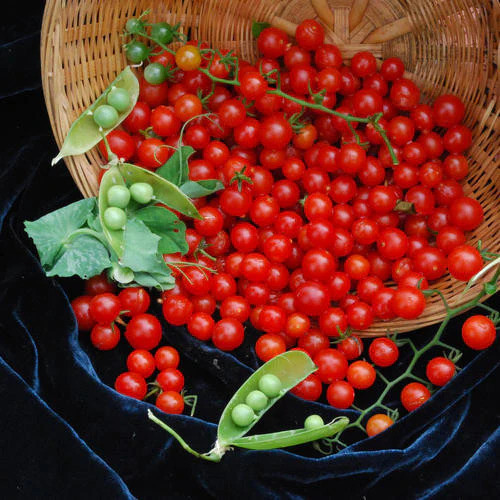
Matt’s Wild Cherry carries a romantic origin story that appeals to the seed saver and preservationist in me—seeds collected from wild plants growing in Mexico, passed among gardeners through seed exchanges, and eventually stabilized as an heirloom variety that offers a glimpse into tomatoes before domestication. The plants grow with a semi-wild habit that requires some accommodation—vines are rangy and enthusiastic, often reaching 8-10 feet if unsupported, with a tendency to drop branches that touch the ground and root at the nodes, creating a spreading colony if not managed. The fruits are tiny, typically ½ inch in diameter, borne in massive clusters that create a spectacular visual display and provide the “abundance” factor that justifies the space these plants require.
10. Gardener’s Delight
Source: D&H Seed Harvest Co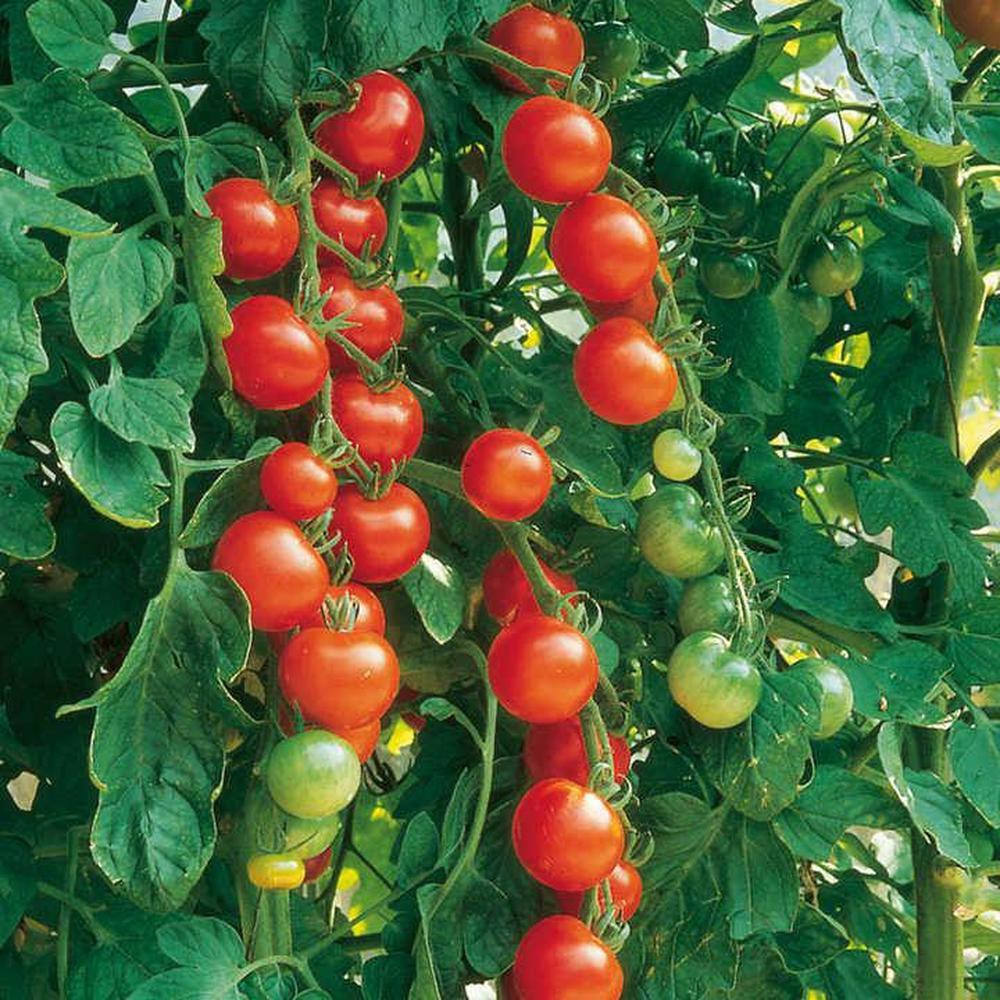
Gardener’s Delight, known as Sugar Lump in its native England, represents the European approach to cherry tomato breeding—prioritizing flavor complexity and texture over the sheer sugar content that dominates American hybrid development. This open-pollinated variety has been a staple in British allotments for generations, and my experience confirms that the reputation is well-earned. The fruits are small, typically 1 inch in diameter, with a slightly oblong shape that distinguishes them from perfectly round cherries, ripening to a bright, almost neon red that signals readiness. The flavor profile emphasizes what I can only describe as “classic tomato”—that perfect balance of sweetness and acidity that defines the ideal tomato experience in the popular imagination, with a subtle savory depth that suggests umami without the intensity of beefsteak varieties.
11. Red Currant
Source: Dobies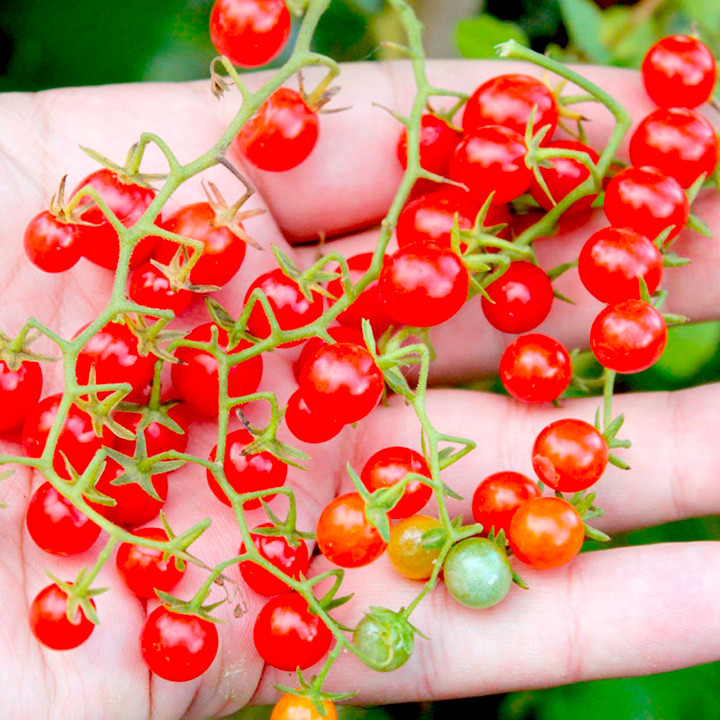
Red Currant tomato challenges conventional definitions of what constitutes a “cherry” tomato—the fruits are so diminutive, typically ¼ inch in diameter, that they resemble actual currant berries more than anything typically marketed as a tomato. This is the variety I grow when I want to push the boundaries of what’s possible, to demonstrate to visitors that tomatoes can exist at scales they never imagined. The plants themselves are delicate, with fine, almost fern-like foliage and a sprawling habit that benefits from elevation—I’ve had excellent results growing these in hanging baskets where the cascading vines create a waterfall of tiny red fruits. Flavor-wise, the intensity is remarkable given the size; these pack a full tomato flavor experience into a package that requires multiple fruits per bite, creating a unique textural and taste experience that I’ve come to associate with special occasions and garnishing.
12. Supersweet 100
Source: Johnny’s Selected Seeds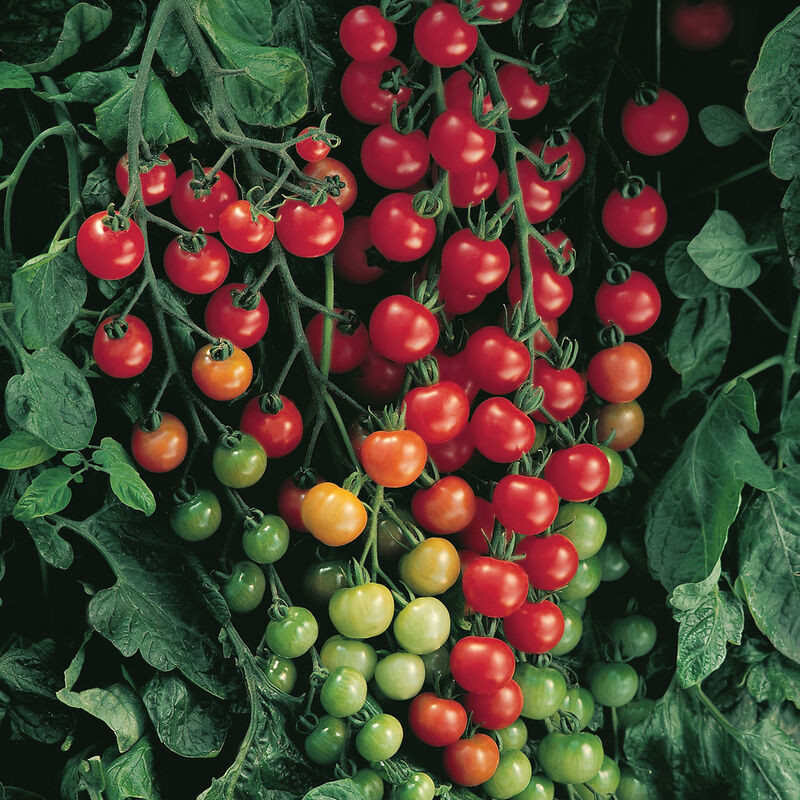
Supersweet 100 represents the logical evolution of the Sweet 100 lineage, pushing sugar content to extremes that approach the upper limits of what’s possible in tomato genetics. In my brix testing, this variety consistently measures 12-14% sugar content at peak ripeness—levels that place it in the same category as many fruits we conventionally consider sweet, like melons or grapes. This isn’t subtle sweetness; it’s an immediate, unmistakable candy-like experience that makes these tomatoes genuinely suitable as dessert alternatives for those watching sugar intake but seeking sweet satisfaction. The trade-off, and it’s one that gardeners need to consider seriously, is that the intense sweetness crowds out much of the acidic complexity and savory depth that make tomatoes interesting for culinary applications.
13. Sweet Chelsea
Source: Seaway Farms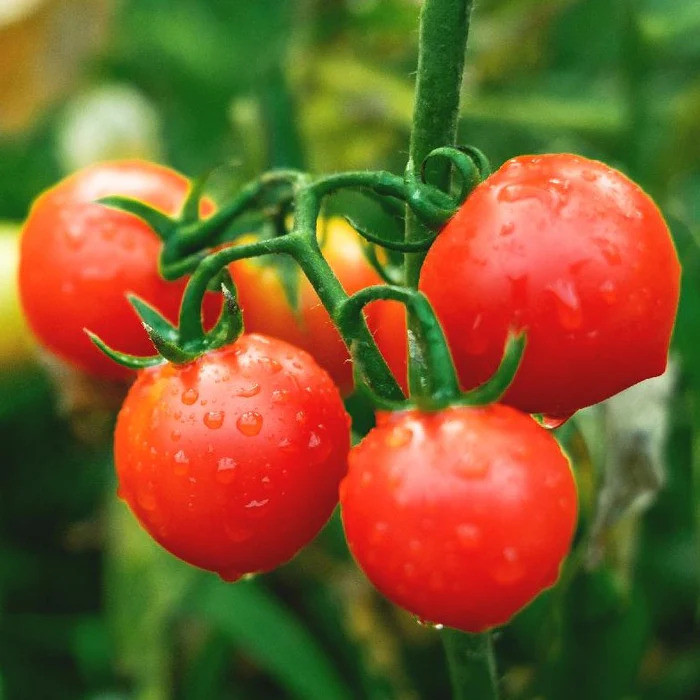
Sweet Chelsea emerged from my trials as the variety I recommend when fellow gardeners describe their struggles with disease pressure, particularly in the humid southeastern United States where tomatoes can seem like an exercise in futility. This hybrid was developed specifically with disease resistance as a primary breeding goal, incorporating resistance to verticillium wilt, fusarium wilt races 1 and 2, nematodes, and tobacco mosaic virus—a comprehensive package that allows plants to focus energy on fruit production rather than defense. But Sweet Chelsea is no mere utilitarian choice; the flavor profile demonstrates that disease resistance and eating quality need not be mutually exclusive. The fruits are small, typically 1 inch in diameter, with a balanced flavor that offers sufficient sweetness for snacking pleasure while maintaining enough acidity to keep the palate engaged.
14. Honeybunch Red Grape
Source: Great Day Gardens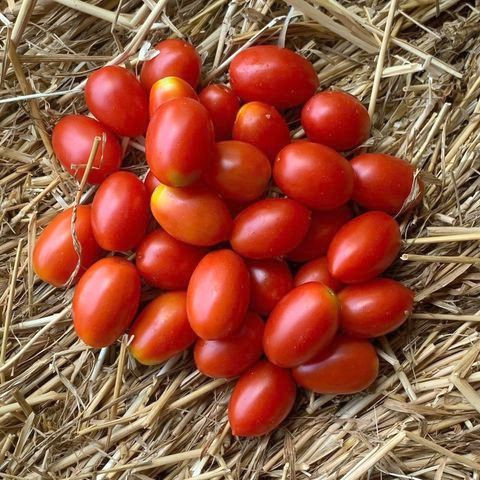
Honeybunch Red Grape exemplifies the “grape tomato” category at its best, offering the elongated shape and firm texture that make commercial grape tomatoes so popular for packing and transport, but with a flavor profile that puts those supermarket offerings to shame. The fruits are typically 1.5-2 inches long, ripening to a deep, uniform red with a glossy finish that indicates peak freshness. What distinguishes this variety in my experience is the texture—there’s a distinct snap when you bite through the skin, followed by a burst of juice that creates a genuinely refreshing eating experience, particularly welcome during hot summer days when heavier, meal-like snacks seem unappealing. The flavor balances sweetness with a pleasant tanginess that keeps the palate alert, avoiding the one-dimensional sweetness that can make some snacking tomatoes cloying after the first few fruits.
15. Jasper
Source: Johnny’s Selected Seeds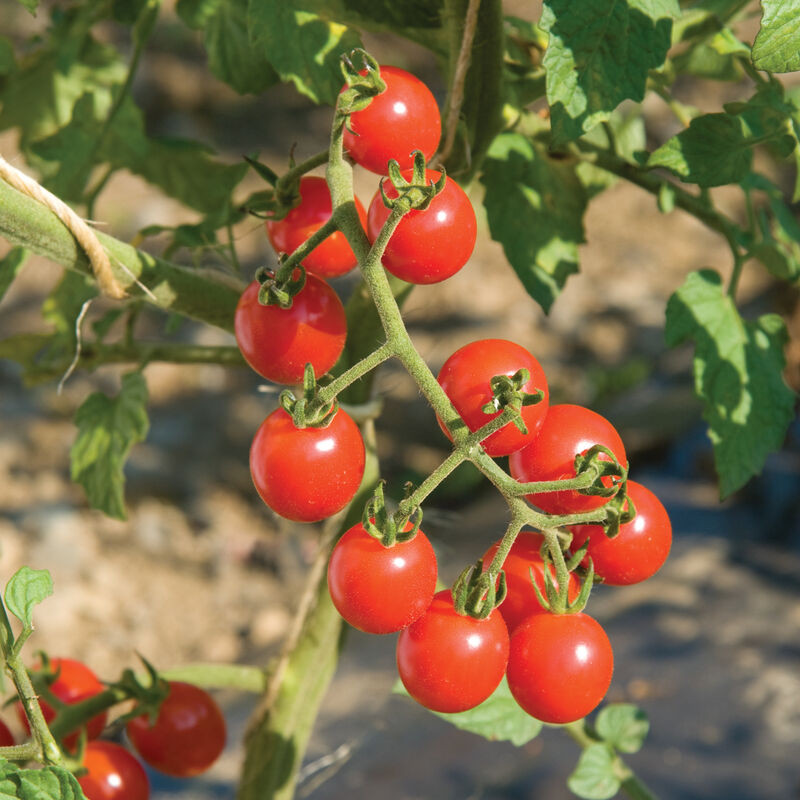
Jasper solved a specific problem in my garden that had plagued me for years: the tendency of ripe cherry tomatoes to crack after rain, rendering beautiful fruits unsuitable for market or storage within hours of achieving perfect ripeness. This hybrid was developed with crack resistance as a primary characteristic, incorporating thicker skin and more flexible fruit walls that accommodate sudden water uptake without splitting. The result is a variety that maintains pristine appearance through weather fluctuations that would devastate thinner-skinned varieties, making it invaluable for gardeners in unpredictable climates or those who can’t provide the consistent irrigation that prevents cracking in more delicate types. The flavor doesn’t suffer for this durability—Jasper offers a bright, tangy-sweet profile with enough acidity to keep things interesting, and the texture, while firmer than some thin-skinned heirlooms, remains pleasant for fresh eating.
16. Indigo Rose
Source: Tomato Bible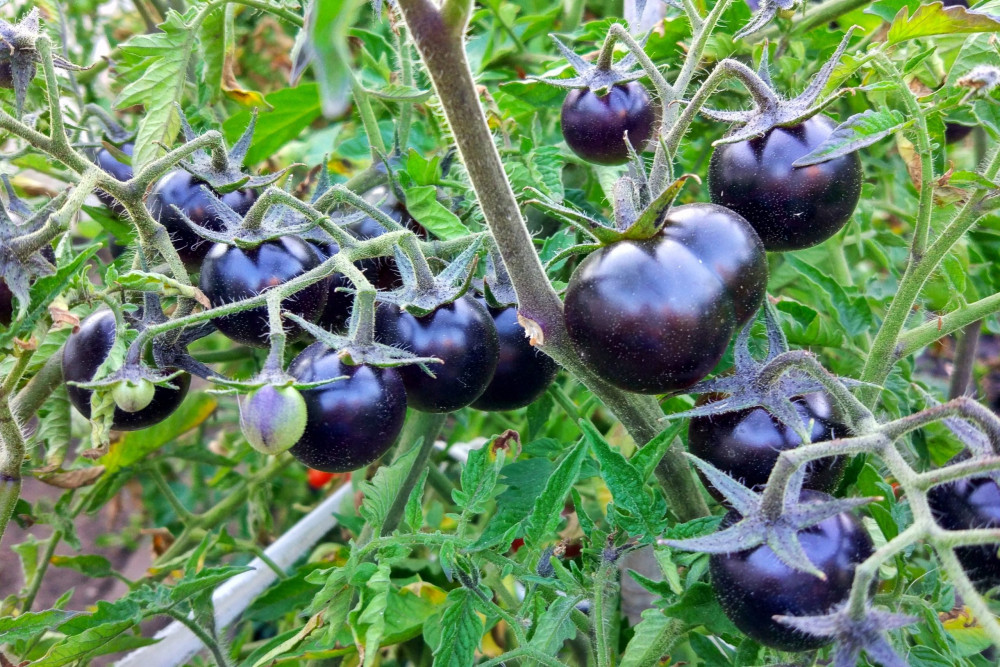
Indigo Rose stands as the most visually arresting variety in this collection, a testament to the potential for tomatoes to transcend their humble reputation and enter the realm of ornamental edibles. Developed at Oregon State University specifically to incorporate high levels of anthocyanins—the purple pigments also found in blueberries and blackberries—this variety produces fruits that ripen to a deep, almost black purple on sun-exposed surfaces, with the shaded underside developing to a more conventional red. The effect is stunning, particularly when fruits are halved to reveal the contrast between dark skin and crimson interior. Beyond the visual appeal, Indigo Rose offers genuine nutritional distinction; the anthocyanins that create the color are potent antioxidants with documented health benefits, making this as functional as it is beautiful. The flavor, in my experience, is good though not exceptional—tangy with moderate sweetness, suitable for snacking and salads but not reaching the heights of Sun Gold or Black Cherry in terms of complexity. The plants are indeterminate and moderately productive, with the interesting characteristic that fruits must receive direct sunlight to develop the full purple coloration—shaded fruits remain green or red, creating a multicolored display on the vine. I grow Indigo Rose primarily for its conversation value and visual impact in mixed salads, but also as a way to introduce antioxidant-rich purple foods into my diet in a form that’s more appealing than many conventional “health foods.” For the gardener who values novelty, nutrition, and the sheer joy of growing something that looks like it belongs in a fantasy novel, Indigo Rose offers an experience that no other tomato can match.
As you contemplate which of these exceptional varieties to welcome into your garden, I encourage you to consider not just flavor descriptions but the broader context of your growing conditions, culinary habits, and gardening philosophy. Over my years of obsessive tomato cultivation, I’ve learned that the “best” variety is deeply personal—it depends on your climate, your soil, your available time for maintenance, and most importantly, what you actually do with the harvest. If you primarily snack while gardening, the ultra-sweet hybrids like Supersweet 100 or Sugar Snack will serve you well. If you’re a cook who values versatility, Juliet or Honeybunch Red Grape offer the texture and balance that translate across preparations. If you’re building a self-sustaining garden, open-pollinated options like Sungold Select II or Matt’s Wild Cherry allow seed saving and adaptation to your specific conditions. The beauty of cherry tomatoes lies in their diversity; there’s no need to choose just one. I typically grow 6-8 varieties each season, creating a spectrum of flavors, colors, and uses that ensures no two garden visits are the same. Start with two or three that speak to your priorities, observe how they perform in your specific conditions, and let your collection evolve through seasons of delicious experimentation. The perfect tomato for your garden is out there—and half the joy is in the searching.