Some trees take many years to grow, but fast-growing trees increase height significantly every year. In ten years, the fastest-growing trees can reach at least 25 feet from 10 feet tall. If you want shade or privacy for your landscape, a fast-growing tree could be perfect for your needs.
Here are some trees that can provide shade in your yard with moderate and fast growth rates. Take a look and see which one fits your space! These selections balance speed with manageability for home garden landscapes.
#1. Japanese flowering cherry
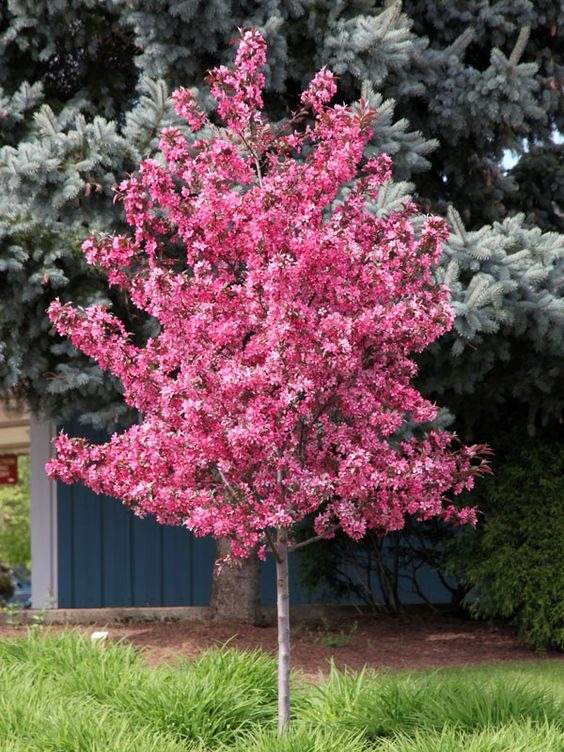
Japanese flowering cherry grows approximately one foot per year at a moderate pace. It produces beautiful white to pink flowers in spring before foliage emerges. The small black fruits attract birds but are not edible for humans.
#2. Japanese Angelica
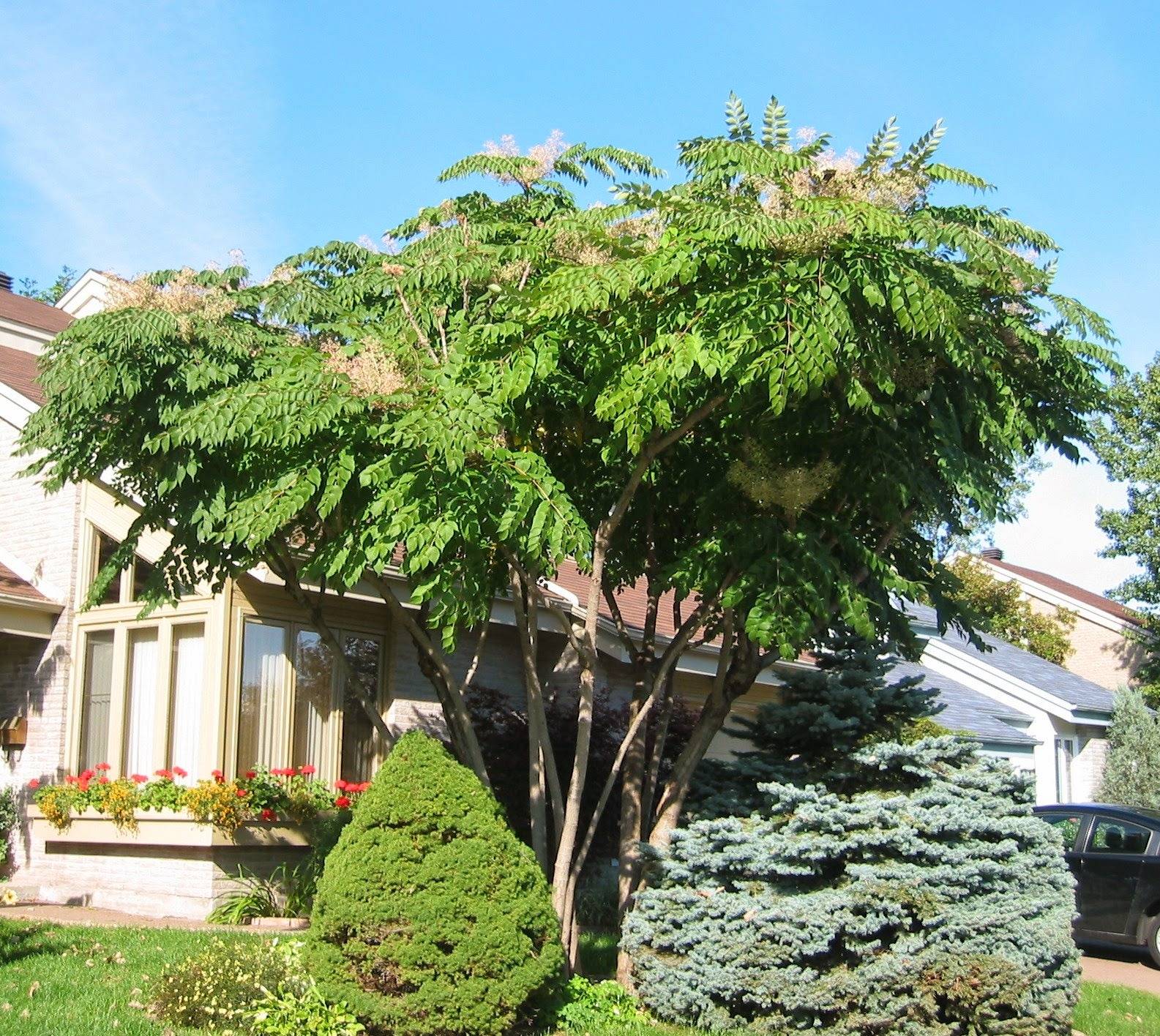
Japanese angelica tree grows rapidly between 12 to 40 feet tall depending on conditions. It can become invasive in many regions by spreading through seeds. Promptly remove saplings to prevent unwanted spread in your garden area.
#3. Weeping Willow
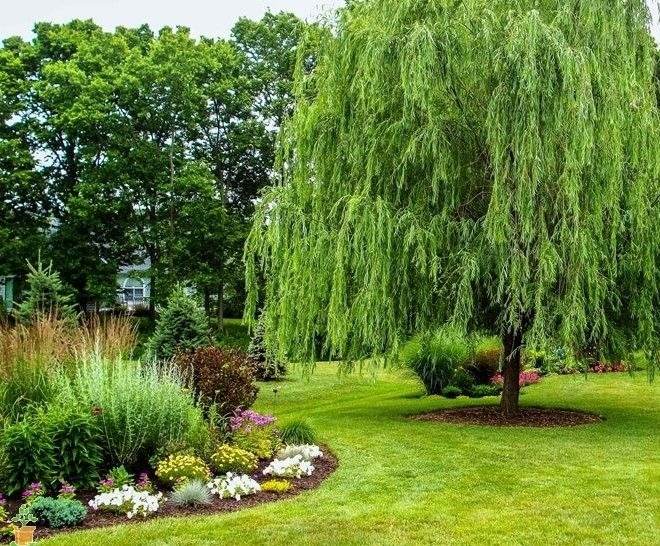
Weeping willow grows over two feet every year with beautiful cascading branches. It needs a large amount of space and plenty of water to thrive. The shallow roots can invade sewer lines and water systems easily.
#4. Honey Locust
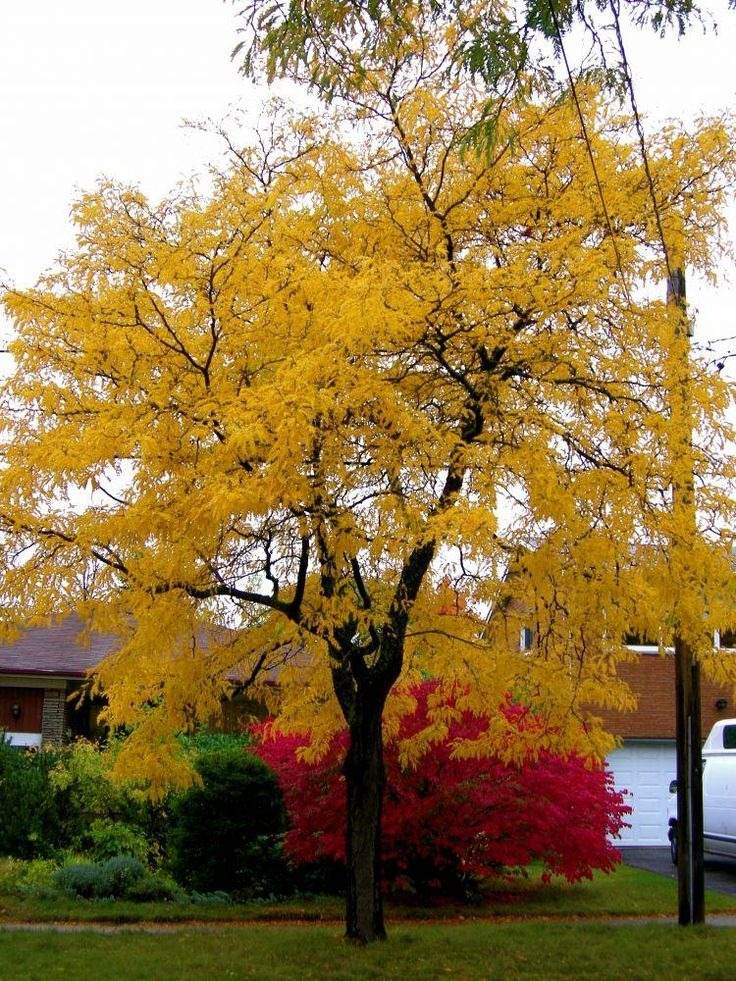
Honey locust grows over two feet per year with tolerance for drought and wind. It thrives in different soil types and provides filtered shade underneath. Choose thornless, fruitless cultivars for easier maintenance in home landscape gardens.
#5. Arborvitae
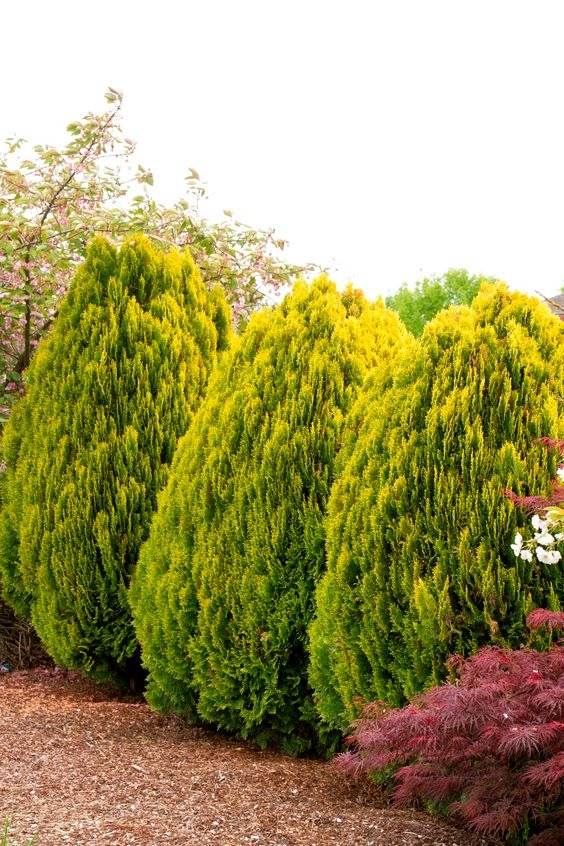
Arborvitae grows 3 to 4 feet per year in a tall and slim evergreen form. It works perfectly for hedges, screens, and windbreaks in narrow spaces. Some varieties can reach 70 feet or more at maturity.
#6. Dawn Redwood
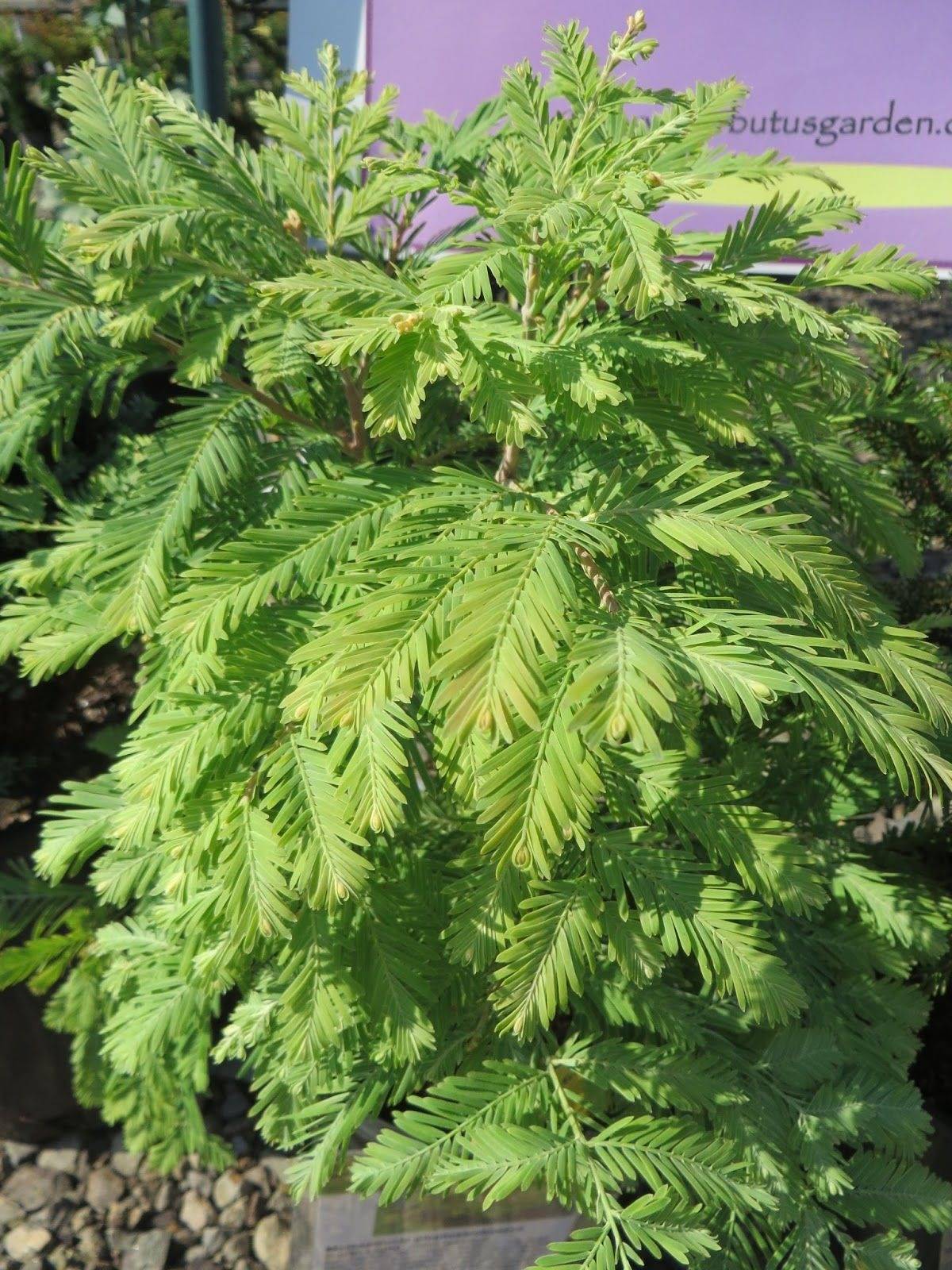
Dawn redwood grows 2-3 feet each year with a distinctive pyramid shape. It needs full sun and consistently moist soil to thrive properly. This deciduous conifer turns copper-brown in autumn before dropping its needles.
#7. Leyland Cypress
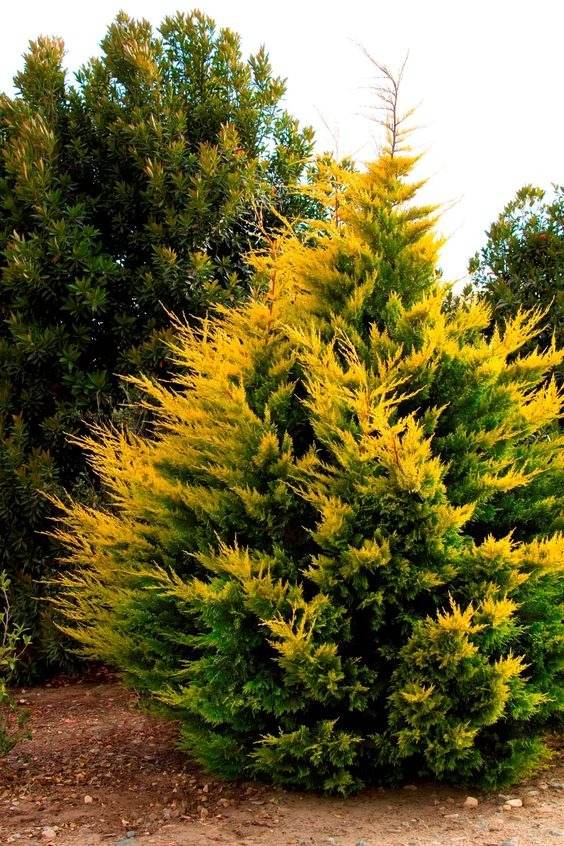
Leyland cypress grows up to three feet per year for quick screening purposes. It is hardy and rarely attacked by serious pests or diseases. Use it for hedges and windbreaks with proper spacing between trees.
#8. Empress Tree
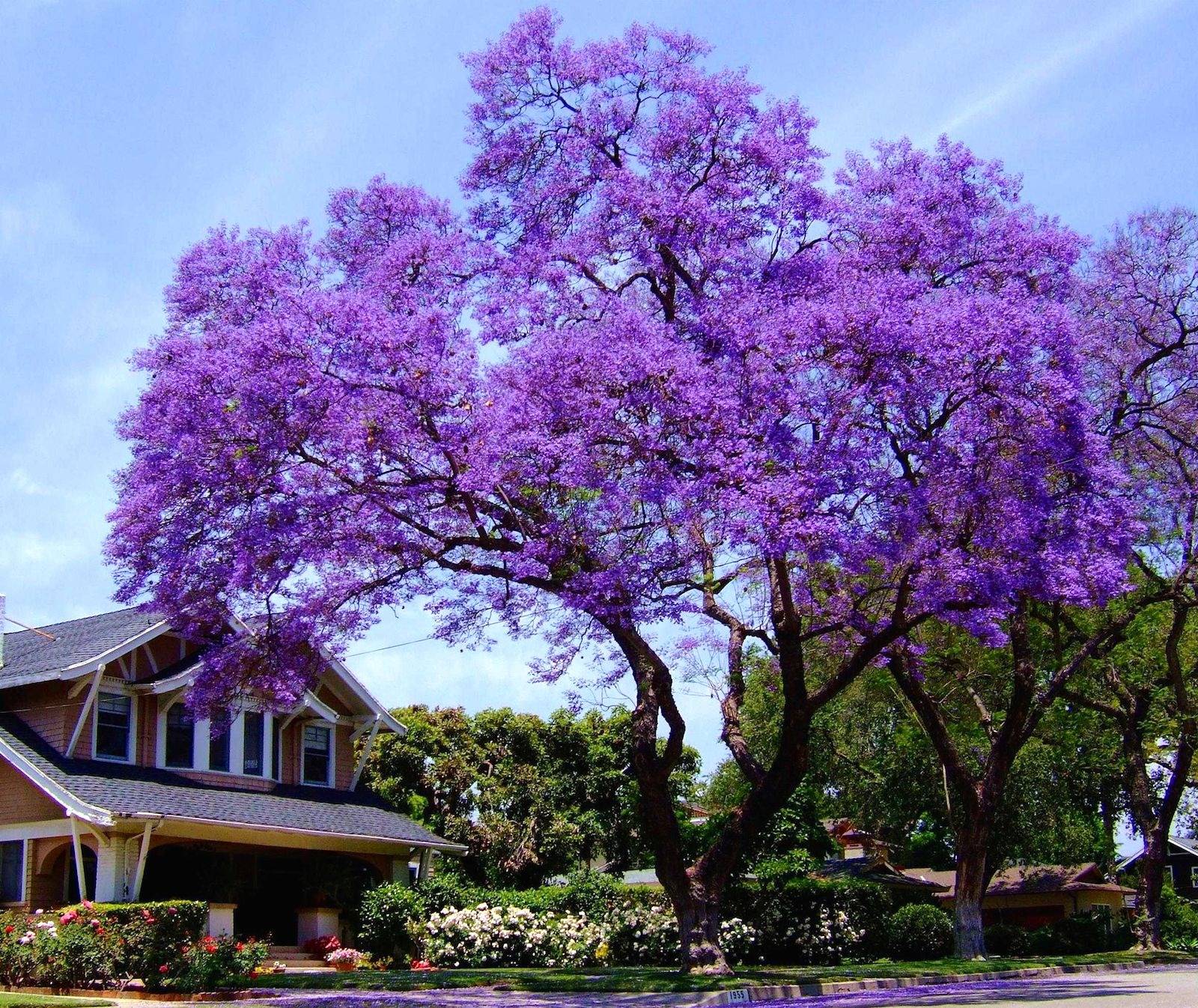
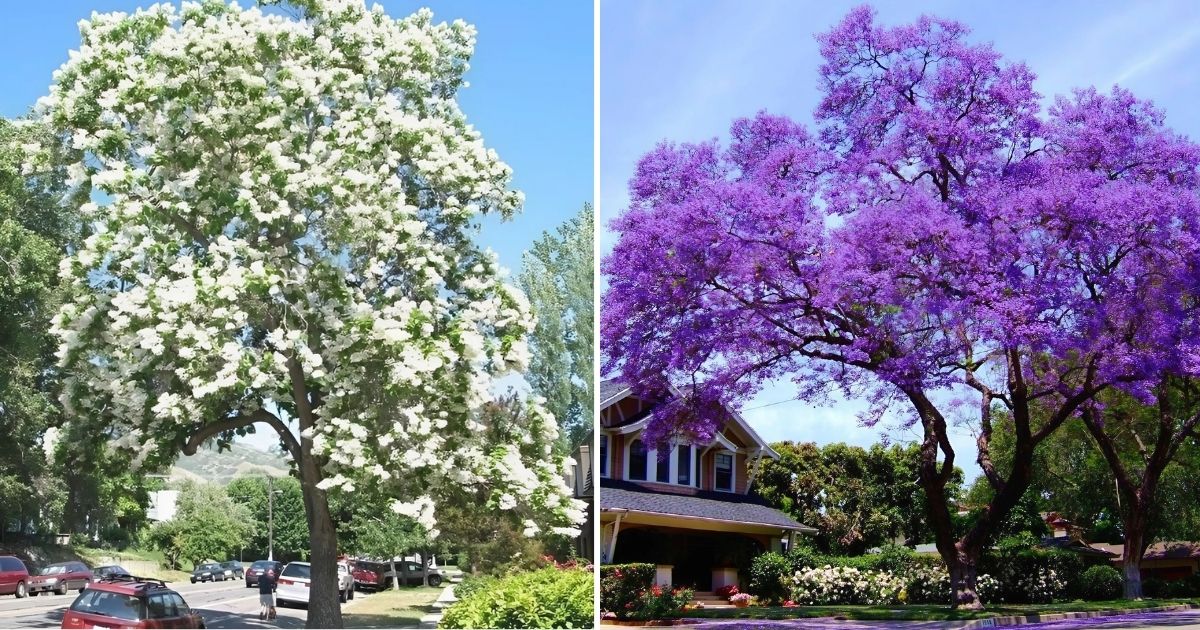
Empress tree grows an astonishing 15 feet annually under ideal conditions. It can reach more than 100 feet in just 10 years time. The mature height ranges from 30 to 40 feet with weak wood structure.
#9. Northern Catalpa
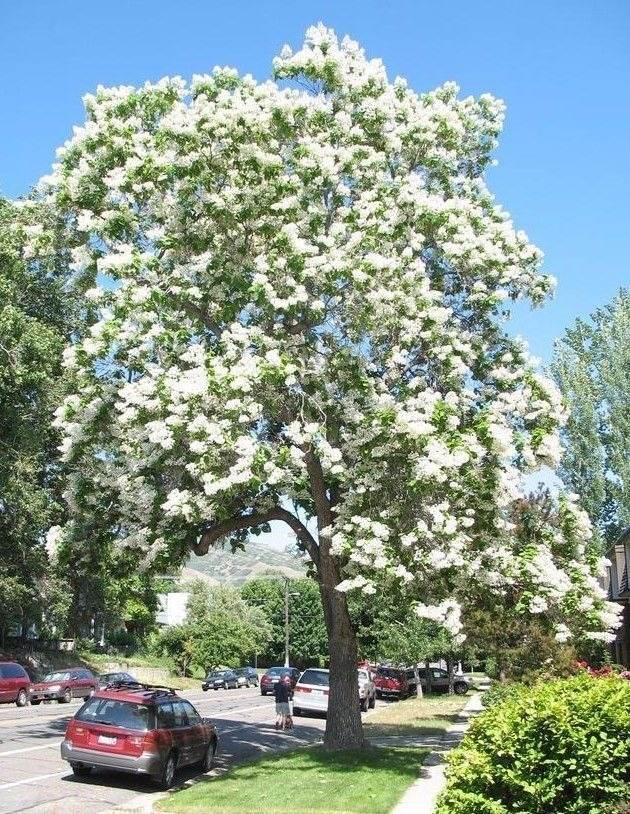
Northern catalpa grows 1 to 2 feet per year with great shade coverage. It thrives under urban conditions with pollution and compacted soils. The tree features beautiful white flowers and distinctive long seed pods.
#10. Northern Red Oak
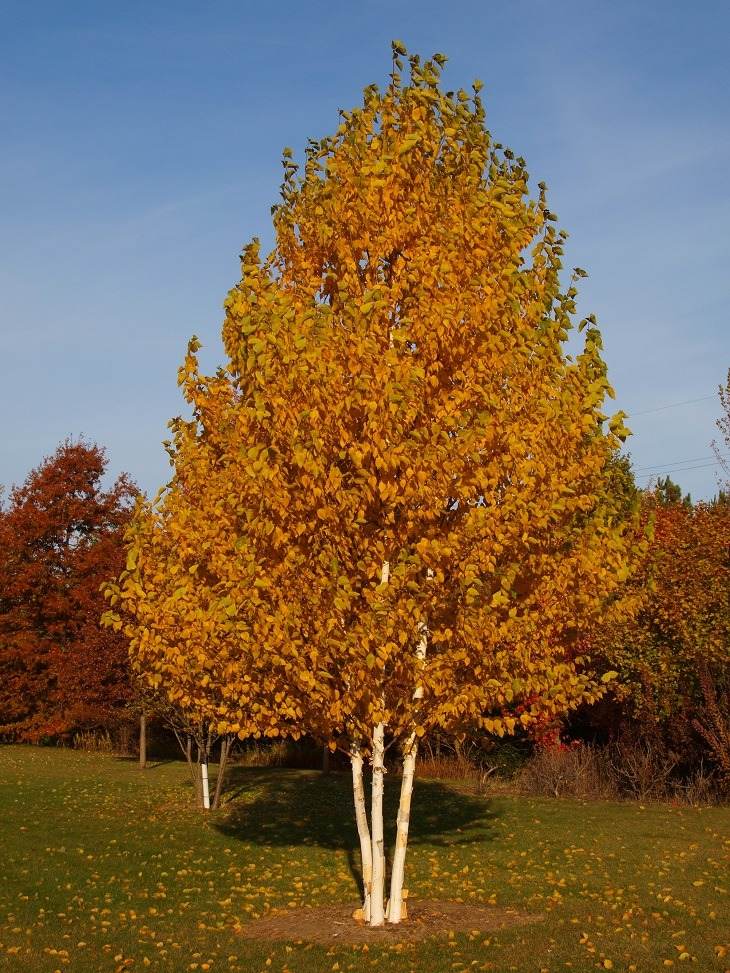
Northern red oak grows roughly 2 feet each year with strong, durable wood. It reaches up to 75 feet tall with beautiful scarlet fall foliage. This native Midwest tree provides excellent shade and wildlife habitat.
#11. Pin Oak
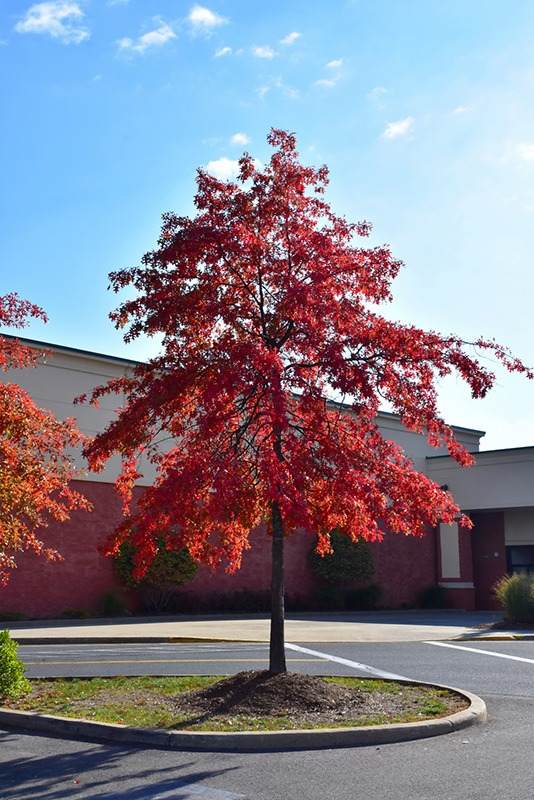
Pin oak grows 2 to 3 feet a year in moist, acidic soil conditions. It survives heat, air pollution, and damp soils very well. The tree needs full sun exposure for healthy development and growth.
#12. Red Maple Tree
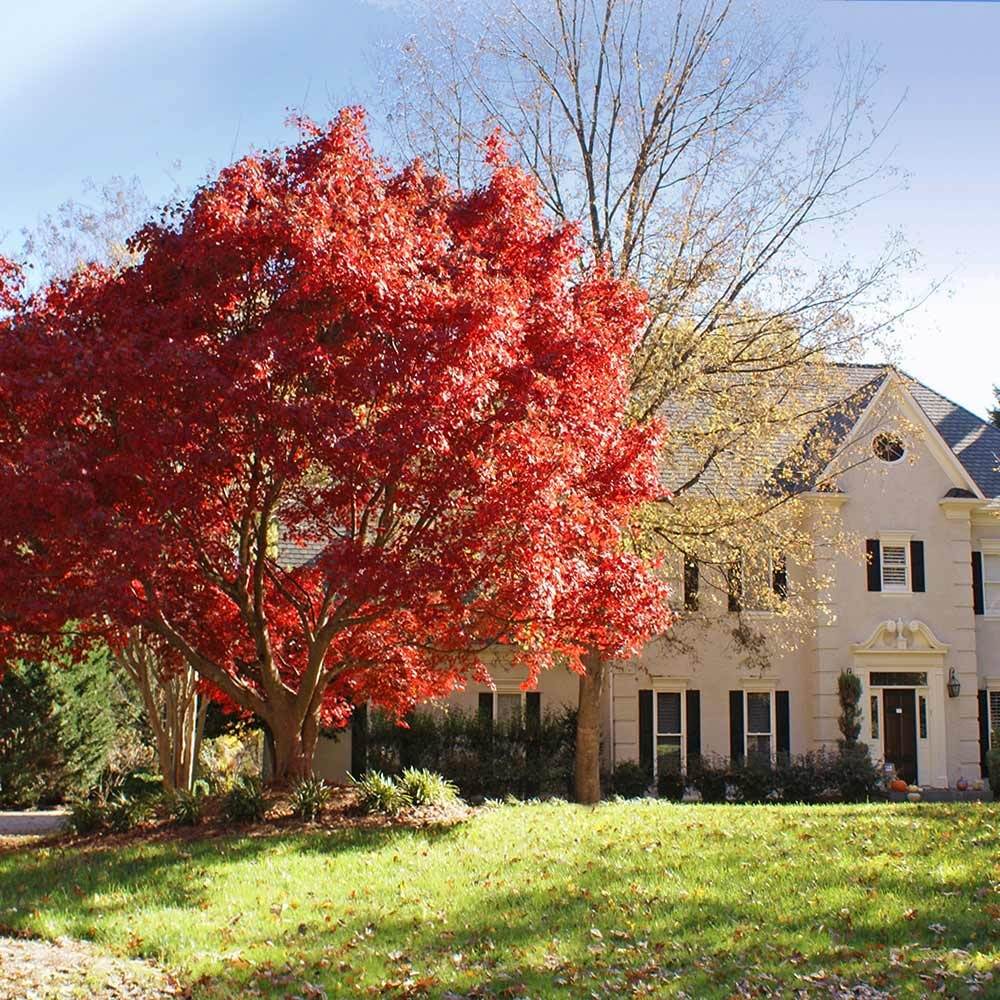
Red maple grows 12-18 inches per year as a native North American tree. It displays beautiful red foliage in autumn with grayish-brown bark. Choose improved cultivars for reliable color and stronger branch structure.
#13. Silver Maple Tree
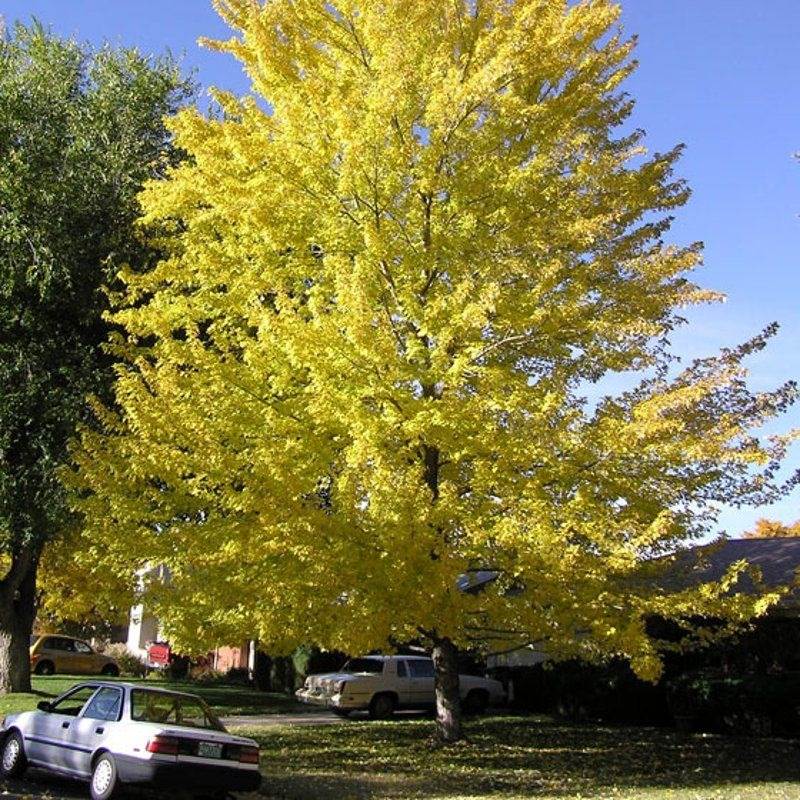
Silver maple grows 2 feet every year with distinctive shaggy bark texture. It reaches 50 to 100 feet tall with silvery leaf undersides. The aggressive roots and weak wood require careful site selection.
#14. Tulip Poplar Tree
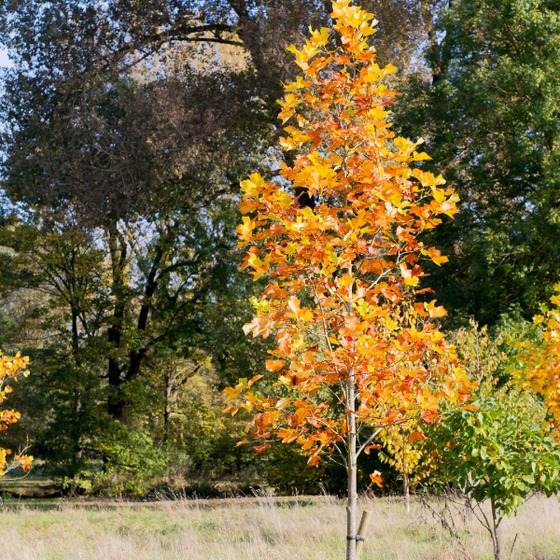
Tulip poplar grows 12 to 18 inches every year despite its name. It produces yellow, green, and orange flowers in late spring. The tree needs full sun and well-drained soil for best performance.
#15. Quaking Aspen Tree
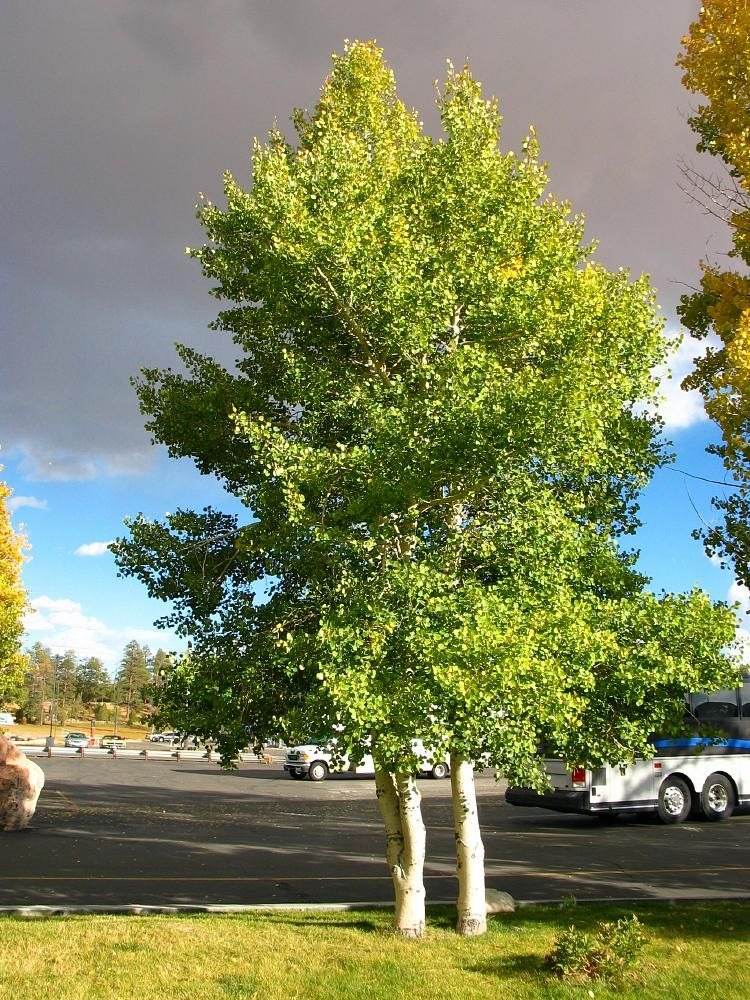
Quaking aspen features beautiful yellow foliage in autumn with trembling leaves. It provides shade and attracts wildlife to your backyard design. The fast growth creates lovely movement and sound in wind.
Fast-growing trees may not be as sturdy as slower-growing trees. Their limbs may be more prone to breaking in storms. Growth rate may necessitate more thorough trimming to control size and shape. To find out more about tree care tips and garden landscaping design ideas, don’t forget to subscribe to our website.