Chemical garden fertilizers can cause harm to humans and wreak havoc on the soil. Luckily, there are organic alternatives, and you can find some of them right in your houses such as banana shells, eggshells, coffee grounds, and more.
All of them contain essential nutrients for your plants that you can use as a natural plant fertilizer to keep your plants healthy and thriving. In the post today, we will write about them to help you can take advantage of them and turn them into organic fertilizers to boost the process growth of your crops.
These natural houseplant fertilizers are highly rich in potassium, nitrogen, calcium, magnesium, and phosphorus to the soil. They break down slowly, so your plants will have a long-lasting supply of nutrients to support their growth.
You can use them directly on the surface of the soil, mix with the soil or make a homemade liquid fertilizer for indoor plants using one or a combination of these natural ingredients. It is also one of the best ways to reduce the amount of waste in the environment as well as avoid using chemicals not good for health.
1. Coffee Grounds: A Nitrogen Boost from Your Morning Cup
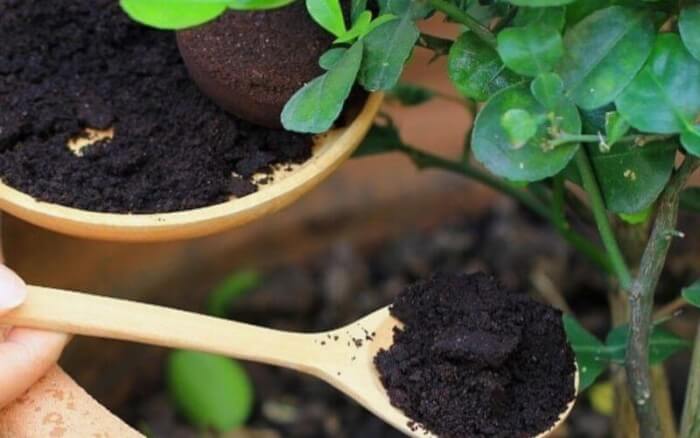
I absolutely love using coffee grounds in my garden because they give plants such a big nitrogen boost that I can see the difference within weeks. I usually add them to my compost pile, but I have also sprinkled them straight onto the ground around acid-loving plants. In my experience, they improve soil structure and attract beneficial microbes. This is one of my favorite free resources that would otherwise end up in the trash.
2. Wood Ashes: A Potassium-Rich Boost for Alkaline-Loving Plants
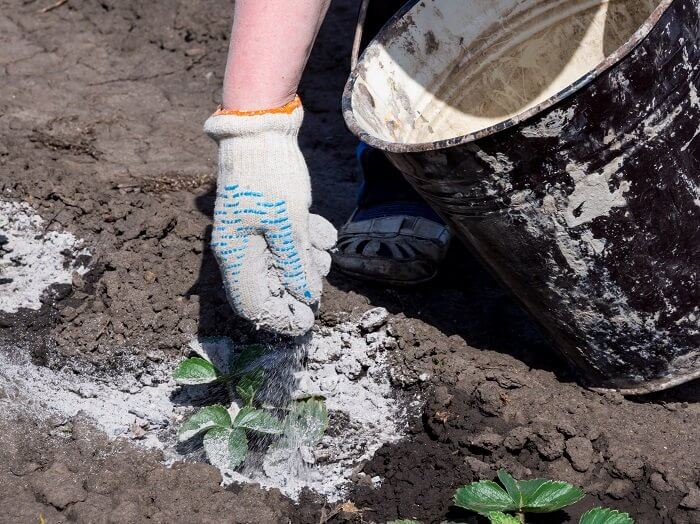
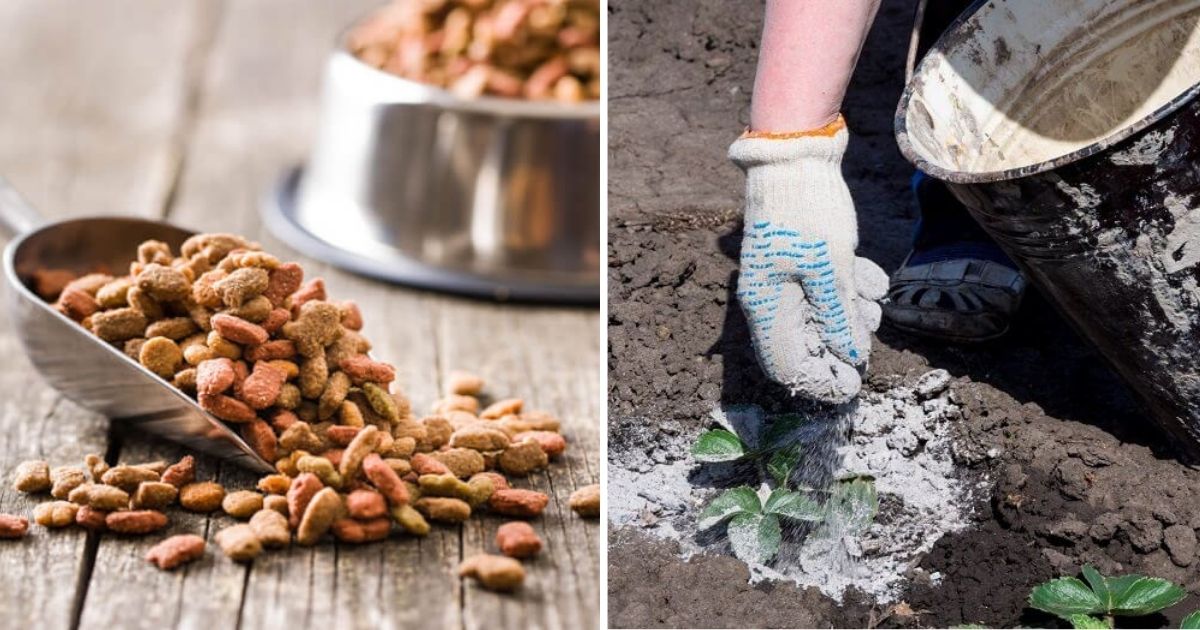
I find wood ashes incredibly useful because they are brimming with essential nutrients that plants absolutely need for healthy growth. I typically use them to raise soil pH in my vegetable beds, and they can either be scattered lightly or added to compost. In my experience, they work wonders on root vegetables and fruiting plants that prefer less acidic conditions. This is a fantastic way to recycle fireplace waste into garden gold.
3. Expired Animal Feed: A Protein-Packed Compost Addition
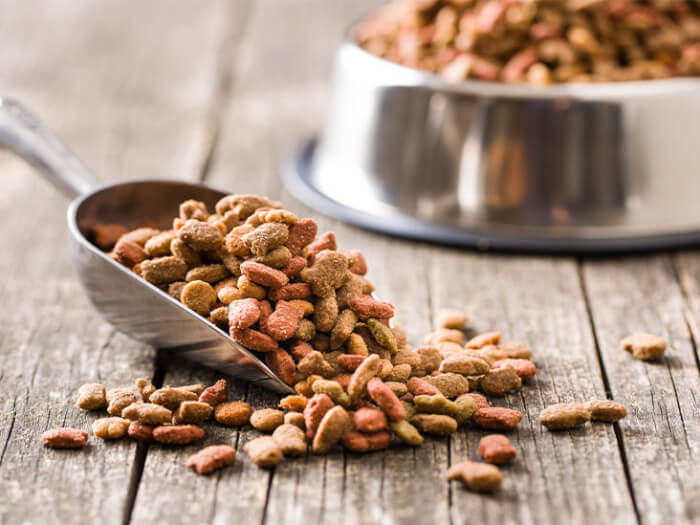
I was pleasantly surprised to learn that expired animal feed is filled with protein, nitrogen, potassium, calcium, and phosphorus. I now add it to my compost pile for an incredible nutrient boost that breaks down beautifully. In my experience, it heats up the compost quickly and accelerates the decomposition process. This is such a clever way to repurpose something that would otherwise go to waste.
4. Eggshells: Calcium Powerhouses That Deter Pests
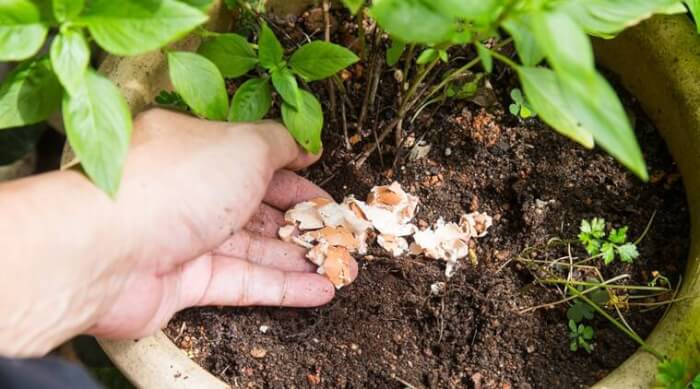
I absolutely swear by eggshells in my garden because they are chock full of nitrogen, calcium, and phosphoric acid that plants crave. I crush mine and till them into the soil, or scatter them into the bottom of planting holes for newly planted vegetables. I also love that they repel critters such as snails and slugs, which used to destroy my lettuce. This is one of the easiest and most effective free fertilizers I have ever used.
5. Composting: Black Gold from Kitchen Scraps
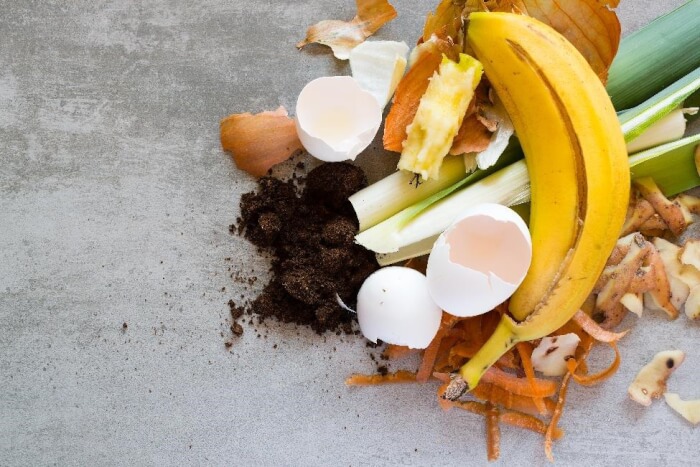
I think composting is absolutely magical because it transforms ordinary organic matter into nutrient-packed black gold for my plants. I toss in apple cores, stale bread, vegetable peels, leaves, and grass clippings, and nature does the rest. In my experience, homemade compost is far superior to store-bought fertilizers because it improves soil structure while feeding plants. This is the foundation of my entire gardening philosophy.
6. Banana Skins: Potassium-Rich Peels That Repel Aphids
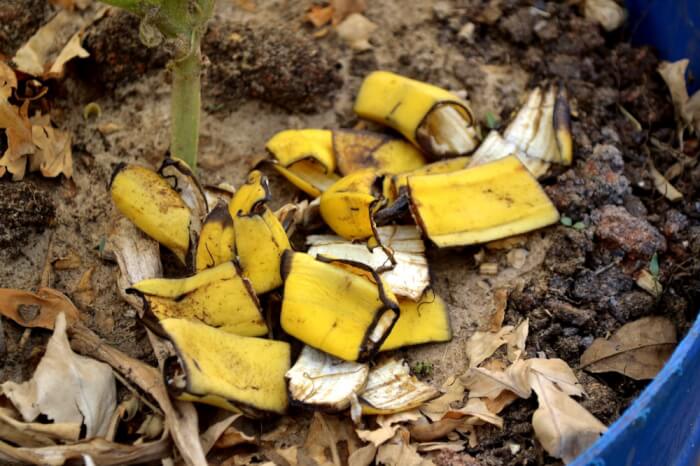
I absolutely love using banana skins because they are rich in minerals and easily diffuse potent nutrients into the soil over time. I was thrilled to discover they are also formidable aphid repellants, which has saved my roses more than once. I cut the skins into small pieces so they decompose faster, then bury them an inch or two in my garden beds. This is one of my favorite tricks for boosting flowering plants naturally.
7. Manure: A Smorgasbord of Nutrients for Hungry Soil
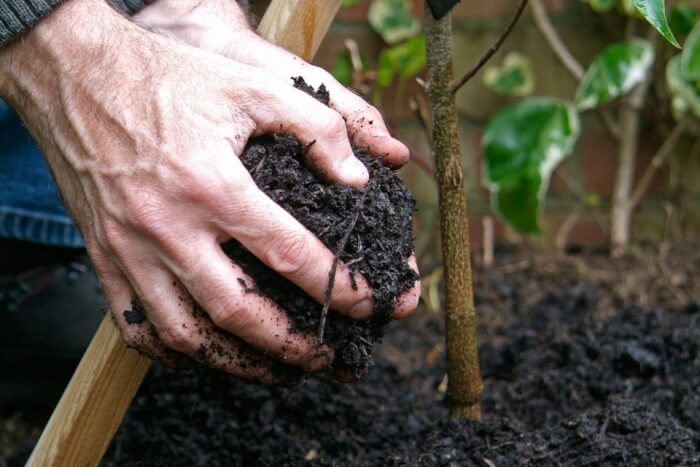
I firmly believe that fertilizing your garden with properly composted animal manure is top-notch nourishment for the soil. As manure is actually a smorgasbord of nutrients, but I always compost it first so it does not burn my plants. I keep in mind never to use dog or cat feces, though, as they can contain communicable diseases such as toxoplasmosis and roundworms. When sourced safely and aged correctly, this is one of the most powerful organic fertilizers available.
8. Epsom Salt: Magnesium Magic for Bigger Blooms
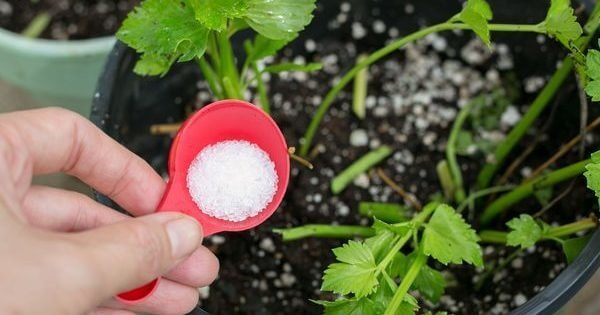
I am absolutely amazed by how Epsom salt packs such a generous mix of magnesium and sulfur to pump up blooms in my garden. I have noticed it helps plants become bushier and enhances the production of chlorophyll, making leaves greener and healthier. It is particularly effective with my roses, tomatoes, and peppers since they often suffer from magnesium deficiencies. I either sprinkle it in the planting hole or mix it with water for a quick foliar feed.