Not every pretty plant has a pleasant disposition, and I have learned that some of the most beautiful flowers around us can actually be quite dangerous. In this post, I want to share with you 13 stunning flowers that contain hidden toxins.
I am not saying you should remove them or avoid them altogether. However, I believe you should know the names of those flowers to avoid problems and become aware of what the consequences might be to your kids and pets.
These flowers look harmless to the naked eye, but they also contain toxins and poisonous substances that can be lethal. I often find these plants lurking in my garden, hiding behind fragrant blooms and colorful petals.
Are you ready to spend your time checking the names of these flowers with me?
#1 Daffodil (Narcissus) – The Deceptive Beauty in Your Garden
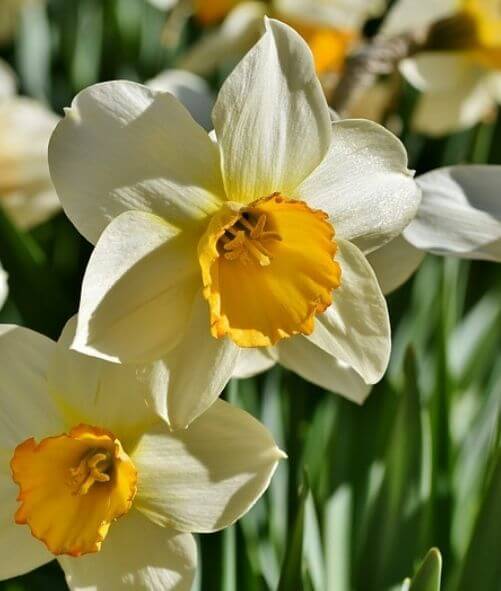
I find daffodils absolutely charming when they bloom in spring, but I always remind myself that the bulbs are the most toxic part of this popular flower. In my experience, too much ingestion can cause vomiting, diarrhea, tremors, and even heart rhythm disorders. I personally keep these away from areas where my pets and kids play.
#2 Azalea – A Lovely but Dangerous Garden Addition
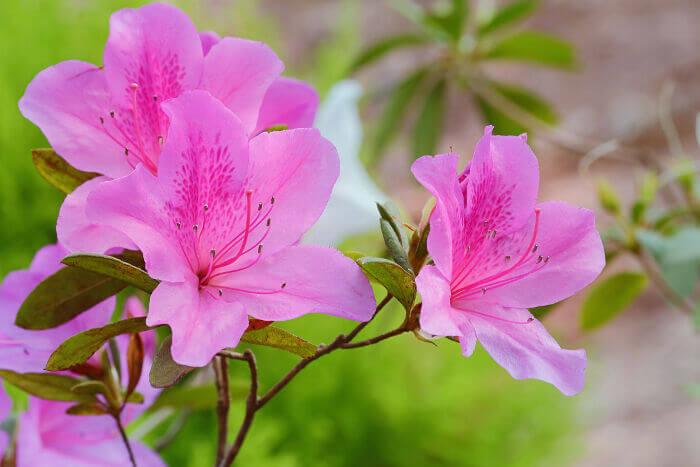
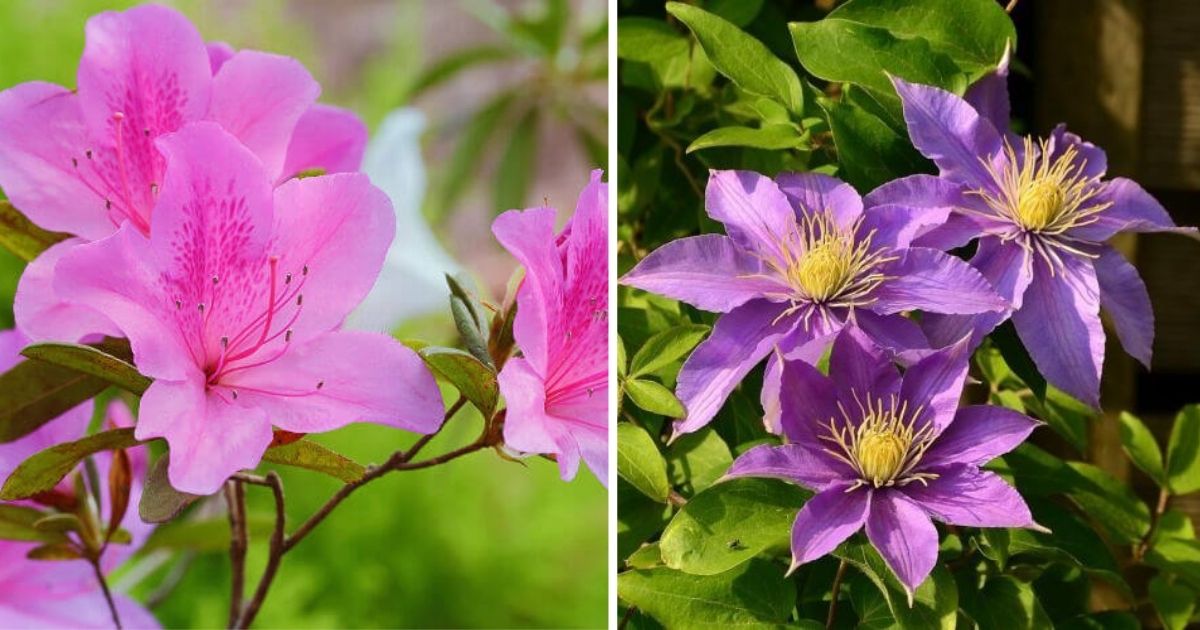
I have always loved azaleas for their vibrant colors, but I recently learned that both azaleas and rhododendrons are poisonous to pets. In my opinion, every part from flowers to leaves or stems can lead to nausea, abdominal pain, and difficulty in breathing if eaten. I now make sure to plant them in spots my pets cannot reach.
#3 Lily of the Valley – The Fragrant Threat Among Garden Ideas
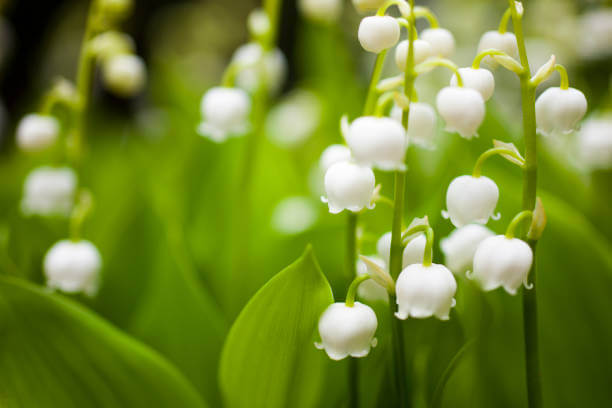
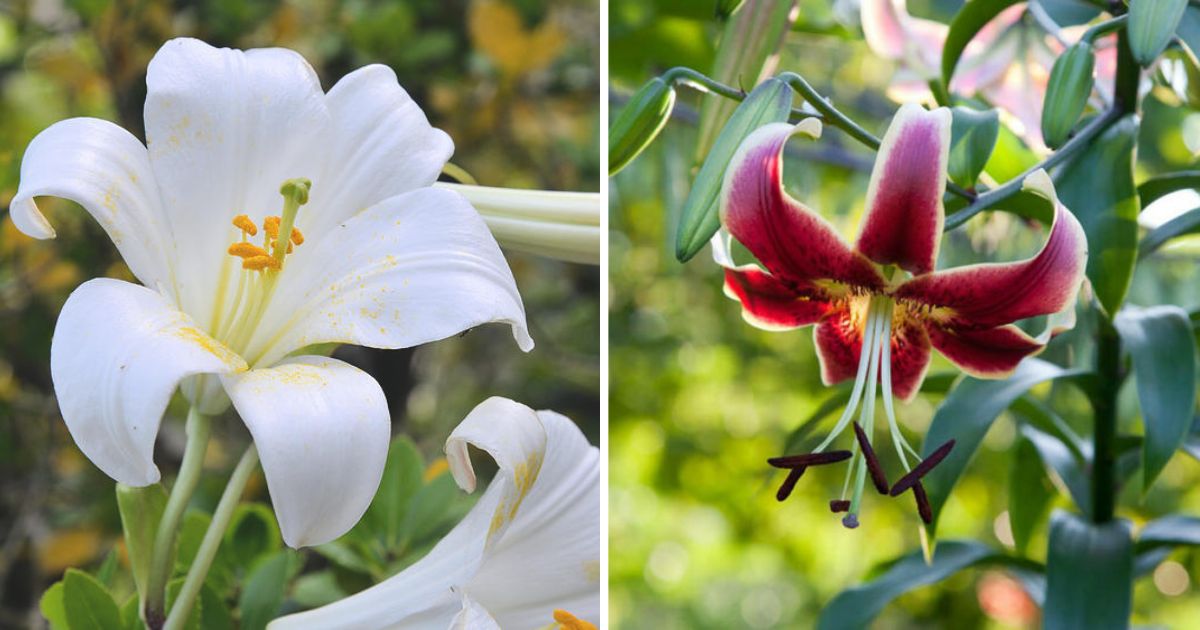
I think lily of the valley is one of the most toxic plants I have ever researched, and I strongly believe its flowers, leaves, and stems should never be eaten. The plant contains cardiac glycosides, which act directly on the heart and cause vomiting, hallucinations, and slow heart rates. In my view, this flower can be fatal in some cases, so I avoid it entirely.
#4 Lantana – A Butterfly Magnet with a Dark Secret
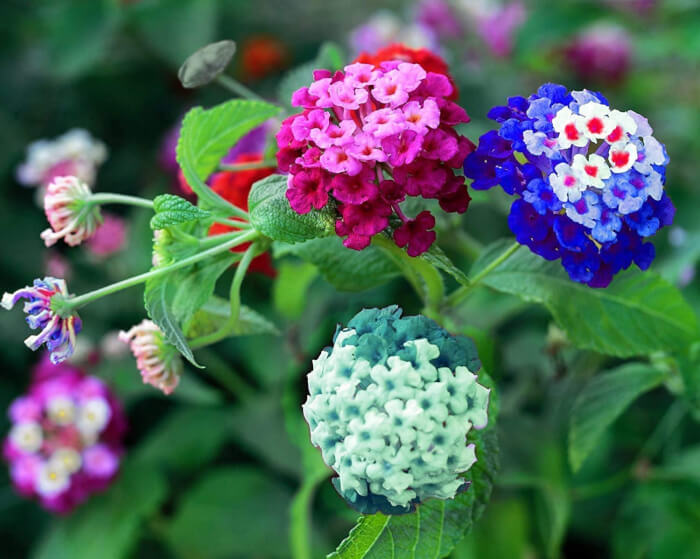
I adore lantana for its intense fragrance and the way it attracts butterflies to my outdoor space. However, I have discovered that all parts of the plant contain liver toxins. From what I have read, symptoms like depression, vomiting, fatigue, and liver failure are possible after ingestion. I personally would not risk having this around curious pets.
#5 Hydrangea – The Stunning Bloom Hiding Cyanide
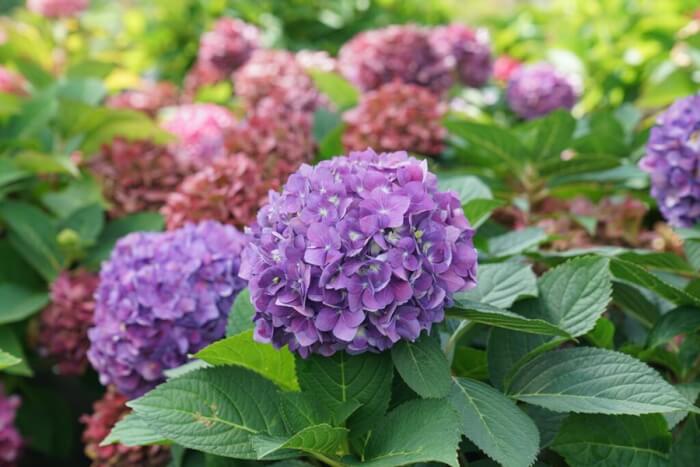
I find hydrangeas breathtaking, but I was shocked to learn they contain a small amount of cyanide that can be lethal if ingested heavily. Although they are not extremely dangerous for humans, I believe ingestion of leaves or flowers can cause vomiting, diarrhea, and lethargy in pets. I always warn my visitors about this hidden danger.
#6 Wisteria – The Cascading Poison in Your Backyard
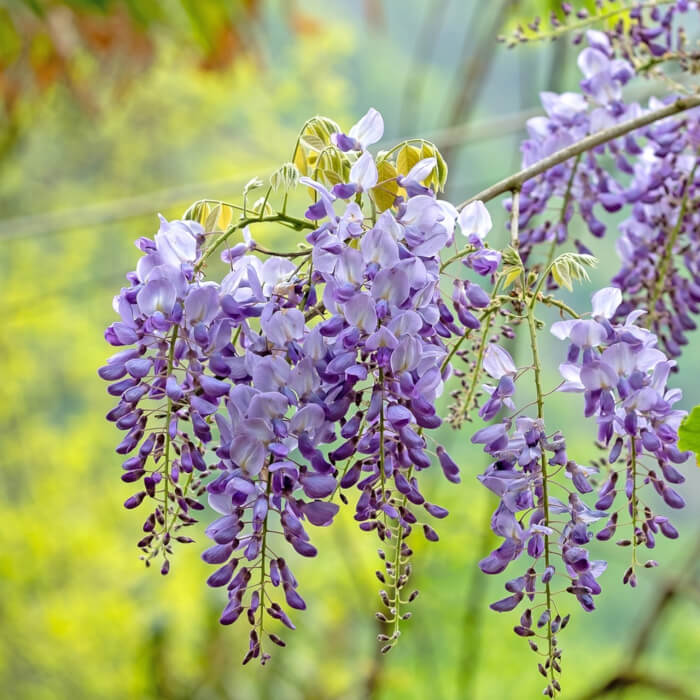
I have always dreamed of having wisteria draping over my pergola, but I now know this flower is mildly poisonous, especially to cats and dogs. In my research, I found that every part of it is toxic, with the seeds being the most dangerous. I believe even a few seeds can cause abdominal pain, vomiting, and depression in the central nervous system.
#7 Morning Glory – A Morning Delight with Toxic Seeds
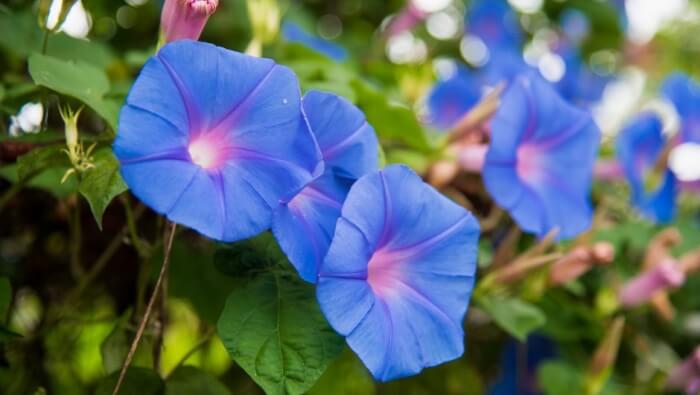
I love watching morning glories open at dawn, but I have learned that not all species are safe, and some seeds are poisonous if swallowed. I discovered that morning glory contains lysergic alkaloids, which can cause diarrhea, lack of coordination, and liver failure if a large amount of seeds is ingested. I personally keep these out of my pet-friendly areas.
#8 Clematis – The Mild but Irritating Climber
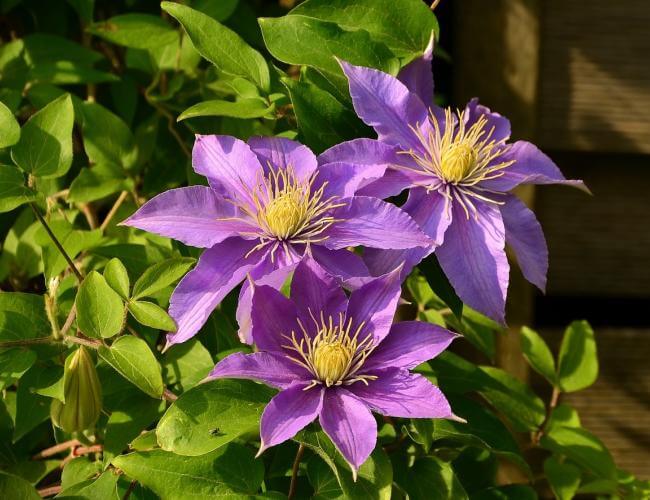
I think clematis is a rather mild but still toxic plant that I handle with care in my garden. When touched or consumed, the toxin called anemonin can affect both pets and humans. I personally wear gloves while pruning clematis because it can cause dermatitis and a burning sensation. I also noticed it has a bitter taste, so pets usually avoid it.
#9 Calla Lily – Elegant but Raw and Dangerous
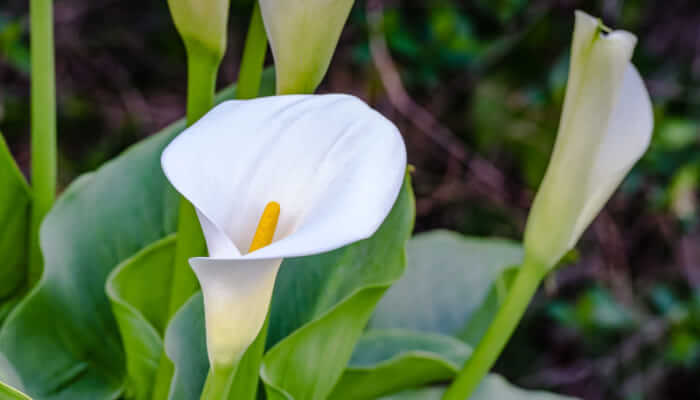
I find calla lilies absolutely elegant as cut flowers, and I think they look beautiful in any arrangement. However, I learned from North Carolina State University that all parts of calla lily are poisonous and contain calcium oxalate crystals. I believe eating any part raw can cause swelling of the lips, tongue, and throat, and similar symptoms occur in animals.
#10 Periwinkle – The Medicinal Plant with a Warning
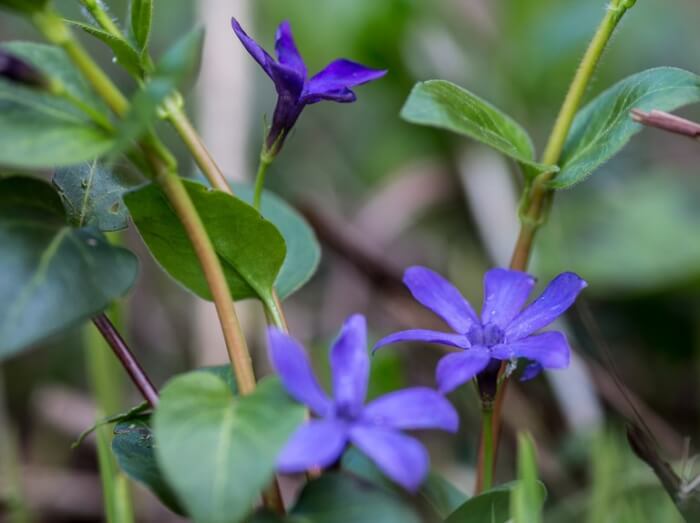
I have always found periwinkle charming as a ground cover, but I now know it is mildly poisonous and contains a group of alkaloids. I find it interesting that it is used to cure high blood pressure, yet excess consumption causes a dangerous drop in blood pressure and hypotension. I personally keep this in mind when planning my landscaping ideas.
#11 Calotropis – The Latex That Can Blind
I was horrified to learn that calotropis oozes latex from its flowers and leaves that can cause blindness if it contacts the eyes. In my opinion, this is one of the most dangerous plants on this list, and I would never consider adding it to my garden. I always warn others about this severe risk.
#12 Foxglove – The Medicine and the Poison
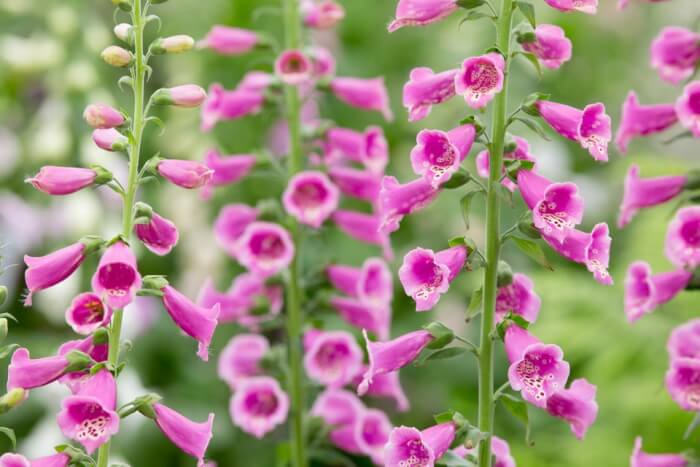
I find foxgloves fascinating because they are used to prepare heart medicines, yet all parts of the plant are mildly poisonous. I learned they contain digitalis glycoside, digitoxin, and deslanocide. However, I believe ingesting even a particular amount can cause headache, stomach pain, and fainting, so I treat them with extreme caution.
#13 Oleander – The Beautiful Killer Every Homeowner Should Know
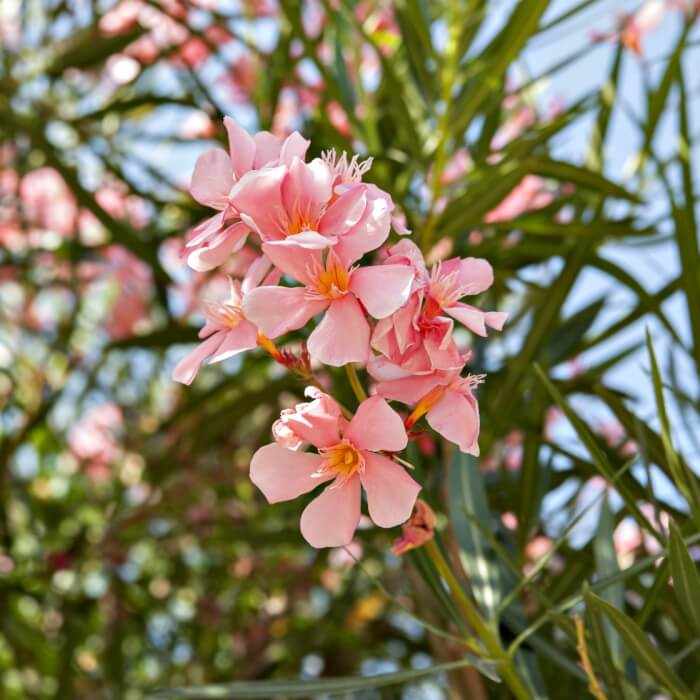
I admit oleanders are charming, fragrant, and loved by many homeowners, blooming in white, pink, yellow, or red. But I am extremely careful because I know that just eating a meager amount of this toxic flower can be dangerous. I have read that all parts are extremely poisonous, and even the smoke from burning its wood is toxic, with symptoms including dehydration, fever, slow heartbeat, and possible death.