Known as desert natives, succulents and cacti are accustomed to harsh conditions by storing water in their signature thick, fleshy leaves and stems. That is the reason why they are capable of surviving both lengthy droughts and extreme temperatures for a long time. In my years of cultivating these remarkable plants across various climates—from humid subtropical regions to arid continental interiors—I’ve come to appreciate them not merely as survivors but as sophisticated organisms that have evolved specific anatomical and physiological adaptations over millions of years. Their capacity for water storage in specialized tissues, their modified photosynthetic pathways that minimize transpiration loss, and their surface adaptations ranging from waxy cuticles to reflective spines all represent evolutionary solutions to environmental challenges that would rapidly destroy conventional garden plants. What draws me to these plants, and what I emphasize when introducing them to fellow gardeners, is not merely their toughness but the aesthetic possibilities their unique forms present. The architectural quality of a well-grown agave, the jewel-like perfection of lithops colonies, or the sculptural presence of mature columnar cacti offer design elements impossible to achieve with leafy tropicals or herbaceous perennials.
If you want to enjoy their tough beauty, try growing one of the 11 Best Drought-Tolerant Succulent and Cactus Varieties. They’re great for beginner gardeners and people who forget to water their indoor plants. Of course, they also are great for planting outside to enhance the landscape. The appeal to beginners is something I’ve observed repeatedly in my teaching and consulting work: the forgiveness these plants offer for inconsistent care creates a low-stakes environment for developing fundamental horticultural skills. Unlike the immediate decline that follows missed watering with moisture-dependent plants, succulents provide visible feedback through gradual plumping or slight wrinkling, allowing the observant grower to learn plant language without catastrophic consequences. For the chronically busy or travel-prone individual, this resilience translates to sustainable plant ownership rather than recurring cycles of purchase and failure. Outdoor applications in xeriscape gardens or water-wise landscape designs extend these benefits to environmental scale, reducing irrigation demands while maintaining visual interest through seasons when conventional plantings would require constant supplementation. I’ve designed succulent-heavy gardens for clients in drought-prone regions that have maintained their structure and color through water restrictions that devastated neighboring lawns and perennial borders.
Thanks to their easy growth properties, they grow with low maintenance, slowly, and need very little watering. So, whether you love any variety of them, they are perfectly adapted to live in all conditions. With many different varieties with lots of unusual shapes, forms, and unique colors, it’s time to grow some now! The diversity within this category is genuinely astonishing—I’ve encountered over ten thousand recognized species across succulent and cactus families, each with specific adaptations to particular ecological niches. This variety supports endless creative possibilities in arrangement and display, from minimalist compositions featuring single sculptural specimens to complex rock gardens simulating entire desert ecosystems. The color range extends far beyond the stereotypical green: anthocyanin pigments produce reds and purples under stress, carotenoids create yellow and orange tones, and some species develop genuine blue or silver coloration through surface wax deposits. The growth forms range from flattened, stone-mimicking bodies to spherical globes, from trailing cascades to upright columns, from delicate filigree to massive architectural statements. For the collector or the designer, this diversity ensures that whatever specific aesthetic or spatial requirement exists, there exists a succulent or cactus capable of fulfilling it. The eleven varieties I’ve selected for detailed examination represent my personal recommendations based on reliability, accessibility, and the capacity to introduce novice growers to the satisfactions these plants provide while offering sufficient interest to maintain engagement of experienced collectors.
#1 Lithops
Source: Gardenersworld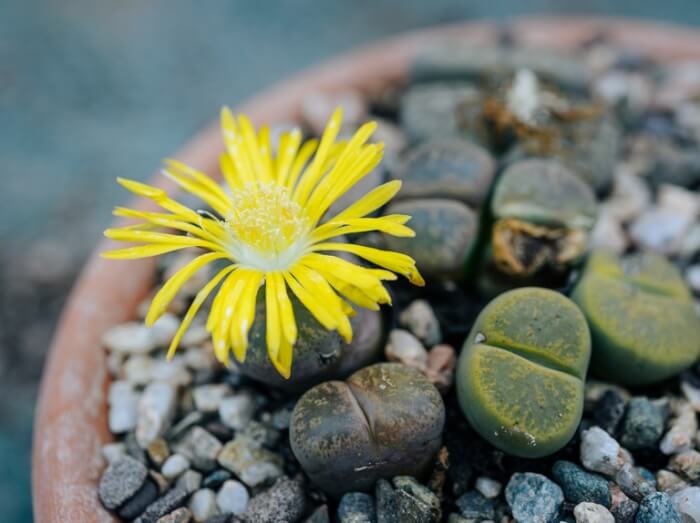
Lithops, commonly called living stones or pebble plants, represent perhaps the most extraordinary evolutionary achievement in camouflage among cultivated succulents. These small South African natives have reduced their morphology to essentially two fused leaves, flattened and patterned to resemble the quartzite stones among which they grow in their native Namaqualand. When I first encountered lithops in specialist collections, I was struck by the uncanny precision of their mimicry—the coloration, texture, and even the apparent translucency of stone surfaces reproduced in living tissue. Cultivation requires understanding their specific growth cycle: during their dormant summer period, they should receive minimal or no water, as moisture during this rest phase causes the characteristic splitting and rot that destroys plants. Active growth occurs in autumn and spring, when careful watering can produce the daisy-like yellow or white flowers that emerge from the cleft between leaves, followed by the fascinating process of leaf pair replacement where the outer body gradually shrivels as a new pair develops within. I’ve maintained lithops collections for over a decade, and the annual cycle of flowering and renewal never loses its capacity for wonder. For indoor cultivation, they require the brightest light available—south-facing windows or supplemental grow lighting—and extremely well-draining soil composed primarily of grit and sand with minimal organic matter. Their small size makes them ideal for windowsill collections or terrarium-style arrangements where their stone-like appearance creates surreal miniature landscapes. The watering requirements are genuinely minimal; I water my lithops perhaps four to six times annually, always responding to visible signs of thirst slight wrinkling rather than calendar schedules. For the patient observer willing to respect their seasonal rhythms, lithops offer a glimpse into evolutionary adaptation at its most ingenious.
#2 Jade Plant
Source: Amazon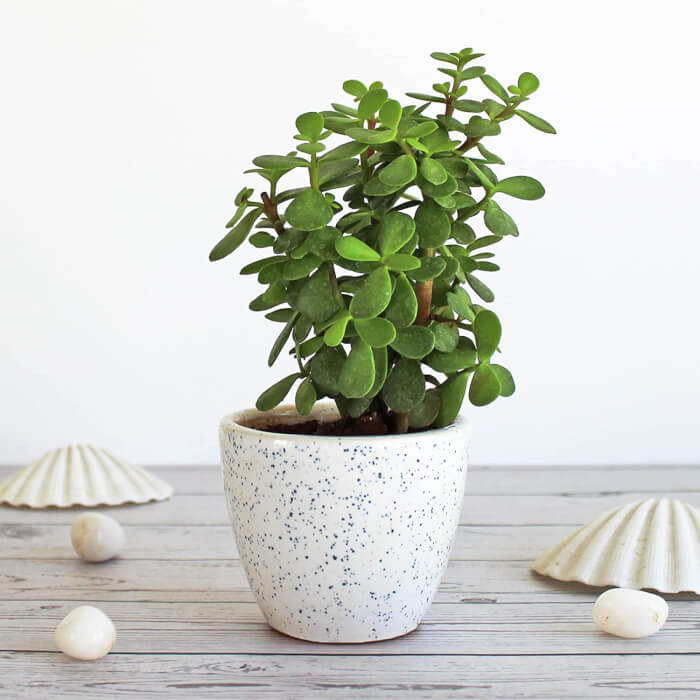
The jade plant, Crassula ovata, holds a special position in my personal collection and in the broader context of succulent cultivation as the species that most successfully bridges the gap between specialist interest and mainstream houseplant popularity. Native to South Africa and Mozambique, this species has achieved global distribution through a combination of exceptional durability and cultural significance, particularly in Chinese feng shui traditions where it is known as the “money plant” or “money tree,” believed to attract financial prosperity when placed near entrances. While I remain agnostic about these metaphysical claims, I’ve observed that the cultural associations contribute to the plant’s popularity and the care recipients devote to its maintenance. Botanically, the jade plant is fascinating for its adaptation to arid conditions: the thick, woody stems and plump, oval leaves store substantial water reserves, while the waxy cuticle minimizes evaporative loss. In optimal conditions, jade plants develop into genuine small trees, with trunks thickening and bark developing over years of growth, eventually reaching heights of several feet and producing clusters of small white or pink star-shaped flowers under specific photoperiod and temperature conditions. My oldest jade plant, now approaching fifteen years in my care, has developed a trunk diameter of several inches and a branching structure that genuinely merits description as tree-like. Cultivation requirements are straightforward but specific: full sun exposure produces the most compact growth and the red-tinged leaf margins that indicate optimal health, while well-drained soil prevents the root rot that represents the primary threat to established plants. Average summer temperatures suit them well, though they tolerate considerable heat; winter protection from freezing is essential, as the water-rich tissues are vulnerable to ice crystal formation. I’ve found that jade plants respond enthusiastically to consistent care, growing visibly during favorable seasons and maintaining their structure through neglect that would destroy less adapted species. For the beginning succulent grower or the believer in symbolic plant meanings, the jade plant offers an ideal entry point with genuine long-term potential.
#3 Cactuses
Source: Gardeningknowhow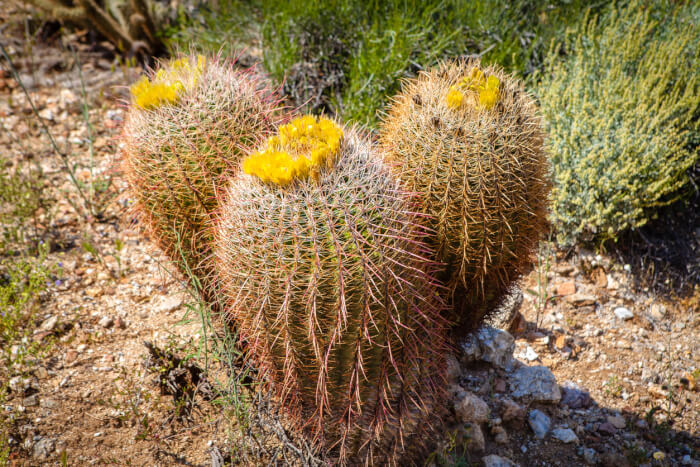
The term “cactuses” or more properly “cacti” encompasses a vast family of plants unified by the presence of areoles—specialized structures from which spines, flowers, and new growth emerge—but displaying extraordinary diversity in form, size, and specific adaptation. When I speak of cacti as a group for garden or indoor cultivation, I’m referring to this spectrum of possibilities rather than any specific species, though the principles of care apply broadly across the family. The fundamental characteristic that distinguishes cacti from other succulents is their capacity for extreme water conservation: during drought periods, these plants actively shrink as internal water reserves are mobilized, a visible demonstration of survival strategy that I’ve used repeatedly to educate students about plant adaptation. The spines that define cactus appearance are modified leaves that serve multiple functions—reducing air flow across the stem surface to minimize evaporation, providing defense against herbivores, and in some species, creating diffused shade that reduces thermal stress. The stems themselves are photosynthetic organs, taking over the food production role that leaves perform in most plants while simultaneously serving as water storage tissues. This architectural efficiency produces the sculptural forms that make cacti valuable design elements: columns, spheres, pads, and joints that create strong visual presence with minimal maintenance demands. In my experience, cacti are genuinely low-maintenance when their basic requirements are met—primarily intense light and protection from overwatering. The “easy to grow” reputation is deserved but requires qualification: these plants demand understanding of their specific needs rather than application of conventional houseplant care routines. The most common failure mode I encounter involves excessive kindness—too frequent watering, too rich soil, too humid environments—that overwhelms their adaptations and causes rapid decline. Properly managed, with gritty, well-drained soil, maximum available light, and watering schedules that respect seasonal dormancy, cacti can thrive for decades, developing character and presence that improve with age. For the gardener seeking sculptural plants with genuine drought tolerance and minimal intervention requirements, the cactus family offers options ranging from windowsill-sized globes to landscape-dominating specimens capable of surviving decades of neglect.
#4 Blue Flame Cactus
Source: Greg.app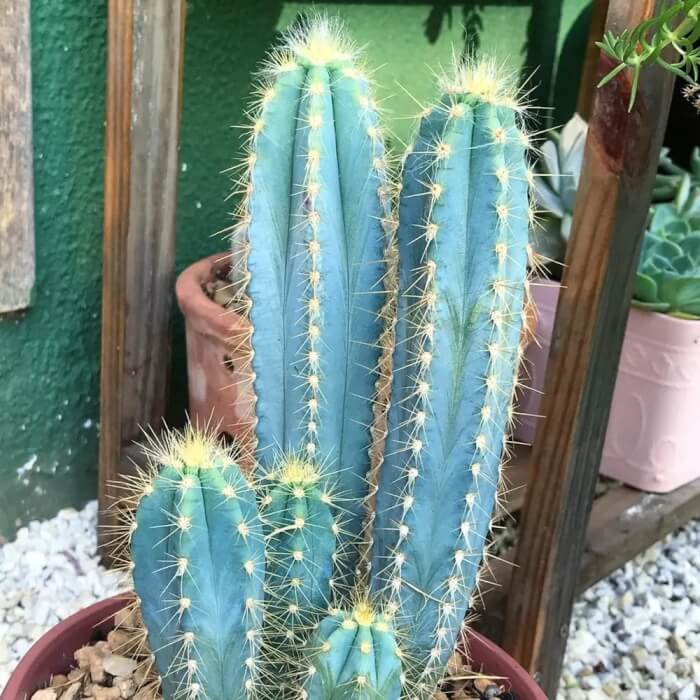
The blue flame cactus, Myrtillocactus geometrizans, is a species that I frequently recommend for gardeners seeking to incorporate cacti into modern landscape designs or architectural interior plantings. Native to central and northern Mexico, this columnar species develops distinctive blue-green coloration that provides cool-toned contrast to the warmer greens typical of leafy plants, while its growth habit—branching from the base to form candelabra-like structures reaching ten feet or more—creates genuine sculptural presence. The common name derives from the appearance of mature specimens, with their upright columns and angled ribs suggesting flickering flames frozen in vegetative form. In my cultivation experience, the blue flame cactus demands specific but achievable conditions: full sun exposure is non-negotiable for maintaining the characteristic coloration and compact growth; insufficient light produces etiolated, weak stems that lose the architectural quality that defines the species. Soil requirements are typical of desert cacti—excellent drainage provided by gravel-mixed substrates with minimal organic content, replicating the rocky slopes of its native habitat. I’ve found that established specimens are remarkably drought-tolerant, surviving extended dry periods with minimal stress indicators, though active growth and optimal appearance require occasional deep watering during warm seasons. The species produces small, bilberry-like fruits (the specific epithet “geometrizans” references the geometric arrangement of ribs, while “myrtillocactus” acknowledges the myrtle-blue fruit coloration) that are technically edible and used in Mexican traditional cuisine, though I grow my specimens primarily for their visual impact. One cultivation note from my experience: this cactus is relatively fast-growing compared to many columnar species, producing noticeable extension during favorable seasons, which allows relatively rapid development of substantial specimens but also requires planning for ultimate size in garden placement. For the designer seeking cool-toned vertical elements with strong graphic presence, the blue flame cactus offers exceptional aesthetic value combined with genuine environmental toughness.
#5 Claret Cup Cactus
Source: Istockphoto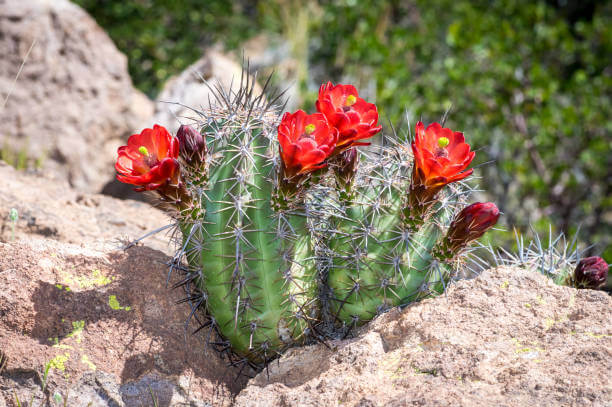
The claret cup cactus, Echinocereus triglochidiatus, holds a special place in my collection as a species that combines exceptional ornamental value with surprising productivity, producing not only spectacular floral displays but also edible fruits of genuine culinary interest. Native to the southwestern United States and northern Mexico, this species typically grows as clustered mounds of cylindrical stems reaching up to three feet in spread, though individual stems remain relatively slender. The common name references the brilliant crimson flowers that emerge in spring, among the most vividly colored blooms in the cactus family, creating dramatic contrast against the blue-green stems and attracting hummingbirds and native bees in outdoor garden settings. What distinguishes this species from many ornamental cacti, and what I emphasize when recommending it, is the fruit production: following successful pollination, the cactus develops small, bright orange fruits with juicy pulp and flavor remarkably reminiscent of strawberries, though with subtle cactus-specific undertones. These fruits are genuinely edible and nutritious, containing antioxidants and vitamins, and have been traditional food sources for indigenous peoples of the region. I’ve harvested and consumed claret cup fruits from my own plants, finding them pleasant for fresh eating and suitable for preserves or syrups that capture their distinctive flavor. Cultivation requirements align with typical desert cactus care: excellent drainage, full sun exposure, and protection from winter moisture in cold climates. The species demonstrates good cold hardiness for a cactus, surviving temperatures well below freezing when kept dry, which extends its cultivation range into regions where more tropical cacti would fail. For the garden or collector seeking to combine ornamental value with edible production, the claret cup cactus offers a rare combination of spectacular flowers, architectural form, and genuinely useful harvest.
#6 Portulaca
Source: Plantingman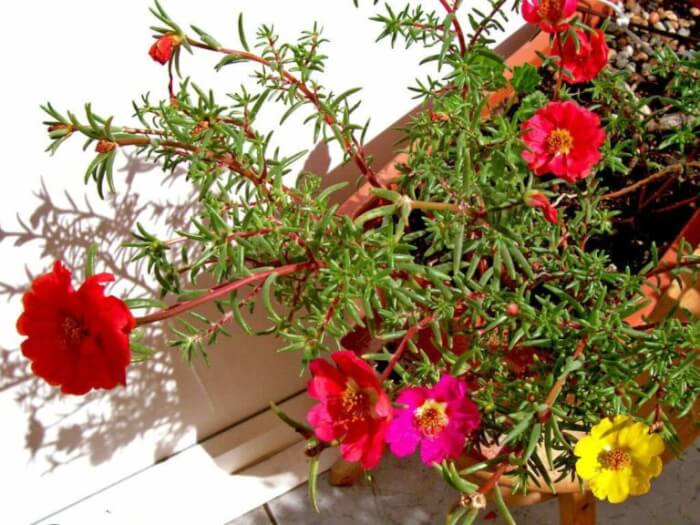
Portulaca, commonly known as moss rose or purslane, represents a genus that I’ve come to value highly for specific garden applications where few other plants can perform adequately. These low-growing, trailing succulents produce an abundance of small, rose-like flowers in saturated colors—magenta, orange, yellow, salmon, and white—that open in morning light and close as temperatures rise, creating a daily rhythm of display that I’ve found charming in patio containers and border edges. The drought tolerance is exceptional even among succulents; I’ve observed portulaca thriving in conditions of extreme neglect, in poor, sandy soils where establishment of conventional annuals would require constant irrigation and soil amendment. The succulent leaves and stems store water efficiently, while the prostrate growth habit minimizes exposure to desiccating winds. This capacity for survival in “dry, poor soil” makes portulaca invaluable for challenging sites—rock gardens, parking strips, hot pavement edges—where its spreading mats of color provide groundcover functionality with minimal maintenance demands. The species requires warmth for optimal performance; I’ve found that spring planting should be delayed until soil temperatures consistently exceed 60°F, as cold soil produces stunted growth and susceptibility to root rot. Once established, however, portulaca sails through summer heat that wilts most competitors, flowering continuously until frost. The “survive for a long time without water” characteristic makes this an excellent choice for vacation homes, rental properties, or any situation where consistent care cannot be guaranteed. I’ve used portulaca extensively in container combinations where its trailing habit softens edges and its vivid flowers provide color echoes to taller companions. For the water-conscious gardener seeking maximum floral impact with minimum irrigation investment, portulaca offers one of the most favorable ratios of display to demand in the entire plant kingdom.
#7 Adenium
Source: Mydomaine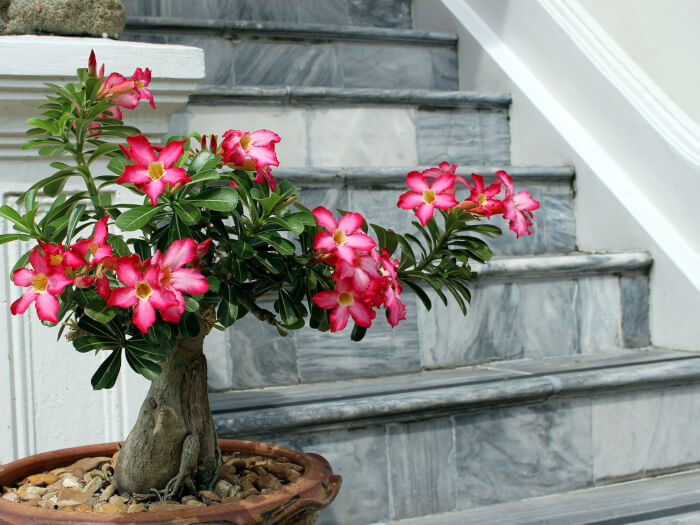
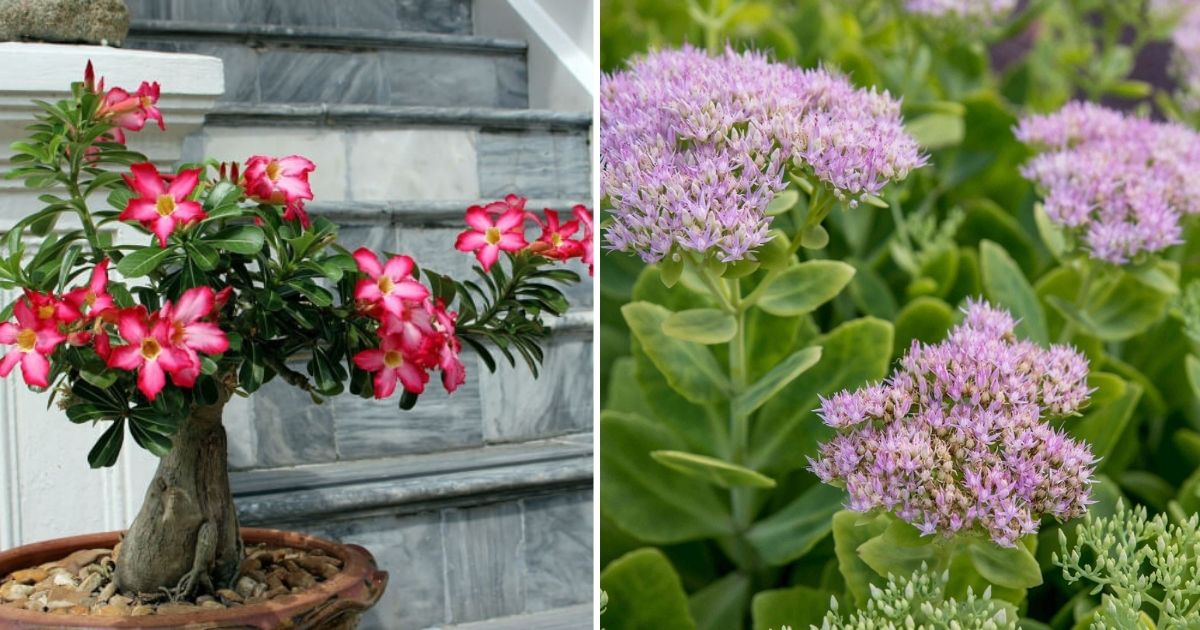
Adenium obesum, commonly called desert rose, is a species that I approach with particular affection and respect, having cultivated specimens across a range of conditions and observed their remarkable adaptability and ornamental potential. Native to the Sahel regions of Africa and the Arabian Peninsula, this species has evolved a distinctive growth form featuring a massively swollen basal caudex—the water-storing trunk—that gives mature specimens the appearance of miniature trees, complete with thick, gnarled bark and branching structure. The “occasional watering” requirement reflects their adaptation to environments with distinct wet and dry seasons; in cultivation, I provide deep watering during active growth periods followed by extended dry periods that encourage caudex development and prevent the root rot that represents their primary vulnerability. The flowering, which occurs primarily in warm seasons, produces trumpet-shaped blooms in shades of pink, red, and white with contrasting throats, creating spectacular display that I’ve found rivals many conventional flowering shrubs in impact. Full sun and heat are essential for optimal performance; adeniums grown in insufficient light become leggy and fail to flower, while those in appropriate exposure develop compact, heavily blooming specimens. I’ve found that these plants respond enthusiastically to container culture, where controlled soil conditions and restriction of root zone actually enhance caudex development through the bonsai principle of constrained growth. The tropical succulent classification is technically accurate but requires qualification—adeniums tolerate extreme heat and full desert sun, but they are vulnerable to freezing and must be protected or brought indoors when temperatures drop below 50°F. For the collector seeking sculptural plants with genuine flowering capacity, or for the designer creating xeriscape gardens with exotic character, adenium offers a combination of architectural presence and floral display that justifies its increasing popularity in specialist cultivation.
#8 Sedum
Source: Thespruce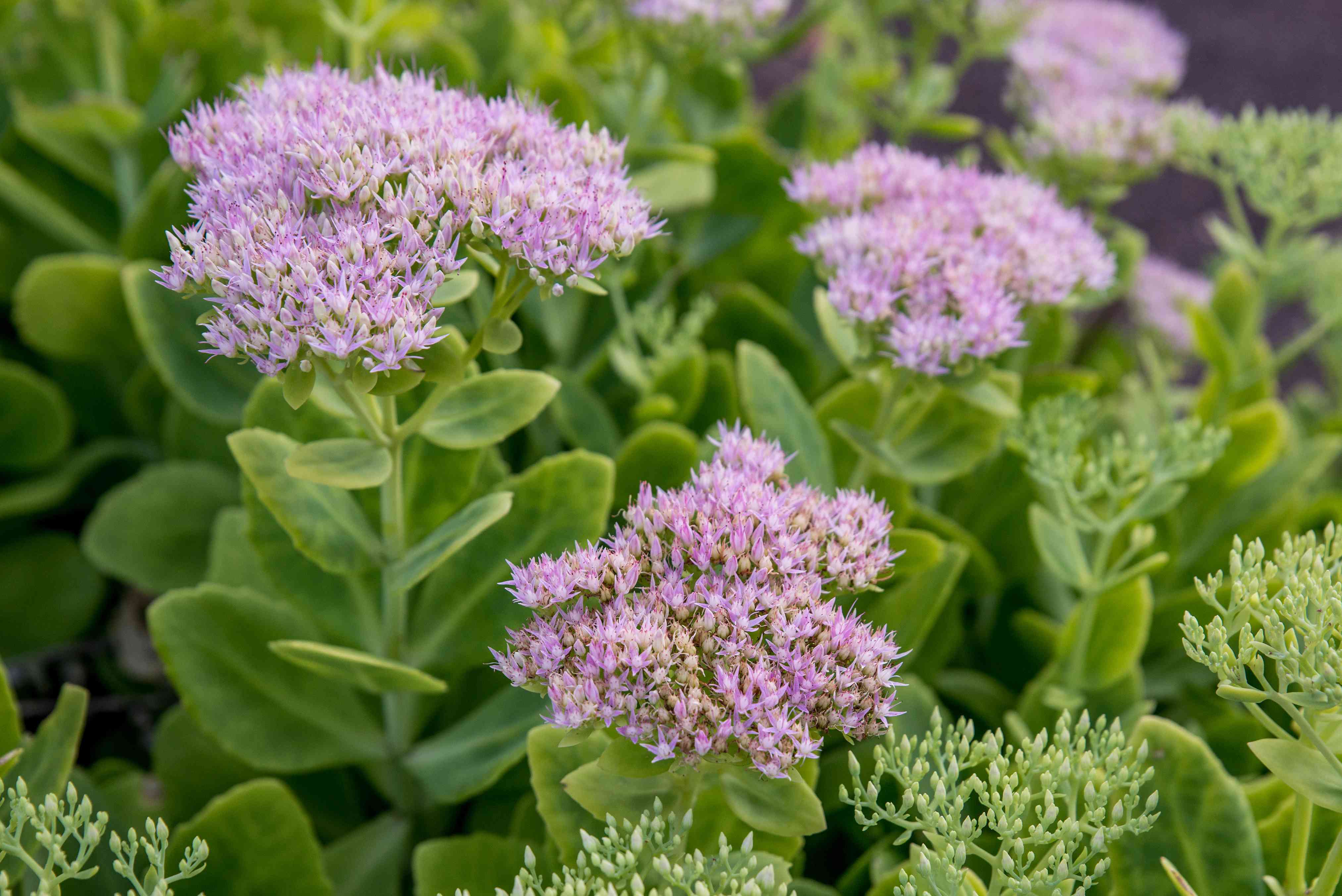
The genus Sedum, now partially reclassified into separate genera under contemporary botanical taxonomy but still widely recognized by the traditional name, encompasses such diversity of form and application that I find it challenging to generalize meaningfully. From the low-growing groundcovers like Sedum acre or S. spurium that I’ve used extensively in green roof installations and rock garden matrices, to the substantial “stonecrops” like S. ‘Autumn Joy’ that function as perennial border anchors, to the delicate trailing species suitable for hanging containers, this group offers solutions for virtually every garden situation where drought tolerance is prioritized. The resistance to drought that characterizes the genus stems from their Crassulacean Acid Metabolism (CAM) photosynthetic pathway, which allows stomatal opening at night to minimize water loss, combined with water storage in thick, fleshy leaves and stems. The specific watering schedule I’ve developed—approximately weekly during active spring and summer growth, monthly or less during winter dormancy—represents a general guideline that requires modification based on specific species, container size, and environmental conditions. What distinguishes sedums in my experience is their adaptability to soil conditions; while they prefer the excellent drainage typical of succulents, they tolerate heavier soils and less-than-perfect drainage better than many cacti or desert succulents, expanding their application range significantly. The light requirement—”plenty of light and sunshine”—is non-negotiable for compact growth and optimal coloration; insufficient light produces etiolated, weak growth that loses the structural qualities defining the genus. I’ve found sedums particularly valuable for their seasonal transformations: many species develop enhanced coloration—reds, purples, bronzes—under stress conditions of cold or drought, creating dynamic garden interest that extends beyond their basic form. For the gardener seeking reliable, adaptable succulents with proven performance across diverse applications, the sedum group offers options ranging from extensive groundcover mats to substantial specimen plants, all unified by exceptional drought tolerance and minimal maintenance requirements.
#9 Haworthia
Source: Birdsandblooms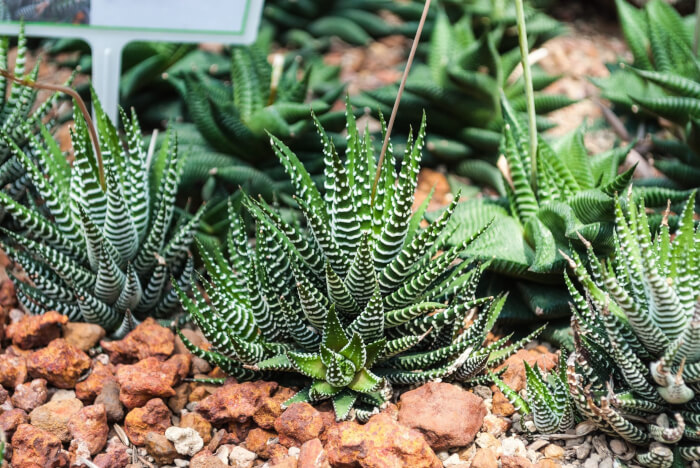
Haworthia species have become increasingly prominent in my recommendations as understanding of their cultivation requirements has spread beyond specialist collectors to mainstream succulent growers. These small, rosette-forming succulents from southern Africa share with aloes (their close relatives) the architectural appeal of symmetrical leaf arrangement, but typically remain much smaller and more manageable for indoor cultivation. The “partial sun” requirement distinguishes them from the full-sun demands of many desert succulents; haworthias have evolved as understory plants in semi-arid shrublands, adapting to bright filtered light rather than direct exposure. This makes them exceptionally suitable for indoor environments where intense direct sun is unavailable—east or north-facing windows, or locations several feet back from south-facing glass, provide appropriate illumination. I’ve found that the “sandy soil” requirement is critical for success; these plants demand extremely well-draining substrates that dry rapidly after watering, and they are particularly vulnerable to root rot in moisture-retentive media. My personal mix incorporates coarse sand, perlite, and minimal organic matter, replicating the rocky soils of their native habitat. The “warm temperature” preference aligns with their subtropical origins; while they tolerate brief cool periods, sustained temperatures below 50°F stress the plants and should be avoided. “Moderate watering” in practice means allowing complete soil drying between applications, then soaking thoroughly—a rhythm I’ve found produces the plump, turgid leaves that indicate optimal health. The diversity within the genus is substantial, from the translucent-windowed H. cooperi species that seem to glow when backlit, to the zebra-striped H. fasciata with its raised white tubercles, to the compact, rough-textured H. truncata with its distinctive leaf truncation. For the indoor grower with limited light or the collector seeking architectural small-scale plants, haworthias offer exceptional variety combined with cultivation requirements that are genuinely achievable in typical home environments.
#10 Agave
Source: Fast-growing-trees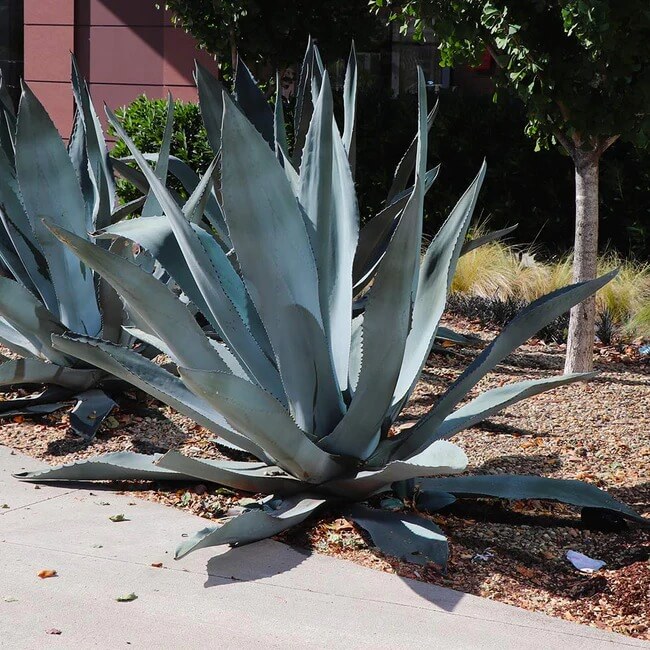
Agaves occupy a distinctive position in my succulent collection as the plants I most frequently describe as “architectural”—their forms are so strongly graphic, so definitively structured, that they function as design elements comparable to built structures or sculptural art. Native to the Americas with centers of diversity in Mexico, agaves have evolved as specialists in extreme aridity, developing the massive water-storage capacity indicated by their thick, fibrous leaves and the extensive root systems that “send its roots deep below the soil surface to collect the water available.” The description of water storage in “thick foliage” captures the essential adaptation: agave leaves are massive, succulent organs capable of retaining reserves that sustain the plant through drought periods measured in years rather than weeks. I’ve observed agaves surviving in abandoned gardens for extended periods without any supplementation, gradually consuming their stored resources and shrinking in size but maintaining viability until rainfall eventually returns. This capacity for survival through extended deprivation makes them invaluable for water-wise landscape designs where their bold rosettes create focal points of permanent structure. The range of sizes within the genus is extraordinary, from small species like A. parviflora suitable for container cultivation, to landscape-dominating monsters like A. americana that reach ten feet in height and spread with leaves extending like massive swords. All share the characteristic of monocarpic flowering—after years or decades of vegetative growth, they produce a single spectacular flowering stalk, set seed, and die—though they typically produce offsets (“pups”) that continue the genetic line. For the garden designer seeking permanent structure with zero irrigation requirements, or the collector interested in plants that embody the drama of desert adaptation, agaves offer unmatched presence and resilience.
#11 Euphorbia
Source: Brandskyltd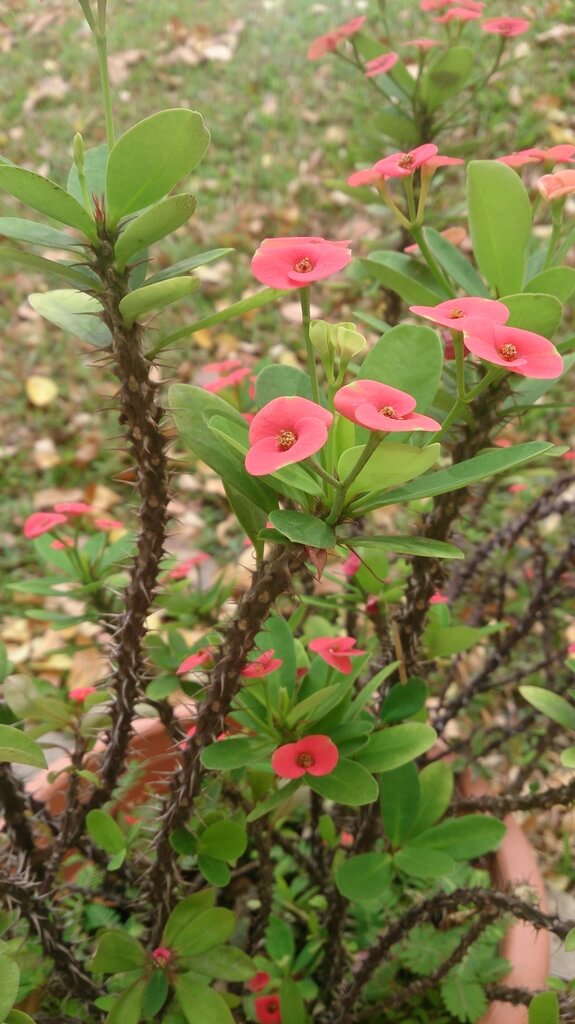
The succulent euphorbias represent one of the most taxonomically confusing but horticulturally rewarding groups in my collection, encompassing African and Madagascan species that have converged evolutionarily with cacti in form and function while remaining botanically distinct. The observation that “most of the plants from the Euphorbia genus tolerate the scarcity of water easily” is accurate for the succulent species specifically, though the genus also contains many non-succulent members with different requirements. What distinguishes euphorbias and demands specific awareness is their unique defense chemistry: all produce milky latex sap when damaged that is often toxic and irritant, requiring careful handling and protection from pets and children. This characteristic notwithstanding, I’ve found succulent euphorbias to be among the most visually striking and easily maintained plants in my collection. The diversity of forms is remarkable—spherical globes like E. obesa (the baseball plant), columnar cactiform species like E. ingens and E. ammak, angular segmented types like E. lactea, and bizarre medusa-forms like E. flanaganii. The “don’t require special attention” description is largely accurate once appropriate conditions are established: bright light, well-drained soil, and watering schedules that respect their dormancy periods. I’ve found that euphorbias often outperform true cacti in humid climates where cactus rot is problematic, their different evolutionary origins providing slightly different disease susceptibilities. The capacity to “tolerate the scarcity of water easily” makes them excellent choices for travelers, absentee gardeners, or water-restricted landscapes. For the collector seeking cactus-like forms with different evolutionary stories, or the designer needing sculptural plants with genuine toughness, the succulent euphorbias offer exceptional variety combined with manageable care requirements.