Not everyone has enough luck to own a large garden, even citizens living in the city. There are many people who mistakenly believe that they need a large garden or allotment space to grow their own food. In my experience working with urban gardeners, I’ve found that vertical growing techniques can transform even the smallest balcony or patio into a productive food source. The key is selecting the right varieties and providing proper support structures.
Don’t let this mindset prevent you from growing anything, try starting some of the 11 Best Climbing Fruits vertically. They are great for growing on fences, trellises, wires, pergolas, and arbors, at the same time, they also make the most of your space to create your own homegrown fruits. Vertical gardening not only saves ground space but also improves air circulation and reduces pest problems. I’ve seen remarkable harvests from gardeners who thought they had no room for fruit production.
Growing your own fruits not only is a great way to get fresh, great-tasting food but is also good for your physical and mental health. Thanks to the advantage of these climbing fruits are the ability to grow upright and meander along the truss, they can give shade to bring a fresh living space and help you enjoy the coolness and beauty of the landscape. The act of tending to climbing plants and watching them reach toward the sun provides genuine therapeutic value. In my backyard garden, the living green walls created by these climbers have become my favorite retreat.
So, whether you have a small garden, you also have more fruits as you desire. With the right choice of climbing fruit trees, the sky really is the limit, keep reading to know about these fruits. Each variety I’ve selected has proven successful in my own vertical growing experiments over the years. I hope my personal experiences will help you achieve similar success in your space.
#1 Passionfruit
Source: Harvesttotable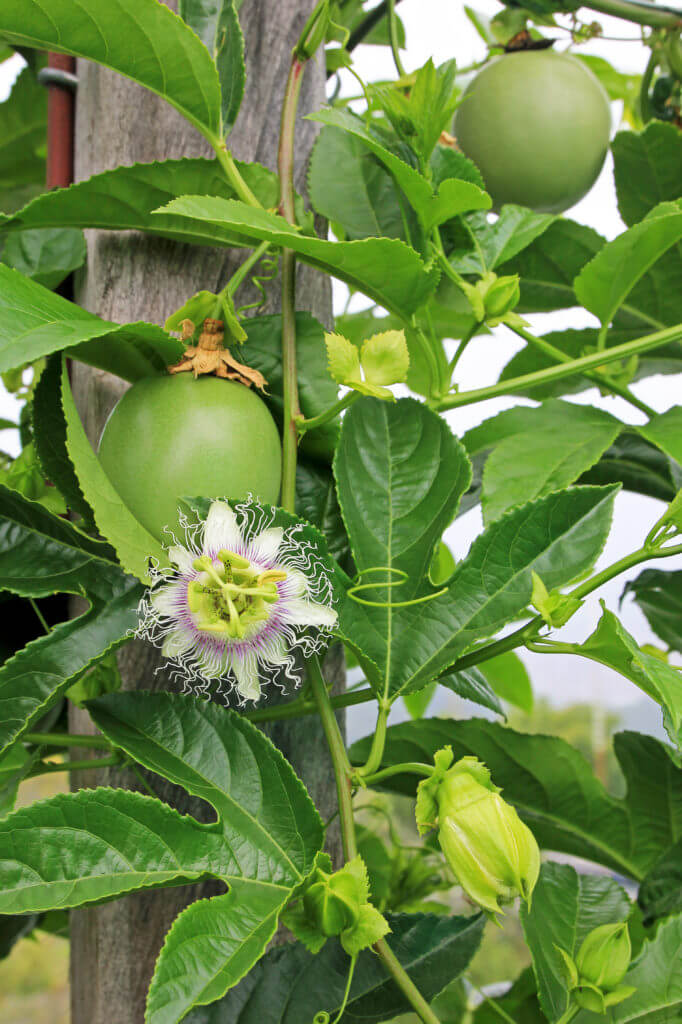
This perennial climbing vine grows best in warm, sub-tropical climates. It can take between 12 to 18 months to produce fruits from initial planting. The green fruits turn dark purple when it ripens and develops its characteristic wrinkled appearance. I find that passionfruit vines create the most beautiful natural privacy screens while producing abundant harvests.
#2 Blackberries
Source: Mygardenlife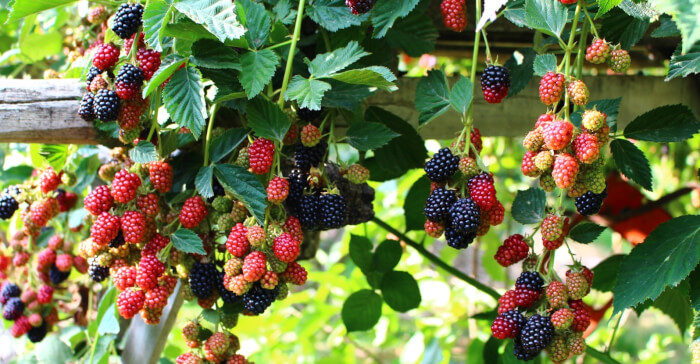
Blackberries look like a weed in some regions, the fruits grow on thorny vines that require careful handling. They grow best in areas that have warm days and nights with adequate moisture. They need full sun for happy growth and maximum berry production. You can grow them along a fence, wires, or trellis for easy harvesting and containment.
#3 Raspberries
Source: Treehouse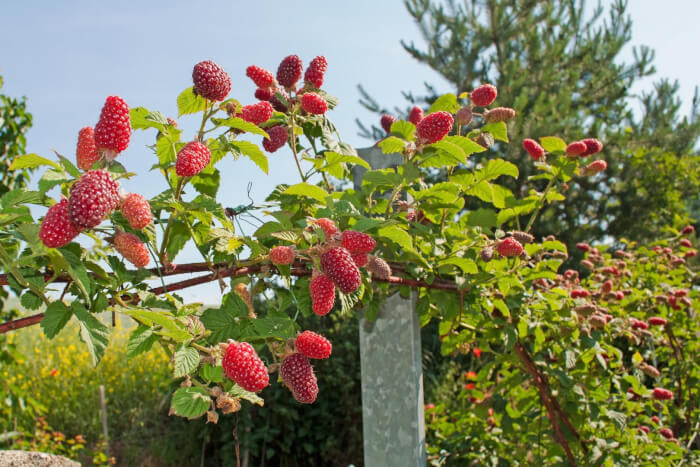
These fast-growing climbing fruits can produce fruits in summer or fall, depending on the varieties you select. They can be planted vertically on a trellis to harvest easier as well as control diseases and pests effectively. The vertical growing method also prevents berries from touching soil and rotting. I recommend pruning raspberries annually to maintain vigor and fruit quality.
#4 Gooseberries
Source: Podgardening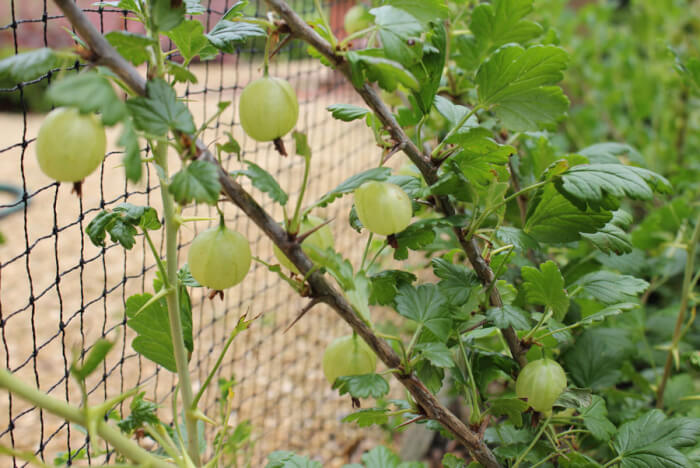
This berry brings small red or green fruits that can be sour or sweet depending on ripeness. It can be grown into a bush or trained to grow along a fence or a trellis, even in containers on patios. Gooseberries are remarkably versatile and productive in small spaces. In my experience, they make excellent jam and pie fillings with unique tart flavor.
#5 Blueberries
Source: Homedepot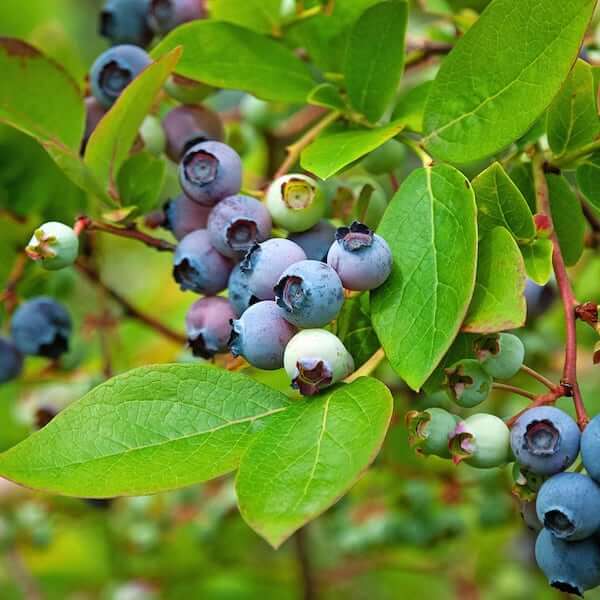
Blueberries also are climbing berry plants that bear white bell-shaped flowers in spring. When the flowers fade, they give way to small round berries that ripen to deep blue. They can reach 3 to 6.5 feet tall and grow well in full sun without wind exposure. I always remind growers that blueberries require acidic soil for optimal production and health.
#6 Dragon Fruit
Source: Sowexotic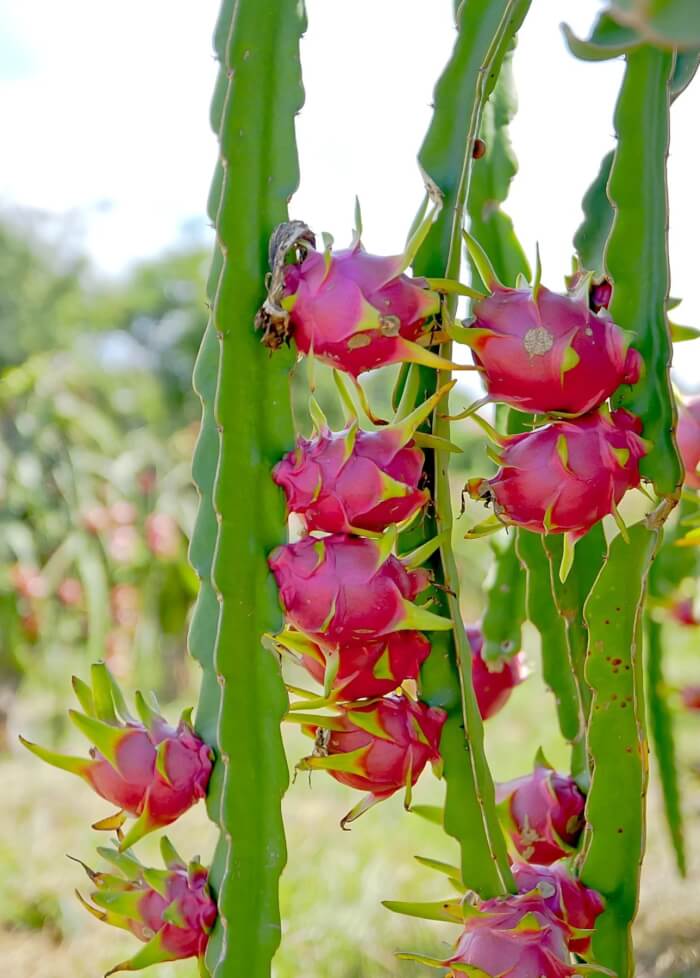
Dragon Fruit is a climbing variety of cacti that grow best in tropical and subtropical regions. It produces green and pink fruits with tastes similar to a pear or kiwi fruit with subtle sweetness. Give it a sturdy structure to climb up and regular pruning to keep it in a manageable size. The nocturnal flowers are absolutely spectacular and worth staying up late to observe.
#7 Honeydew Melon
Source: Horticulture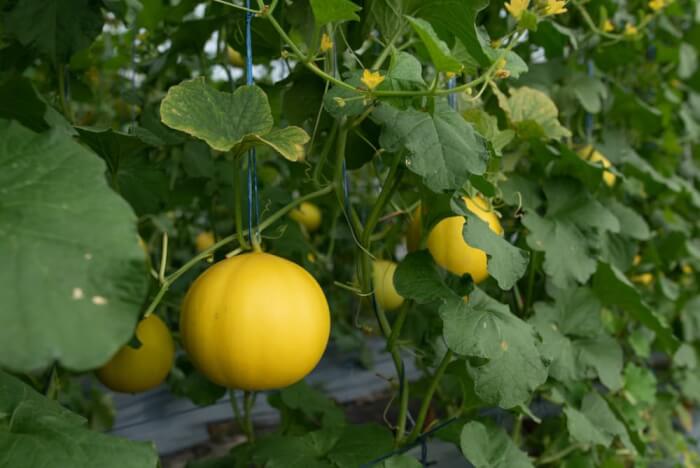
Honeydew Melons have the same growing requirements as cantaloupes with similar cultural needs. The fruits have a creamy-colored exterior and light green flesh with refreshing sweetness. They can be grown in large containers with trellis to climb up and support developing fruit. I find that vertical melon growing produces cleaner, more uniform fruits than ground cultivation.
#8 Grapes
Source: Gardeningknowhow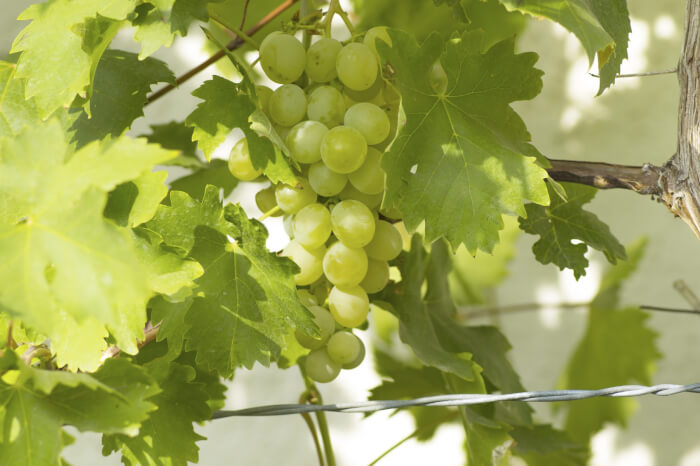
Grapes are perennial climbing fruit that gives a great look when grown on an arbor or pergola. They require well-drained soil, full sun, and many spaces to spread out their vigorous vines. Also, you should prune them regularly to control the growth and produce high-quality fruit clusters. In my vineyard garden, table grapes trained over walkways create magical outdoor rooms.
#9 Cucumber
Source: Thepracticalplanter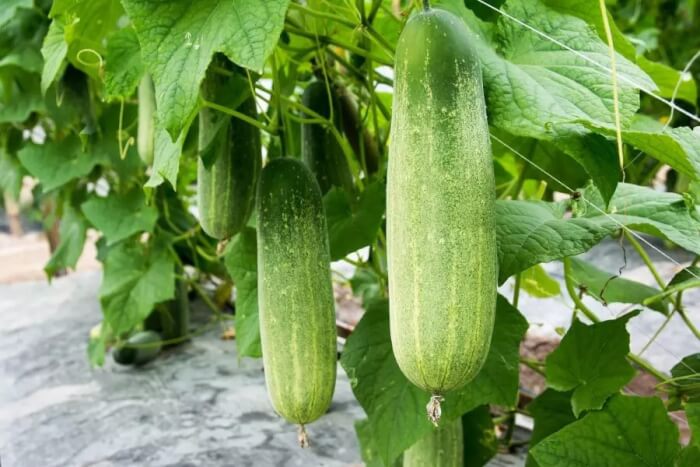
Cucumbers are popular and easy-to-grow climbing vines that produce abundant harvests quickly. You can grow it on a trellis to harvest easier as well as limits fungal diseases and pests naturally. The vertical position keeps fruits straight and clean for better market appearance. I harvest cucumbers daily during peak season to encourage continuous production.
#10 Cantaloupe
Source: Gardenerspath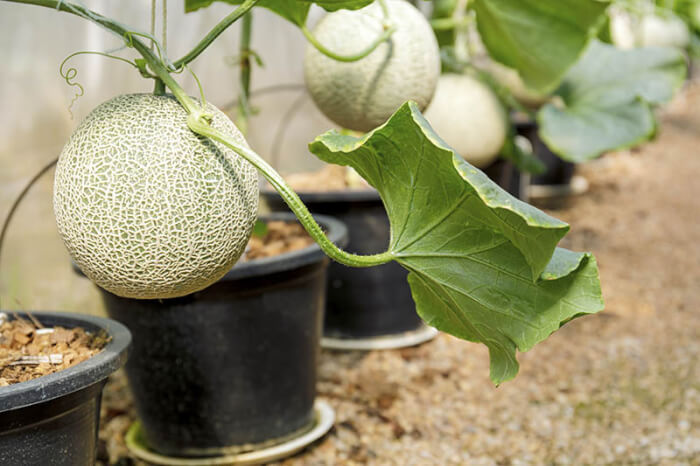
Cantaloupe is sensitive to frost and requires warm conditions for successful growth. To produce fruits, the plant requires at least 2 to 3 months of warm temperatures, plenty of sunlight, and consistent water. The netted rind and orange flesh make this a summer favorite for fresh eating. I support heavy fruits with slings made from old stockings to prevent vine damage.
#11 Watermelon
Source: Gardenerspath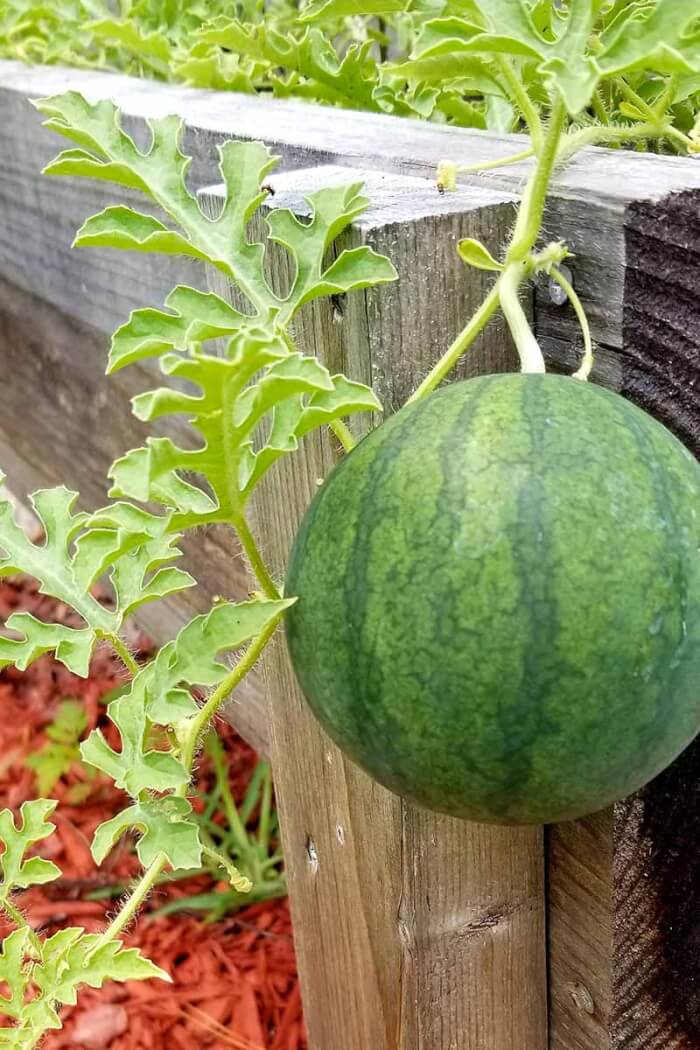
The popular summer fruit has great sweet, juicy red flesh to relish on hot days. When grown vertically, it needs a sturdy hammock or sling to support the weight of the developing fruits. Smaller icebox varieties work best for vertical cultivation in limited spaces. I find that vertical watermelon growing actually improves fruit quality through better air circulation and sun exposure.