I get incredibly frustrated every time I spot slugs sliming their way through my vegetable beds. These persistent pests seem to appear out of nowhere and can destroy an entire crop overnight if I’m not careful. Like most vegetable growers, I’ve definitely had moments where I wanted to wipe them out completely.
While I’ve tried laying down baits and repellents in the past, I’ve come to believe the smartest approach is simply growing plants they refuse to touch. By choosing wisely, I can outwit these annoying pests naturally and keep my garden thriving without constant battles.
So I’m thrilled to share some effective strategies I’ve discovered for keeping this pest out of my garden. Here are 10 beautiful landscaping plants that slugs absolutely hate to eat.
I used to waste so much time and energy trying to eliminate them, and honestly, many pest control methods involve harsh chemicals I don’t want near my food. Instead of scattering pellets everywhere, I’ve switched to these natural plant-based solutions. Even better, these plants don’t just repel slugs—they give my landscape a gorgeous, polished look. Let me tell you more!
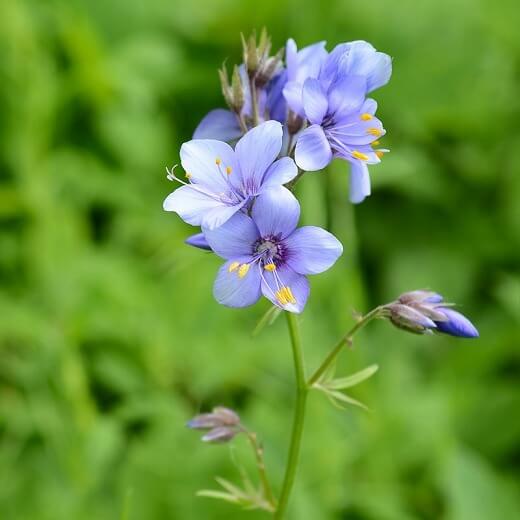
#1 Jacob’s Ladder
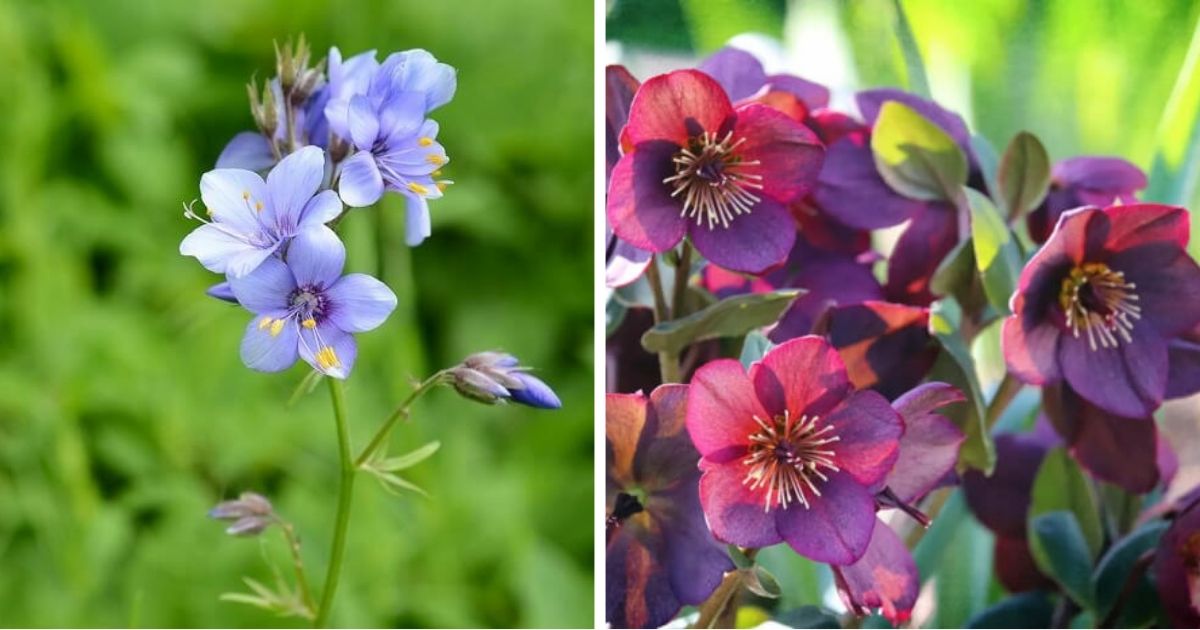
I absolutely adore Jacob’s Ladder for its delicate clusters of blue, purple, and lavender flowers that brighten up shady corners. In my experience, it thrives beautifully in partial shade where slugs often lurk, yet they completely ignore it. I think it’s one of the most elegant perennials you can add to a slug-prone area.
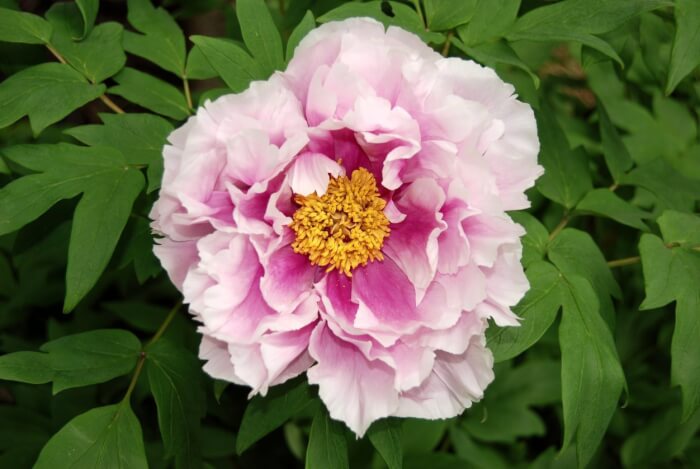
#2 Tree Peony
I learned the hard way that tree peonies need protection from slugs when they’re young and tender. Once mature, their woody stems and tougher foliage make them far less appealing to these pests. I personally think the breathtaking blooms are worth the extra vigilance during their early years.
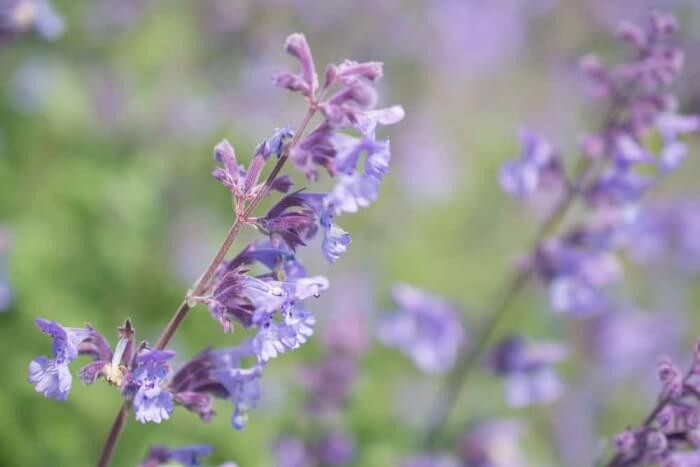
#3 Catmint
I love running my hands through catmint and releasing that strong, minty aroma that slugs clearly despise. The pungent scent acts as a natural barrier, and I’ve noticed other aromatic herbs work just as effectively. I personally plant it along my vegetable paths as a fragrant, protective border.
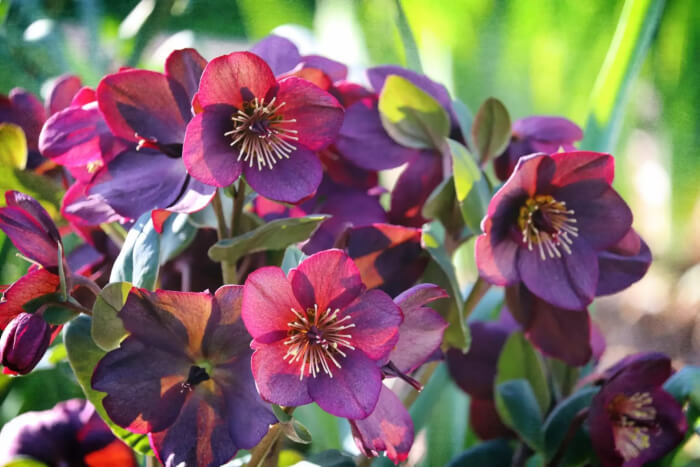
#4 Lenten Rose
I was so relieved to discover Lenten Rose because its thick, waxy leaves are practically slug-proof. The glossy coating creates a surface they simply cannot stomach. I think this early-blooming perennial is a must-have for any garden where slugs are a persistent problem.
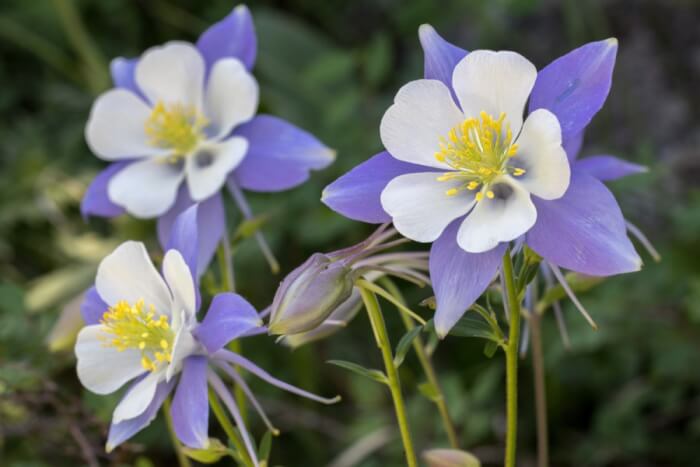
#5 Columbine
I am constantly amazed by columbine’s extraordinarily lovely flowers that come in such a wide variety of colors. The delicate, clover-like foliage is equally charming, yet slugs surprisingly want nothing to do with it. I personally think this perennial offers the perfect combination of beauty and pest resistance.
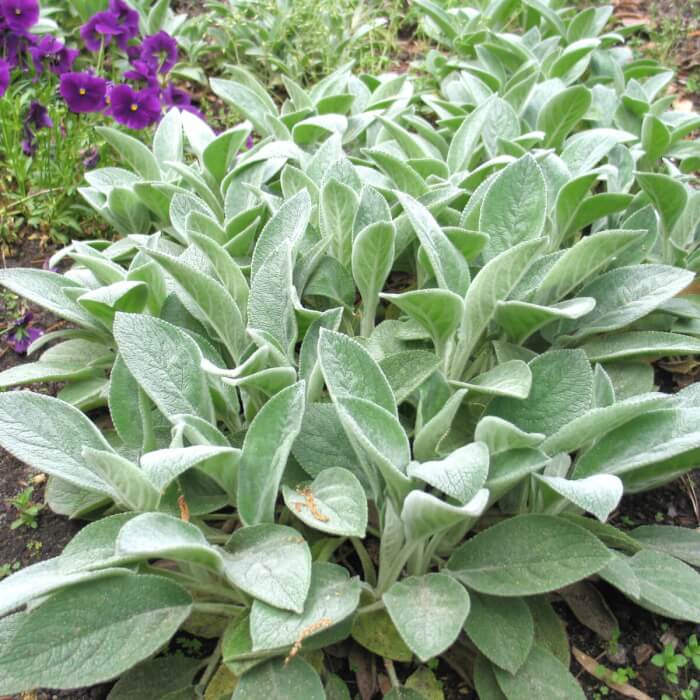
#6 Lamb’s Ears
I cannot resist stroking the incredibly soft, fuzzy leaves of lamb’s ears whenever I pass by. That dense hairy texture is exactly what makes it so unappealing to slugs—they simply cannot chew through it. I love using this plant as a ground cover where I need both beauty and natural pest control.
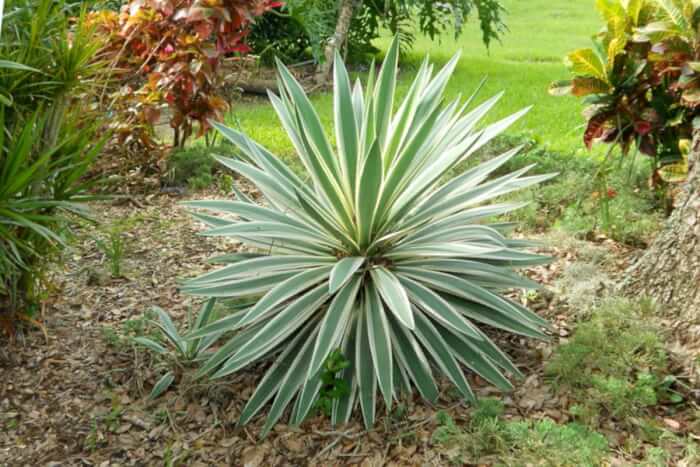
#7 Yucca
I planted yucca specifically because I knew those rigid, sword-like leaves would send slugs packing. The fibrous, tough texture is completely unappetizing to them, and the taste apparently doesn’t help either. I think this architectural plant adds such bold structure to my landscape while keeping pests at bay.
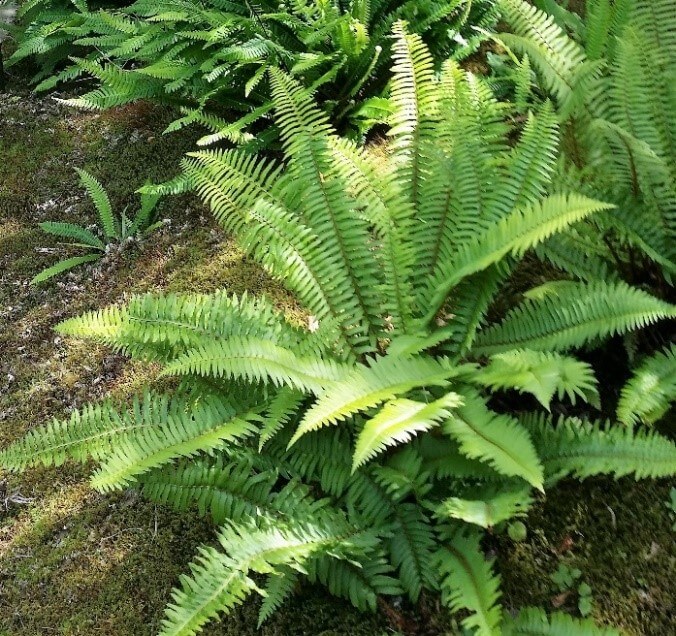
#8 Ferns
I have always loved ferns for the lush, prehistoric beauty they bring to my outdoor spaces. Even though they don’t produce flowers, their slug resistance alone makes them invaluable in my garden. I personally think their feathery fronds create such a calming, green backdrop that no blooming plant can match.
#9 Wormwood
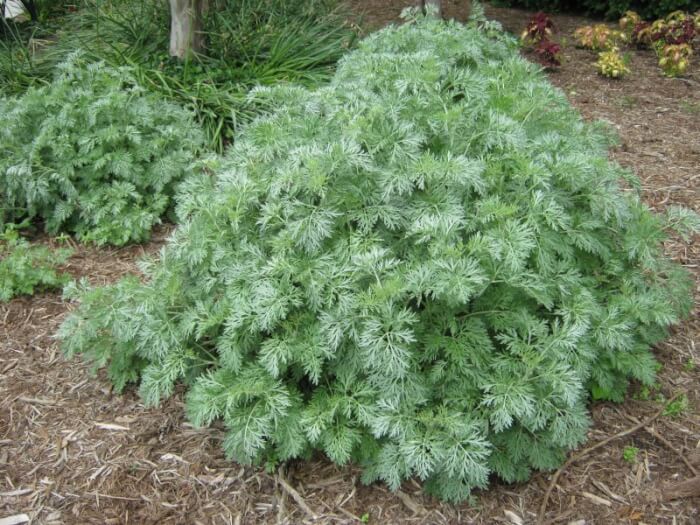
I am obsessed with wormwood’s stunning silver foliage that catches the light so beautifully in my borders. It forms such a neat, compact mound that works anywhere I need low-maintenance landscaping. I also love harvesting the fragrant leaves for wreaths, and that same strong scent is exactly what keeps slugs far away.
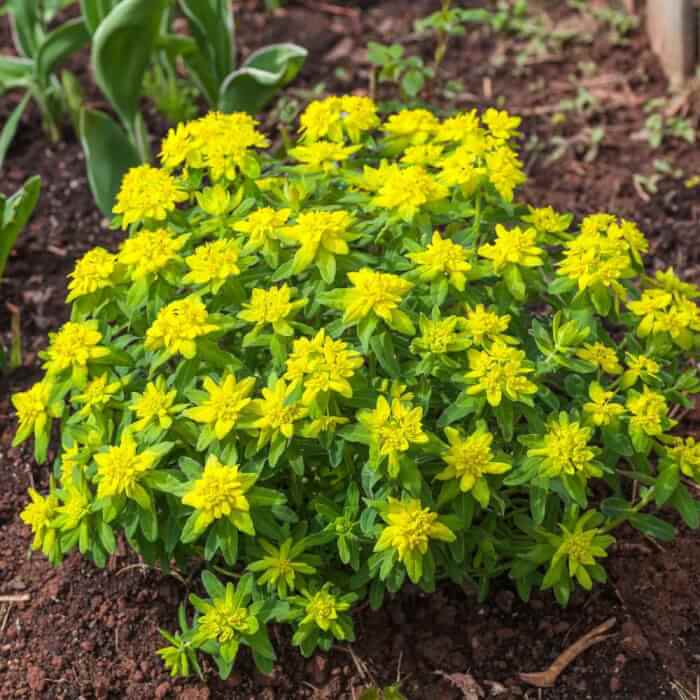
#10 Spurge
I appreciate spurge for its unique, architectural flowers that add such unexpected charm to my landscape. The bitter, milky sap inside its stems is what makes it so thoroughly slug-resistant. I do want to caution you though—euphorbias like purple wood spurge contain a toxic sap, so I always wear gloves when handling them.