Like other vegetables, eggplants are also subject to a number of irritating pests and diseases that cause growth problems and lead affect the yield. If your eggplants are getting into some trouble and need your help. Don’t worry, you are reading the right post to find methods.
Maybe this veggie is struggling with one of the most common garlic plant diseases. And we’ve rounded up 7 Common Eggplant Diseases along with some ways to remove them you shouldn’t miss out.
To harvest high production and quality, you should observe the common eggplant diseases as soon as possible. And these are common problems that almost every eggplant gardener has experienced when growing, so learning what insects and diseases eggplants will help you keep your garden healthy.
We hope that after reading this information, it will be useful for you.
1. Watch Out for Verticillium Wilt
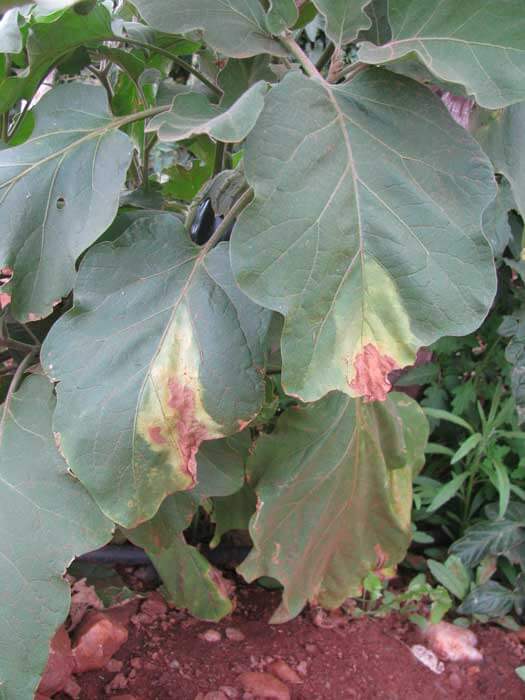
I have dealt with verticillium wilt in my own garden, and I can tell you it is one of the toughest fungal diseases to control. I usually spot it by the yellow blotches on the lower leaves and the way the leaf edges start to curl. In my experience, this fungus loves cool spring temperatures, so I always keep a close eye on my plants during that season.
2. Spot and Treat Cercospora Leaf Spot
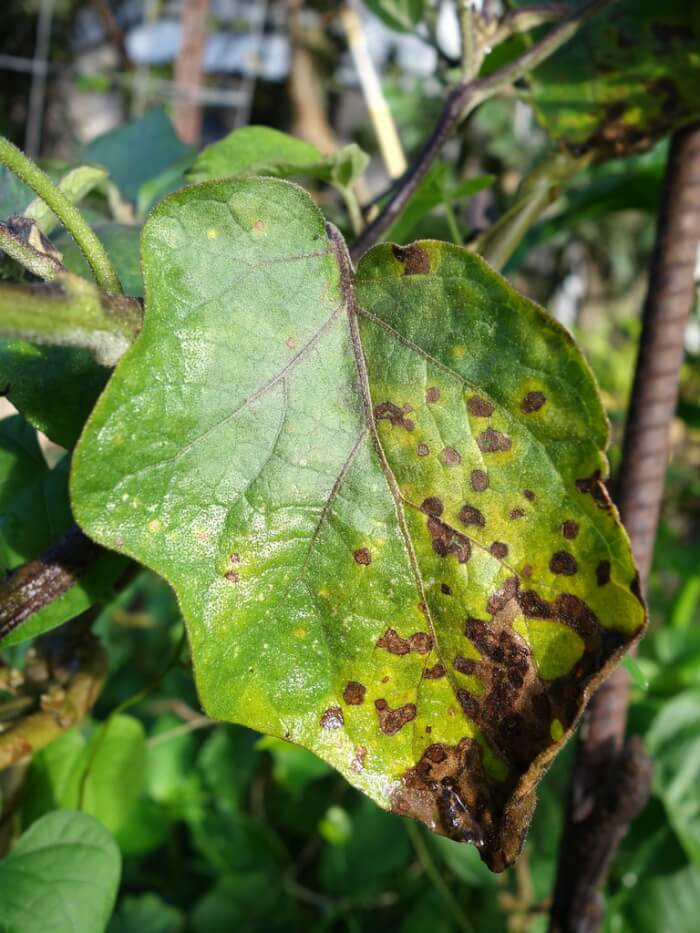
I remember the first time I saw those small circular brown spots on my eggplant leaves, and I knew something was wrong. From my perspective, proper spacing between plants is absolutely essential to improve airflow and prevent this fungus from spreading. I also make sure to water at the base and use fungicides when I notice the spots getting worse.
3. Prevent Damping Off in Seedlings
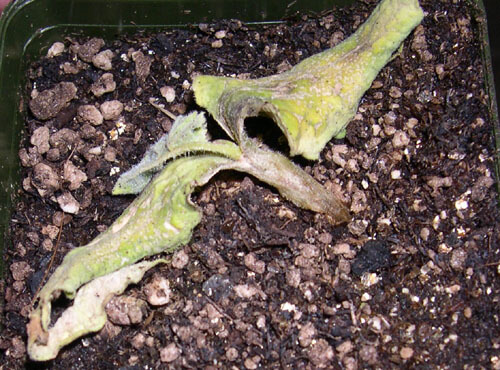
I have lost more seedlings than I care to admit to damping-off, and it is incredibly frustrating. Personally, I now make sure my seedling area has excellent air circulation and I never water from the top. In my experience, bottom watering and drip irrigation in the garden make a huge difference.
4. Tackle Blossom-End Rot Early
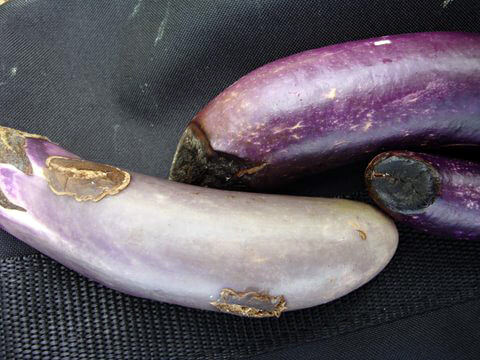
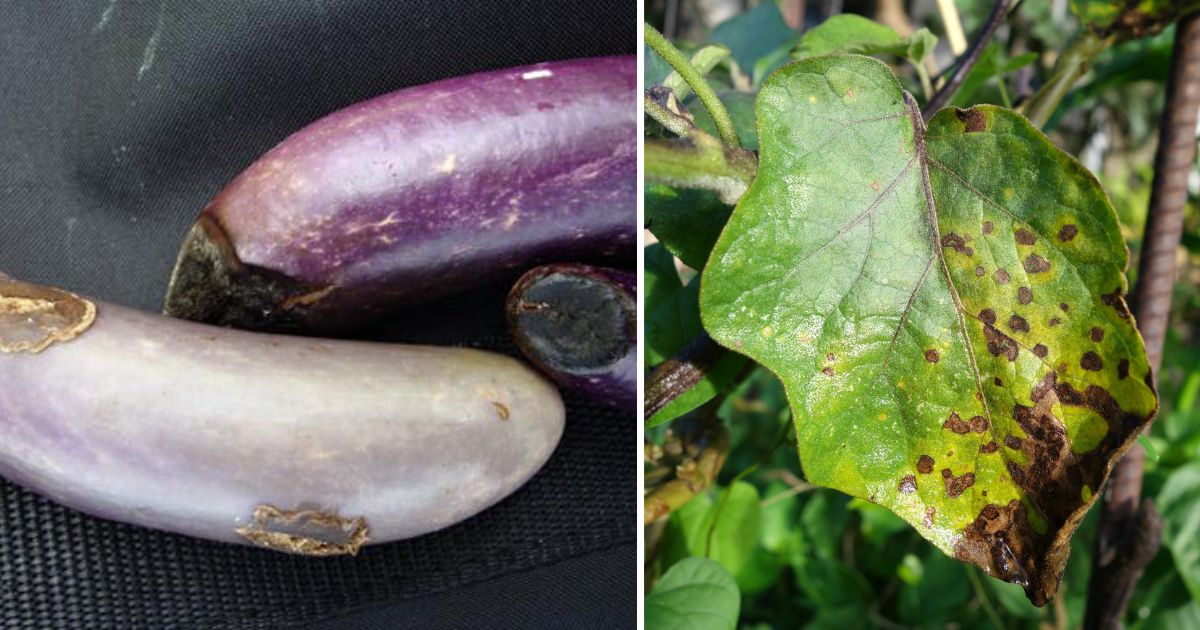
I always feel a little heartbroken when I see those water-soaked spots on the blossom end of my eggplants. In my opinion, this issue is almost always tied to calcium deficiency, so I pay close attention to my soil nutrients. I also avoid disturbing the roots and keep my nitrogen levels balanced to protect my harvest.
5. Keep Powdery Mildew Under Control
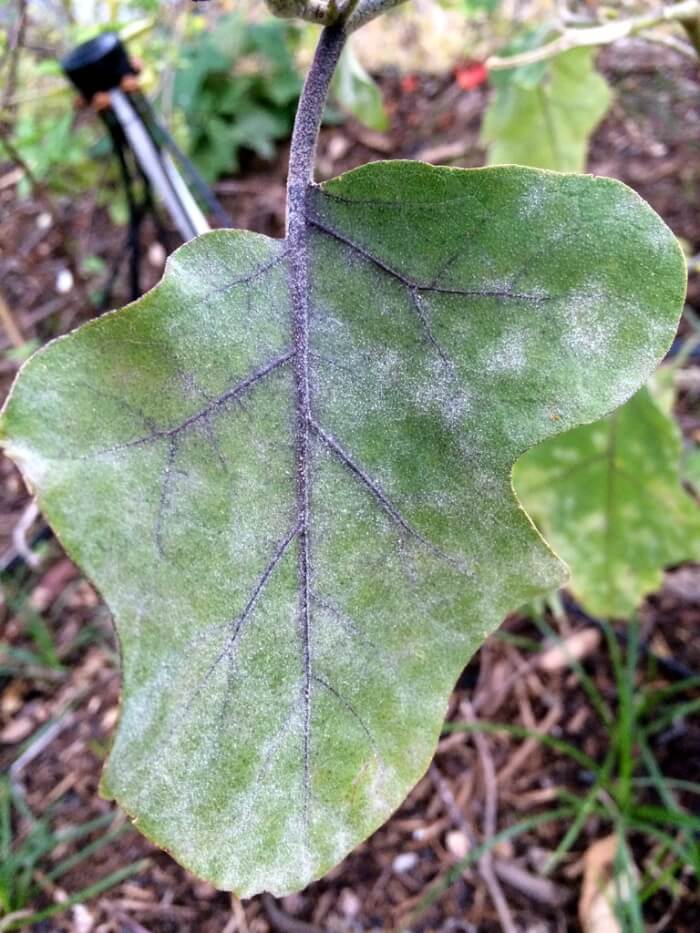
I dread seeing that white powdery coating on my eggplant leaves because it spreads so quickly. From my experience, watering from below instead of overhead is one of the best ways to keep this fungus away. I also prune my plants regularly to boost airflow and mulch around the base for extra protection.
6. Deal with Anthracnose Fruit Rot
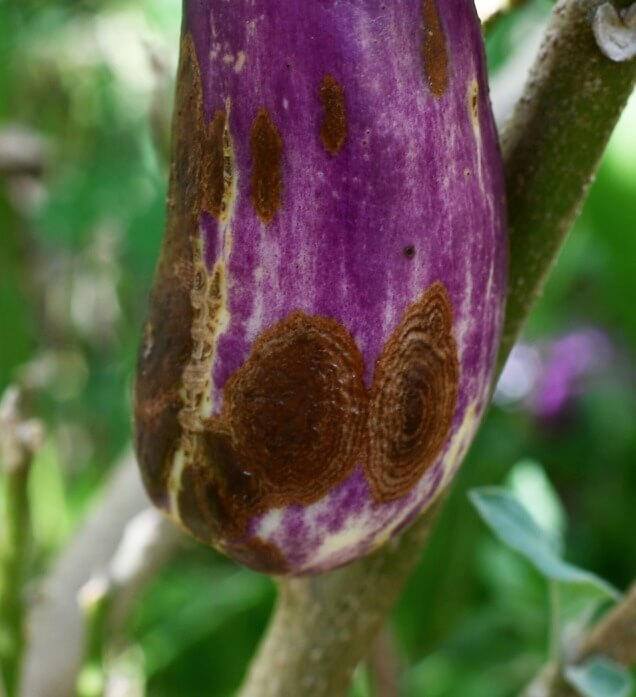
I have watched small sunken spots on my eggplants grow into large, jelly-covered lesions, and it is not a pretty sight. Personally, I take immediate action by removing any diseased plant parts and pruning affected areas. In my view, staying proactive is the only way to save the rest of your crop.
7. Fight Early Blight Before It Spreads
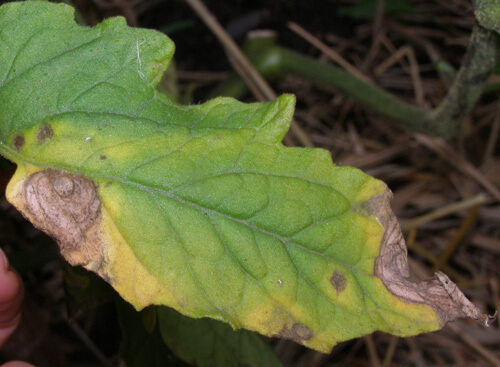
I always panic a little when I see those brown-black spots covering my eggplant leaves. From my perspective, early blight moves fast once the fruit starts setting, so timing is everything. I personally apply fungicide at the very first sign of trouble to keep my plants healthy and productive.