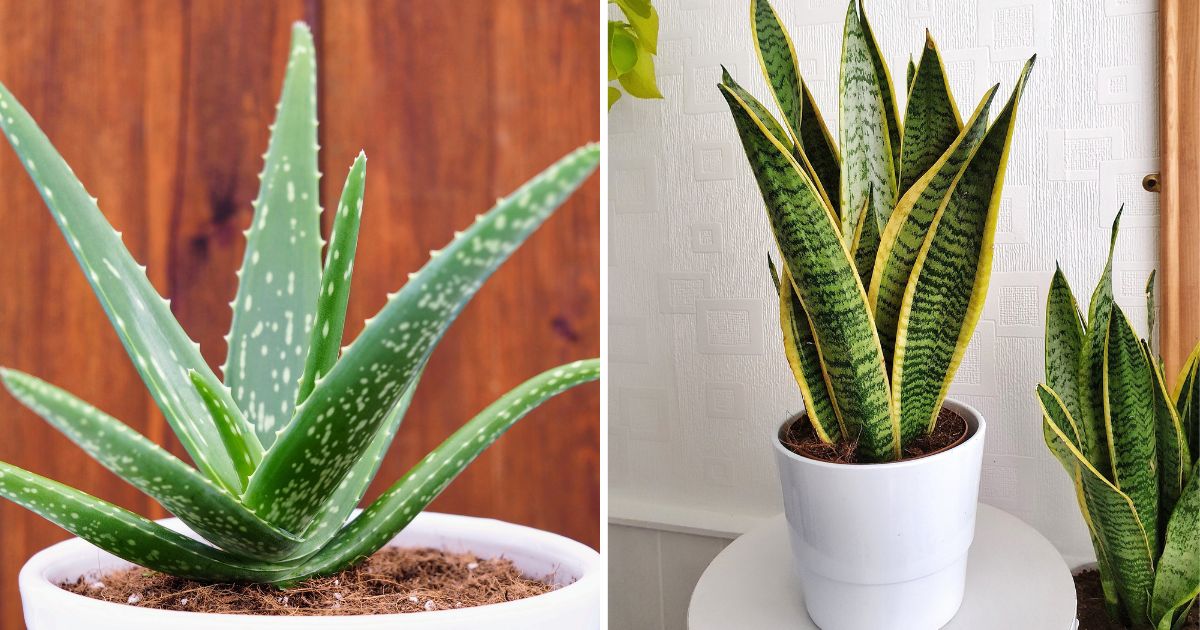
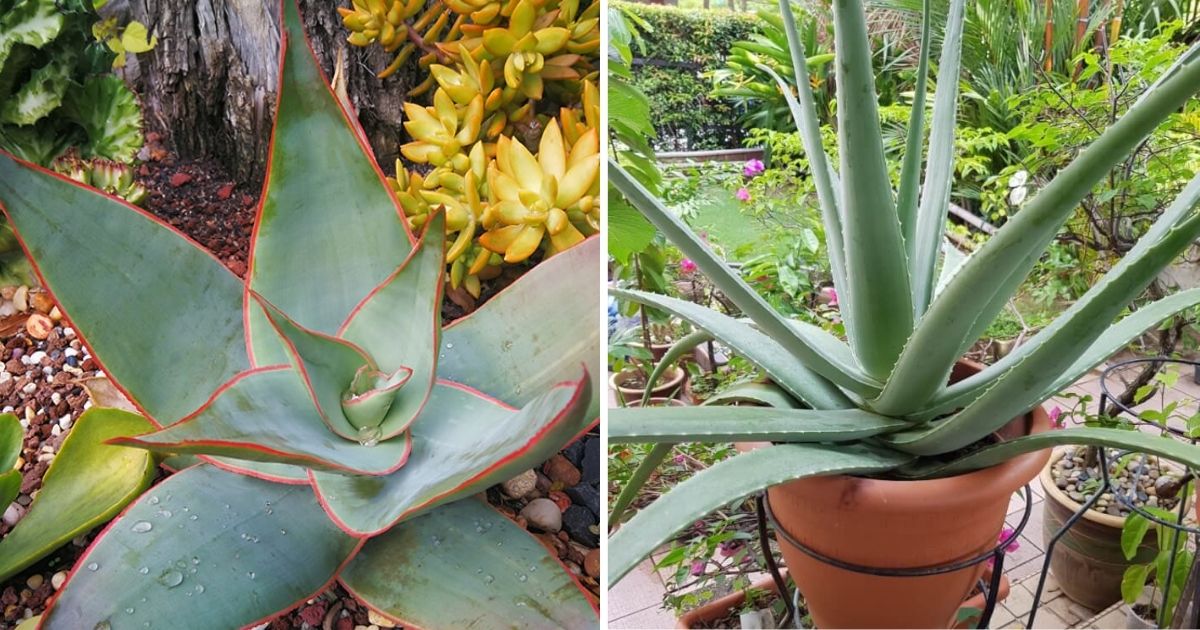
Aloe Vera is not only a beautiful plant but also is a great plant both in medicine and cosmetics. In fact, more than aloe vera! If you love this succulent type, let’s explore other species that belong to the genus. Here is the list of the 21 Different Aloe Varieties You Can Grow In Containers that you will love growing indoors or outdoors.
Scrolling down, they are so beautiful, right? Each has its own beauty to liven up any space of your home. Growing them you will have a stunning look for the whole landscaping.
Not only bring natural beauty to the home but also they are also easy to grow and don’t require any condition care as long as getting enough water and a part of the sun. Whether you don’t have many gardening experiences, you can grow them successfully. Keep reading and choose some you want to grow now.
1. Lace Aloe (Aloe Aristata): Delicate White Dots in Compact Form
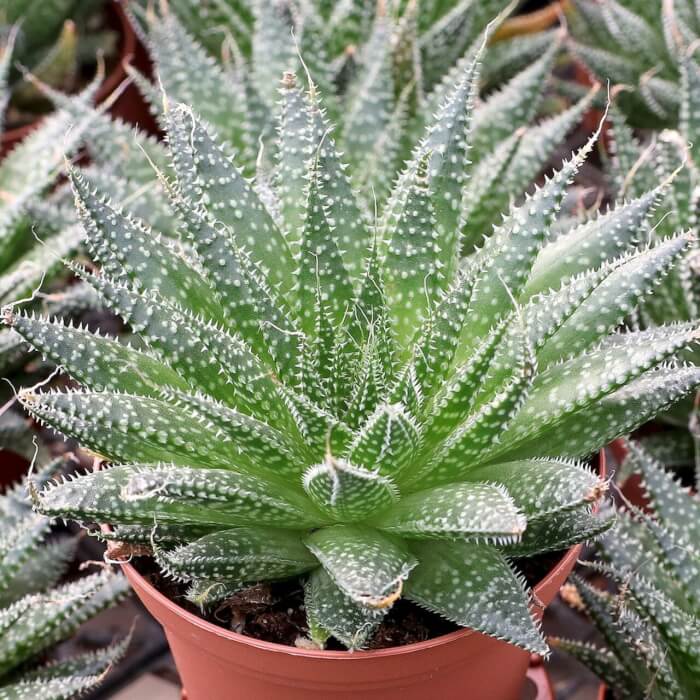
I absolutely adore Lace Aloe because its leaves have such delicate raised white dots that look like intricate lacework. They are somewhat spiny near the base, which adds interesting texture. I find it perfect for small spaces since it only grows 6 to 10 inches tall and wide. This compact beauty is one of my favorite choices for windowsill collections.
2. Red Aloe (Aloe Cameronii): Copper Foliage in Full Sun
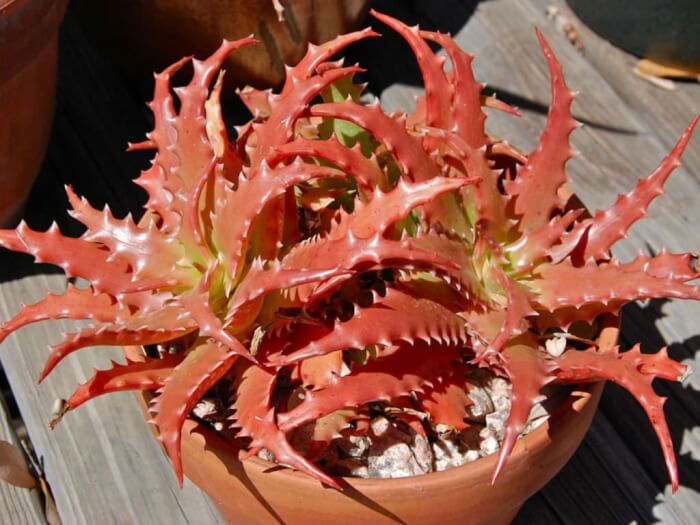
I am completely mesmerized by Red Aloe because it displays such beautiful copper red foliage when exposed to full sunlight. It is a slow-growing variety with low watering needs, which I think makes it incredibly easy to care for. The dramatic color transformation is something I never tire of watching. This is my go-to plant for adding fiery warmth to any succulent arrangement.
3. Cape Aloe (Aloe Ferox): Giant Architectural Statement
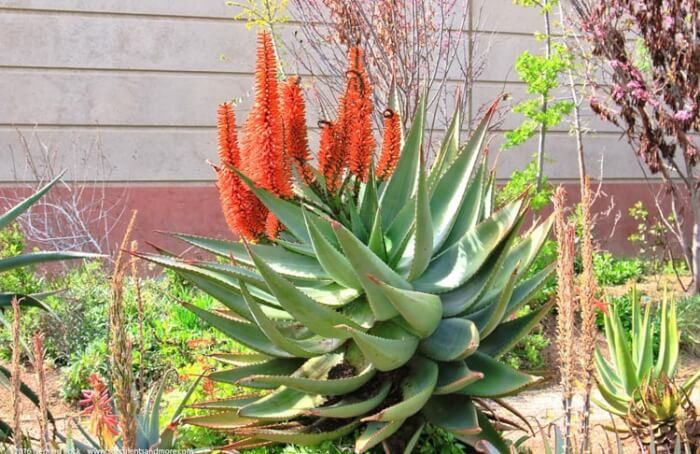
I find Cape Aloe absolutely impressive because it is a giant variety that presents such a great architectural show when grown outside in a frost-free climate. The tall, single stem topped with a rosette of fierce, spiny leaves creates such a commanding presence. I think this is perfect for large containers on patios where it can truly show off its scale. This aloe is my statement piece for dramatic outdoor landscaping.
4. Guido Aloe (Aloe ‘Guido’): Patchy Rosettes for Small Pots
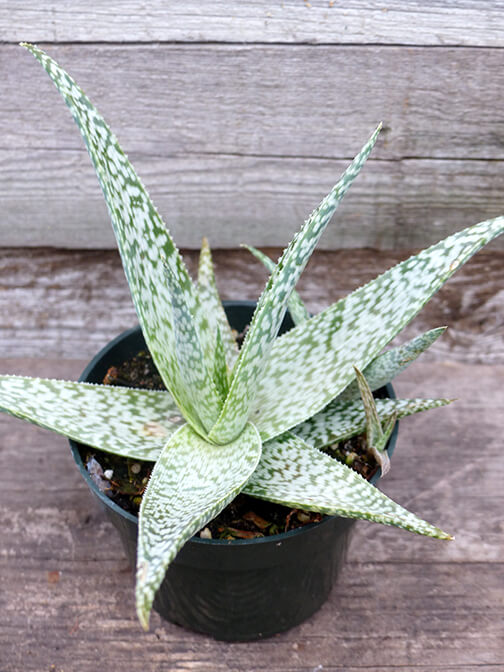
I think Guido Aloe is absolutely exquisite because it is a hybrid variety with such attractive green and white-colored rosette-shaped patchy foliage. It lives happily in small decorative containers or pots, which I find perfect for desk gardens. The compact size and striking pattern make it look almost artificially designed. This is my favorite option for adding modern art to tiny spaces.
5. Tiger Tooth Aloe (Aloe Juvenna): Compact Clumps for Warm Spots
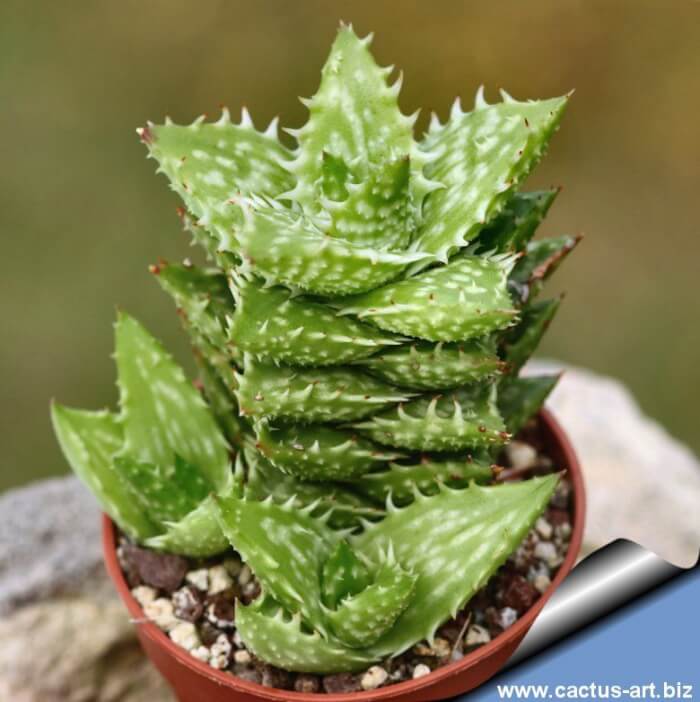
I absolutely love Tiger Tooth Aloe because it forms such charming small clumps that look like tiny stacked rosettes. I grow mine indoors or outdoors in containers placed in a warm spot that receives some sun. The toothed leaves create such interesting texture and dimension. This is my most recommended variety for beginners who want something unique yet forgiving.
6. Tiger Aloe (Gonialoe Variegata): Striped Swords of Green and White
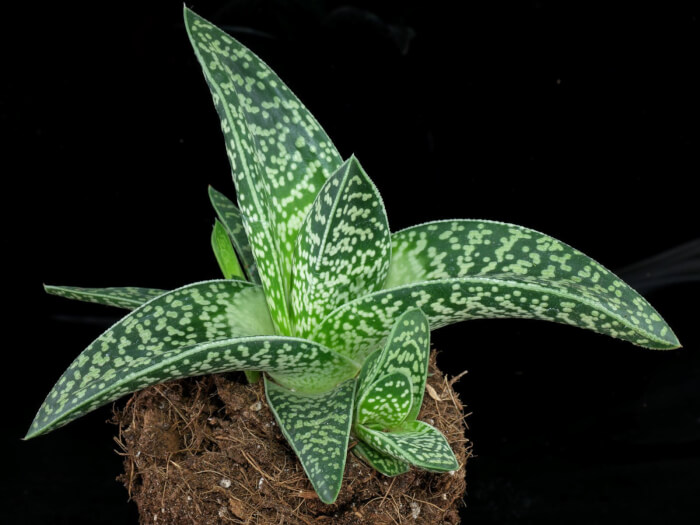
I find Tiger Aloe absolutely striking because it has distinctly small sword-shaped fat foliage adorned with amazingly white strips marked on green leaves. The pattern reminds me of zebra stripes, which I think is so visually captivating. It stays compact and neat, making it ideal for orderly displays. This is my top pick for anyone who loves bold, graphic patterns in their plant collection.
7. Candelabra Aloe (Krantz Aloe): Vibrant Flowers in Shade
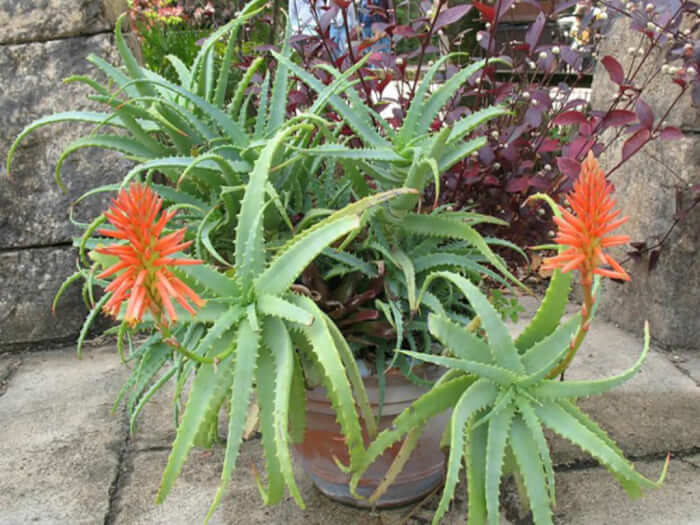
I am completely charmed by Candelabra Aloe because it is a shade-tolerant shrub-like succulent that bears such attractive flowers. The vibrant shades of red and orange appear on branching stems, creating a true candelabra effect. I think this is perfect for spots that get filtered light where other aloes might struggle. The profuse blooming makes it one of my most rewarding aloes for floral display.
8. Aloe Vera (Aloe Barbadensis): The Classic Medicinal Marvel
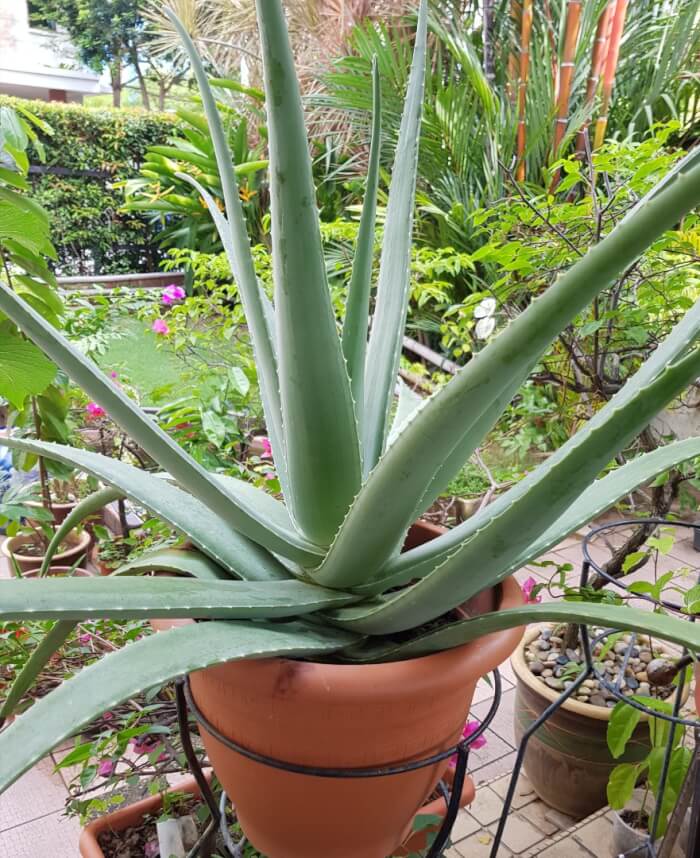
I absolutely treasure Aloe Vera because it is not only an ornamental plant but also the most valuable medicinal plant in the world. I keep mine in the kitchen for instant access to soothing gel for burns and skin irritations. The thick, fleshy leaves with serrated edges are so recognizable and comforting. This is my must-have plant for every home, both for beauty and practical first-aid use.
9. Sunset Aloe (Aloe Dorotheae): Glossy Red Transformation
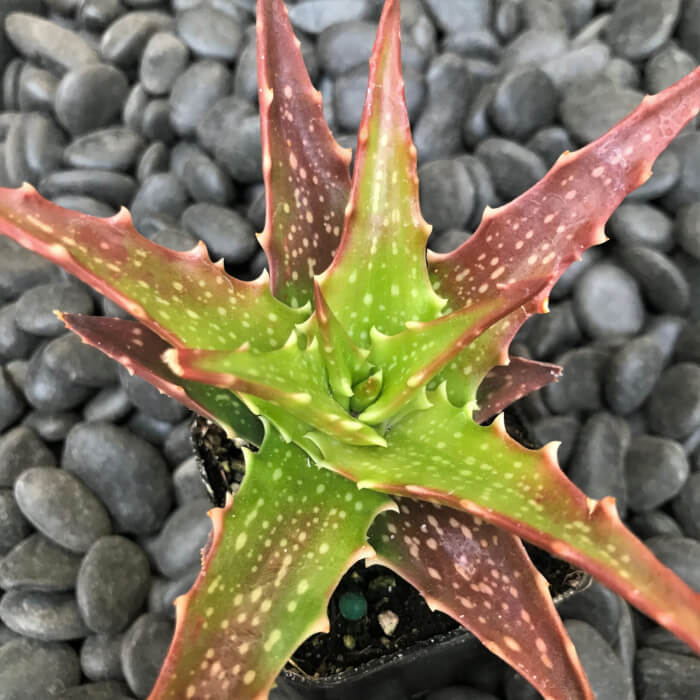
I think Sunset Aloe is absolutely magical because it turns light green in partial shade but becomes a terrific glossy red in full sun. The leaves develop white spikes along their edges that add such beautiful contrast. In winter and spring, it produces greenish-yellow flowers that complement the fiery foliage perfectly. This is my favorite chameleon plant for watching the dramatic color shift with the seasons.
10. Fan Aloe (Aloe Plicatilis): Sculptural Statement for Entryways
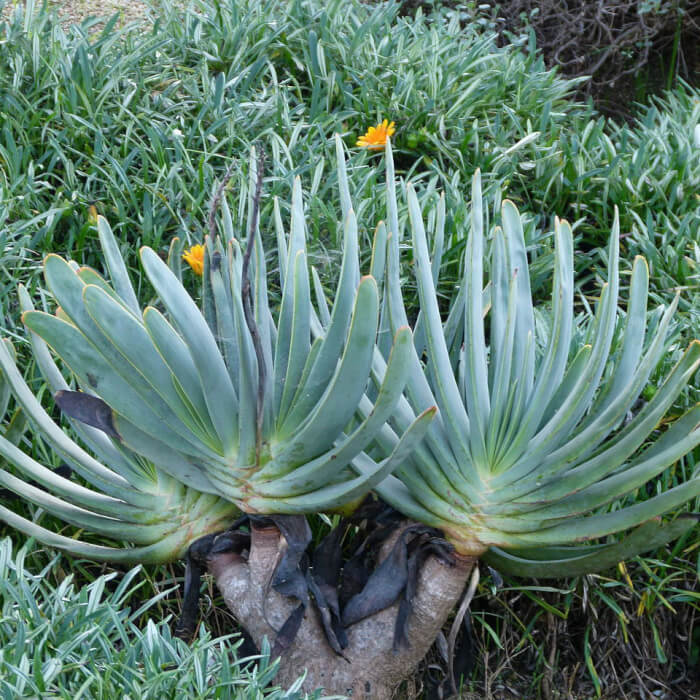
I find Fan Aloe absolutely breathtaking because it can create such a decorative statement plant for any garden or entryway. I give mine a large pot in a warm location that receives some sun for the best growth. In winter, I shift the plant indoors to protect it from cold weather, which keeps it thriving year after year. The fan-shaped arrangement of leaves is unlike any other aloe I have ever grown.
11. Coral Aloe (Aloe Striata): Toothless Pink Beauty
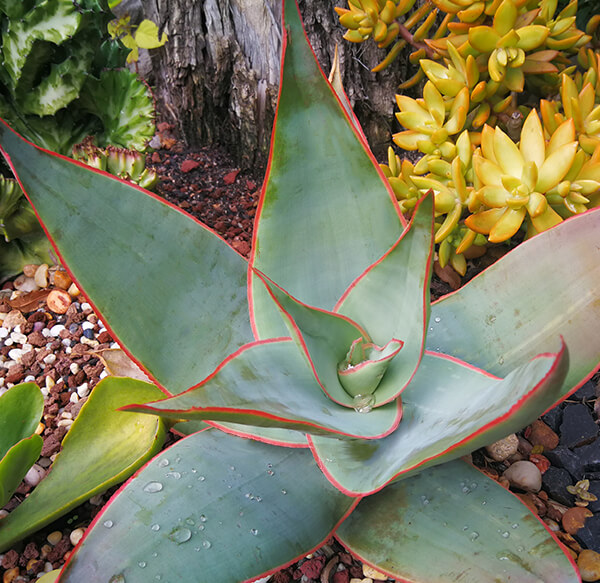
I am completely in love with Coral Aloe because it has such a lovely pink shade on its appealing big broad leaves, which is how it got its name. Unlike other common aloe varieties, it is completely toothless with no spikes on the leaf edges. I find the true rosy-pink color appears most vibrantly in full sun. This is my top recommendation for a soft, romantic look in succulent containers.
12. Short Leaf Aloe (Aloe Brevifolia): Color-Changing Rosettes
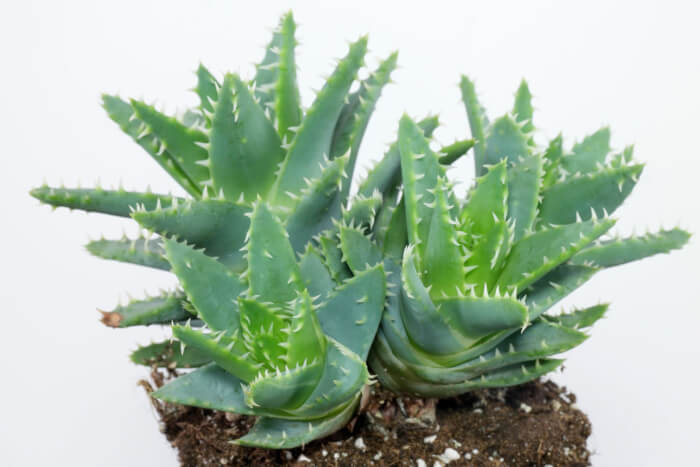
I absolutely enjoy Short Leaf Aloe because it is a rosette-forming succulent with short gray-green fleshy leaves in part sun. The most exciting part is watching them turn into reddish pink in full sun, which I think is such a delightful surprise. It stays low and spreads nicely, making it great for ground cover effects in pots. This is my favorite for adding color-changing interest to small spaces.
13. Soap Aloe (Aloe Maculata): Year-Round Foliage and Flowers
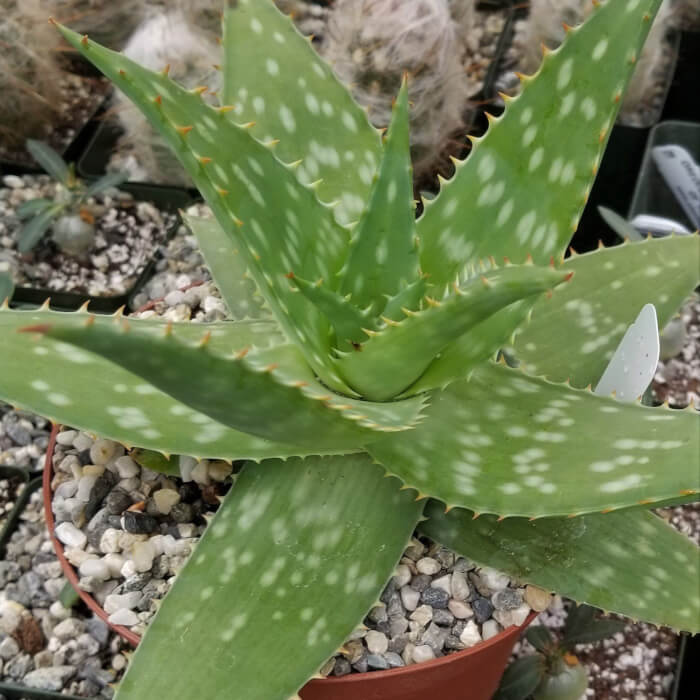
I find Soap Aloe absolutely reliable because it is an evergreen perennial succulent that shows foliage and flowers year-round. Its deep bluish-green foliage perks up perfectly in a part shade spot outdoors or indoors. I love that it never goes dormant, providing constant color and texture. This is my go-to aloe for non-stop garden performance in any season.
14. Aloe Caesia (Aloe x Principis): The Best of Both Parents
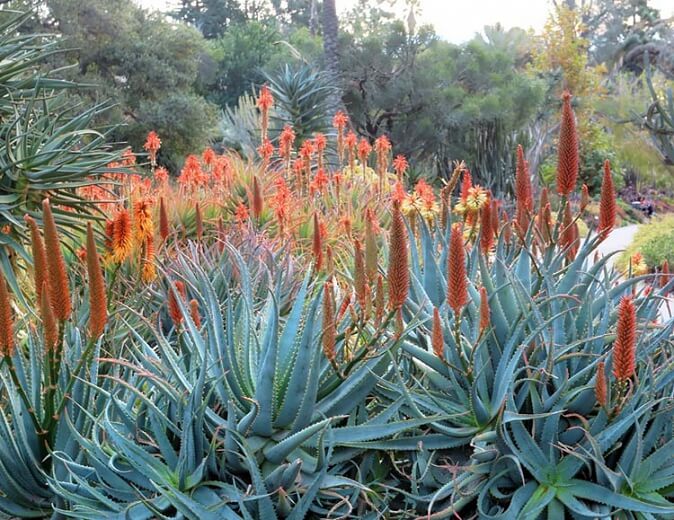
I think Aloe Caesia is absolutely fascinating because it is a cross between Aloe ferox and Aloe arborescens. It grows tall but not as heavy as Aloe ferox, and shows much more orderly growth than Aloe arborescens. I find this hybrid nature gives it the best qualities of both parents. This is my favorite architectural aloe for creating structured, elegant displays.
15. Spiral Aloe (Aloe Polyphylla): Nature’s Perfect Geometry
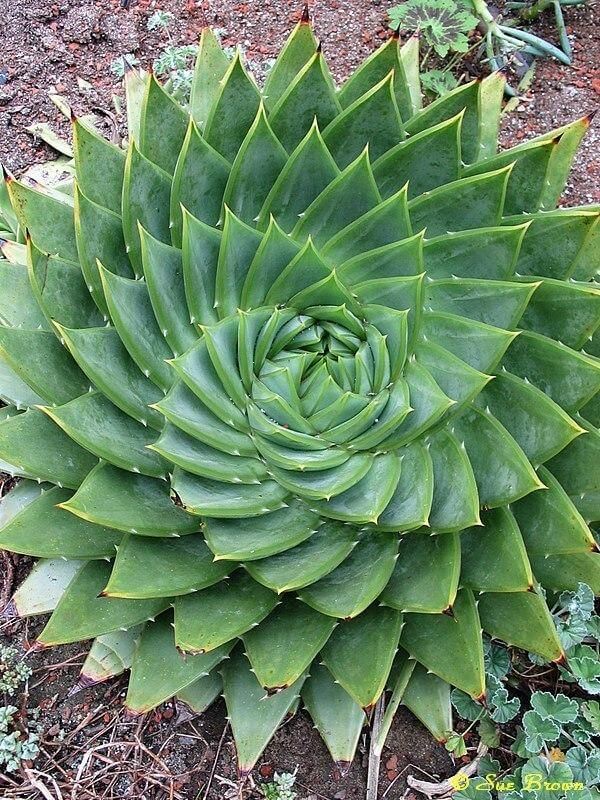
I am completely obsessed with Spiral Aloe because it forms such a unique rosette of bluish-green leaves in a perfect spiral pattern. As the plant ages, the spiral forms in either clockwise or anticlockwise direction, which I find absolutely mesmerizing. It is considered one of the most beautiful and rare aloes in the world. This is my ultimate dream plant for anyone who appreciates mathematical perfection in nature.
16. Somalian Aloe (Aloe Somaliensis): Textured Foliage with Pink Blooms
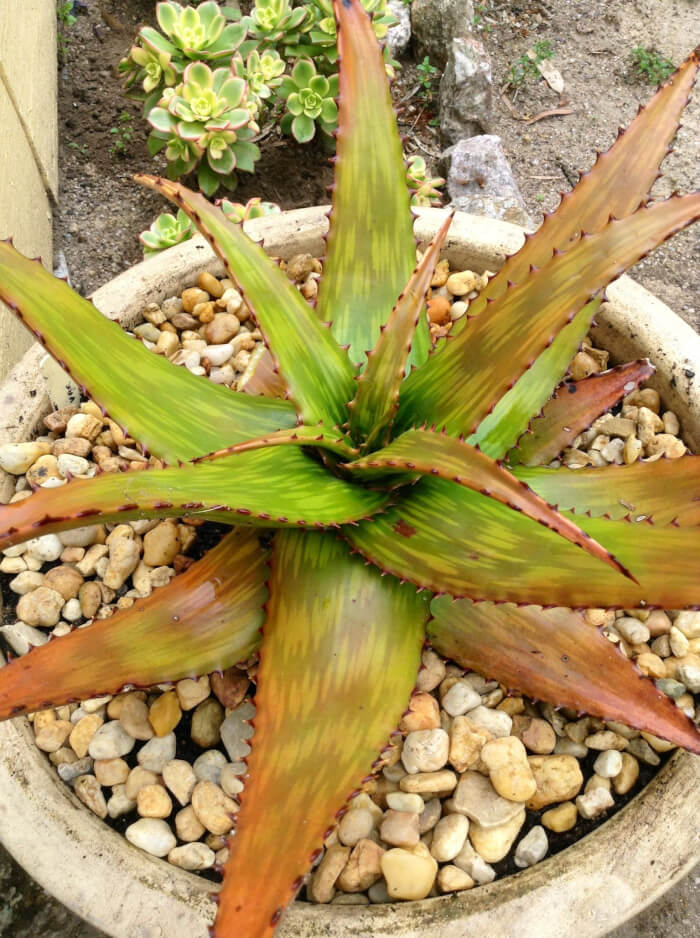
I find Somalian Aloe absolutely gorgeous because it shows off green and white textured foliage that looks almost like reptile skin. It bears pink to red tubular flowers in summer that add such a lovely pop of color. I think the rough texture contrasts beautifully with smoother succulents in mixed containers. This is my favorite for adding tactile interest and exotic flair to any collection.
17. Aloe Descoingsii: Tiny Rosettes with Magical White Spots
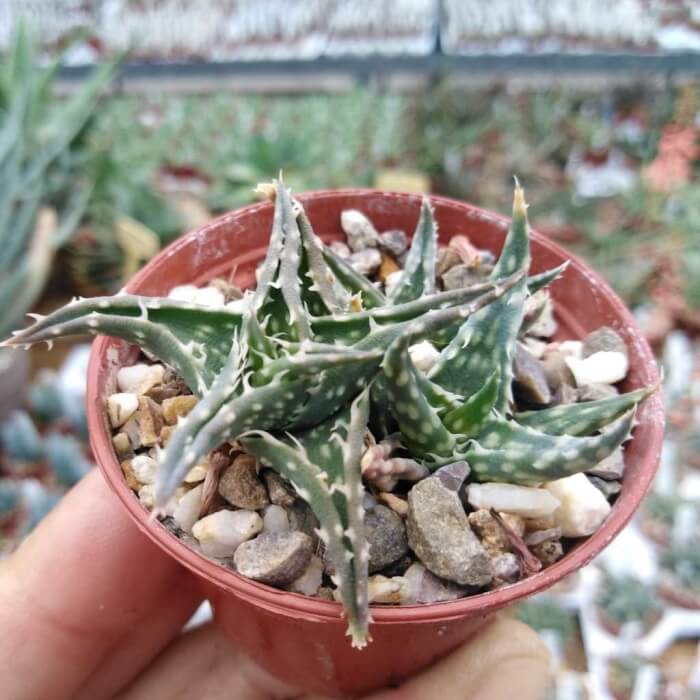
I absolutely adore Aloe Descoingsii because it produces such tiny, charming rosettes perfect for miniature gardens. The dark green leaves have magical white spots along with serrated white edges that seem to entwine from the center. During spring to summer, it blooms yellow to orange colored flowers on delicate stems. This is my most precious small aloe for fairy gardens and tiny terrariums.
18. Crosby’s Prolific (Aloe ‘Crosby’s Prolific’): Alluring Reddish-Orange
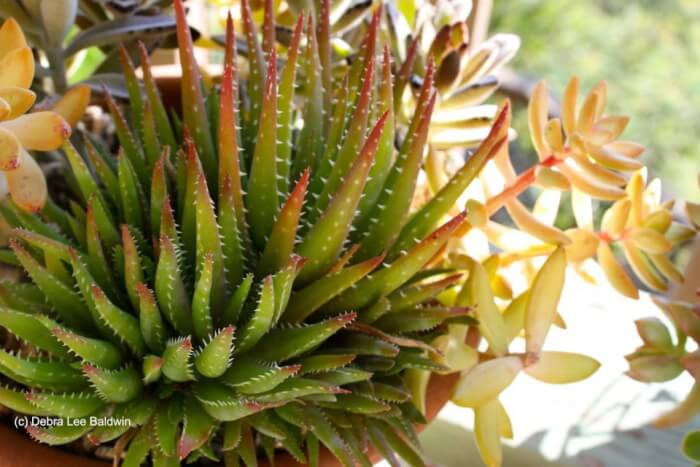
I think Crosby’s Prolific is absolutely stunning because it forms rosettes of deep green foliage with lots of teeth and speckled skin. The leaves turn into an alluring reddish-orange when placed in sunlight, which I find incredibly dramatic. It is a prolific pup producer, so I always have babies to share with friends. This is my top pick for a colorful, multiplying display.
19. Aloe Capitata (Aloe Capitata var. Quartziticola): Bell-Shaped Orange Blooms
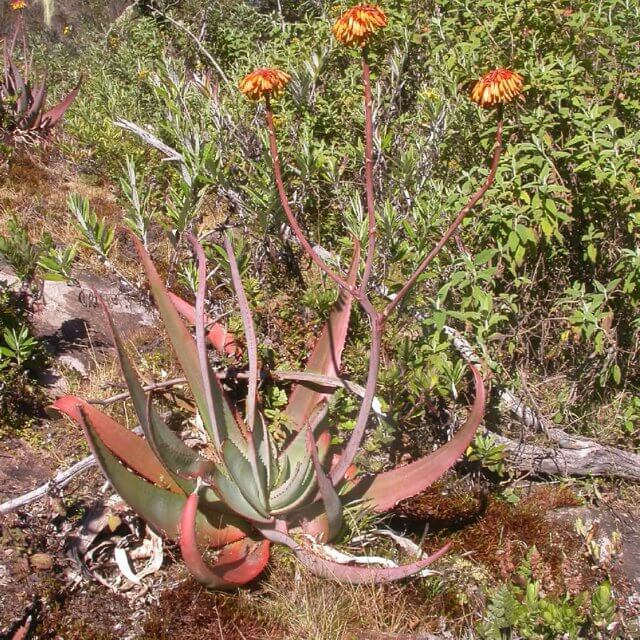
I am completely captivated by Aloe Capitata because it has such showy fat leaves splashed with vibrant bluish pink shade. The color deepens to pink or light red in full sun, while red margined edges adorned with sharp but small teeth add beautiful detail. It blooms bell-shaped flowers of orange shade that I find absolutely delightful. This is my favorite flowering aloe for container displays.
20. Spider Aloe (Aloe Humilis): Low-Growing Clusters of Tiny Rosettes
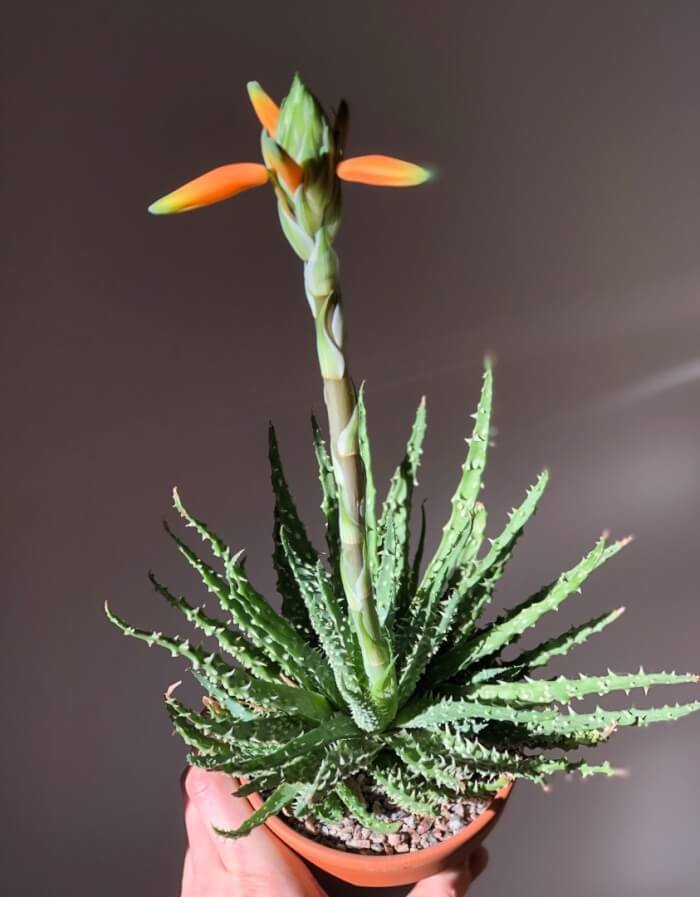
I find Spider Aloe absolutely charming because it is a low-growing variety with beautiful clusters of stemless rosettes growing closely together. The leaves are small and covered with irregular tiny white spines that look like spider legs. It bears flowers in shades of red, orange, and bright yellow that rise above the foliage. This is my favorite ground-cover aloe for spilling over pot edges.
21. Carmine Aloe (Aloe ‘Carmine’): Dark Orange Edges for Contrast
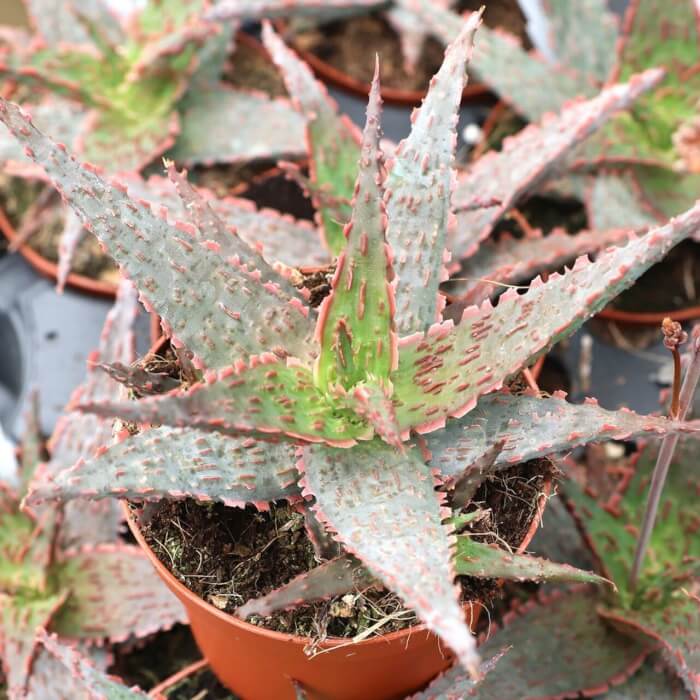
I think Carmine Aloe is absolutely striking because its leaves have dark orange edges with toothed margins that create such bold contrast. I find it goes perfectly with containers of contrasting colors, making the whole arrangement pop. The compact size and intense coloration make it look almost artificially vibrant. This is my final favorite for adding a fiery finishing touch to any succulent collection.