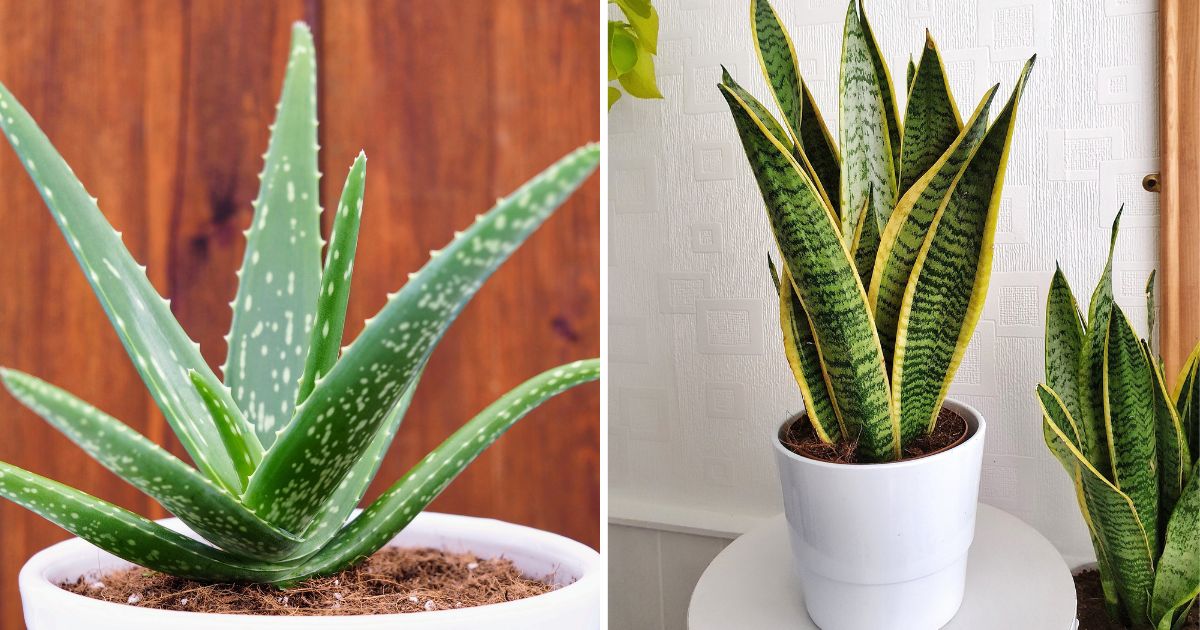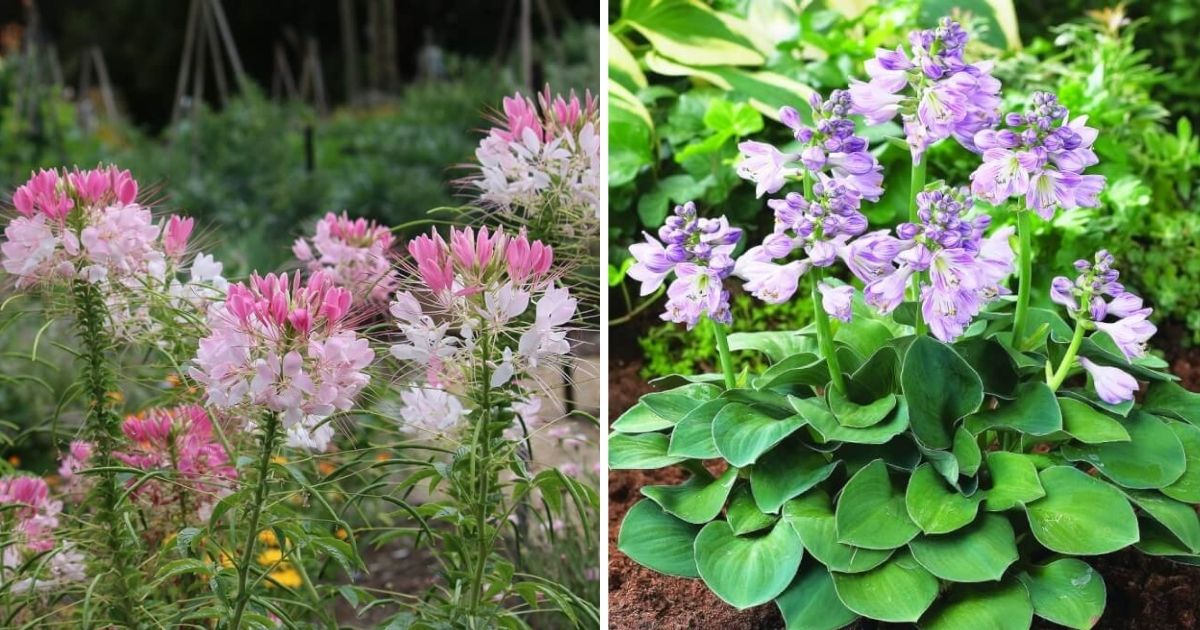
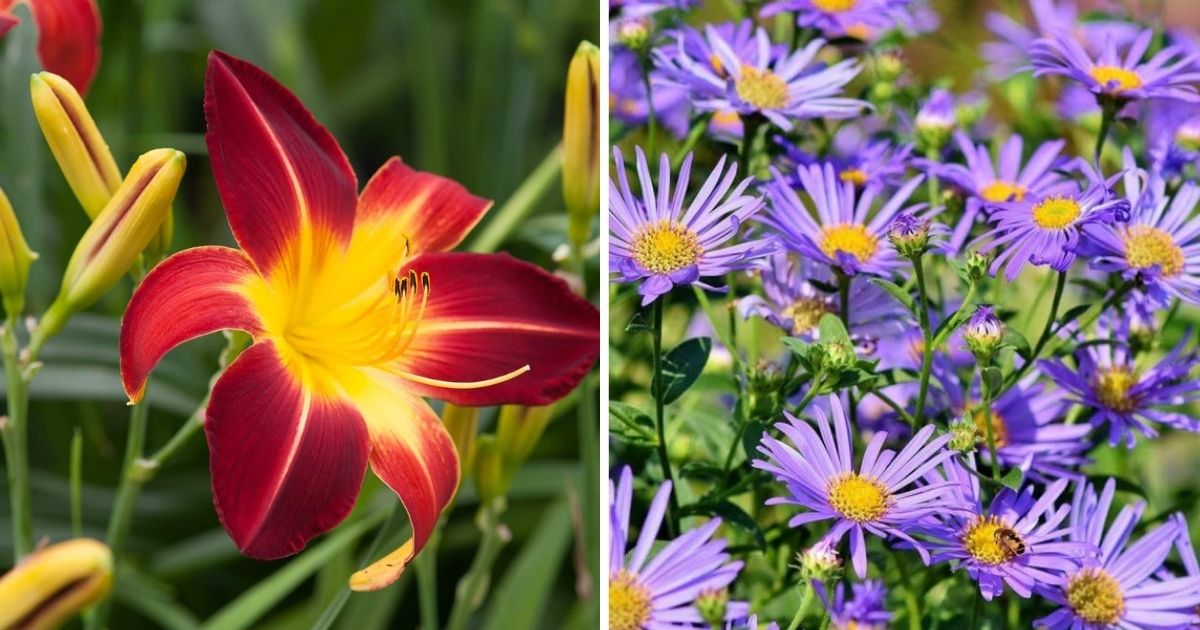
Dreaming of a multi-layered, luscious garden? Plan your garden to include perennial flowers and plants. Perennials are about the long game and a cost-effective one at that, as opposed to the immediate satisfaction that flashy annuals provide. You’ll have a low-maintenance landscape with perennial blooms and leaves once they’re established.
The choices might be confusing if you’re new to gardening. However, we’re here for you with a list of our brilliant 25 perennials including spring, summer, fall, and yes, even winter bloomers.
#1. Daylily
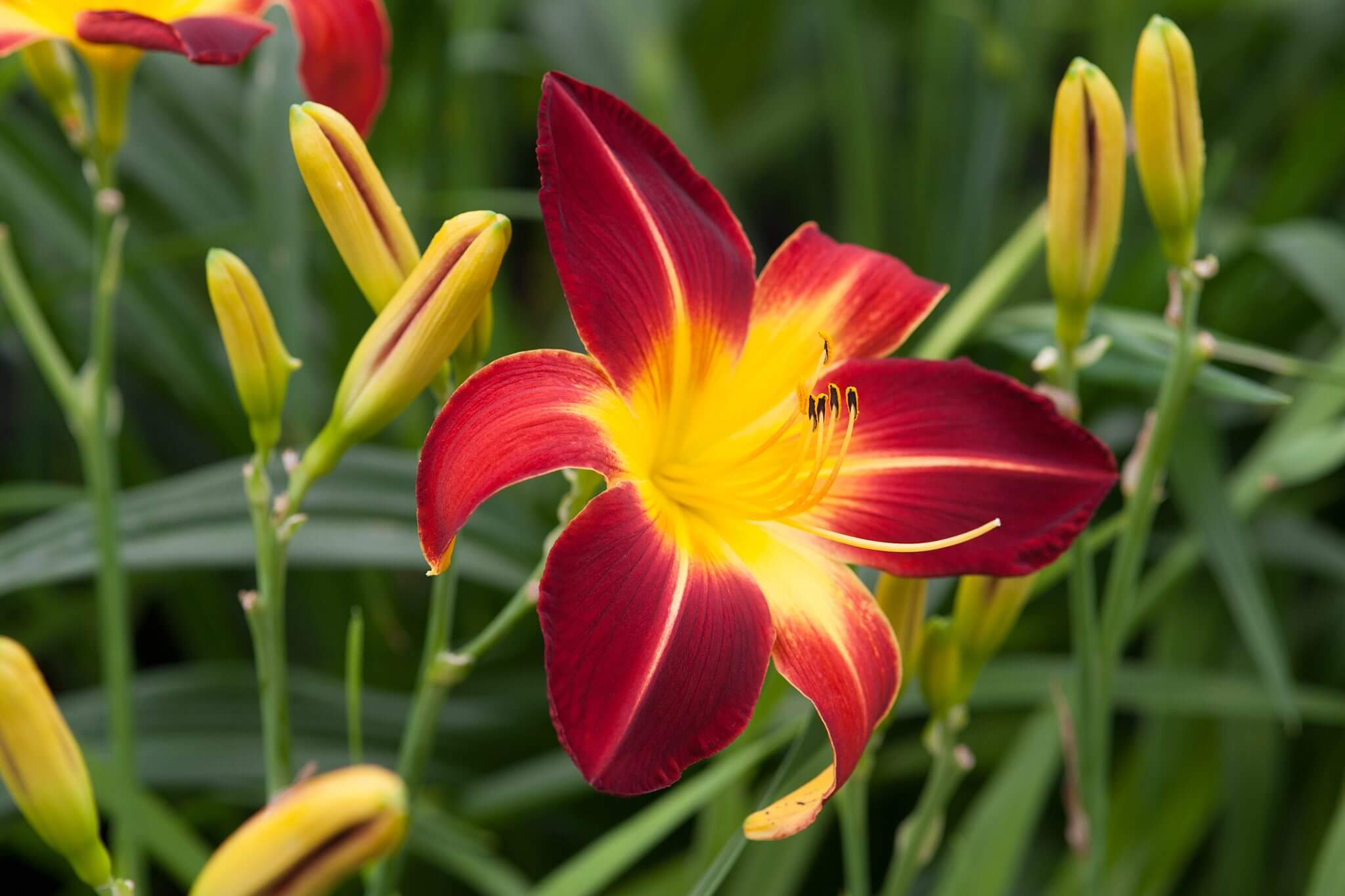
Source: Gardeners World
Daylilies need 4-6 hours of direct sunlight every day, thus they should be planted in full sun or soft shade. While daylilies require whole light, they will occasionally bloom in the shade of large trees.
#2. Amsonia
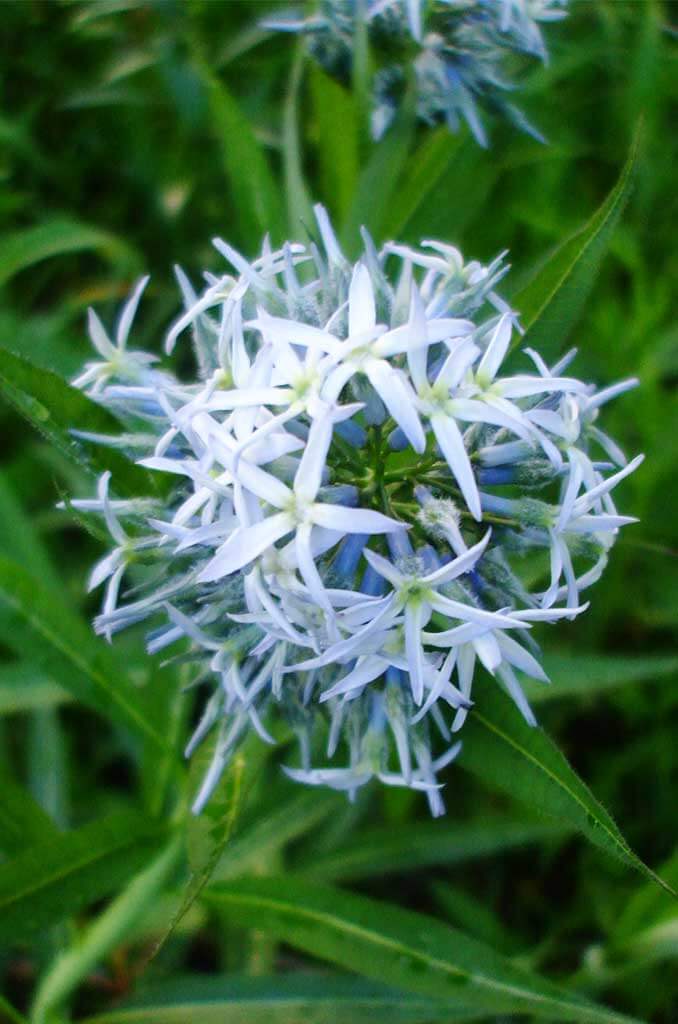
Source: Prairie Moon Nursery
Though most at home in partial shade and rich organic soil with good moisture retention, it is also tolerant of drought once established and will thrive in full sun and lean soils.
#3. Salvia
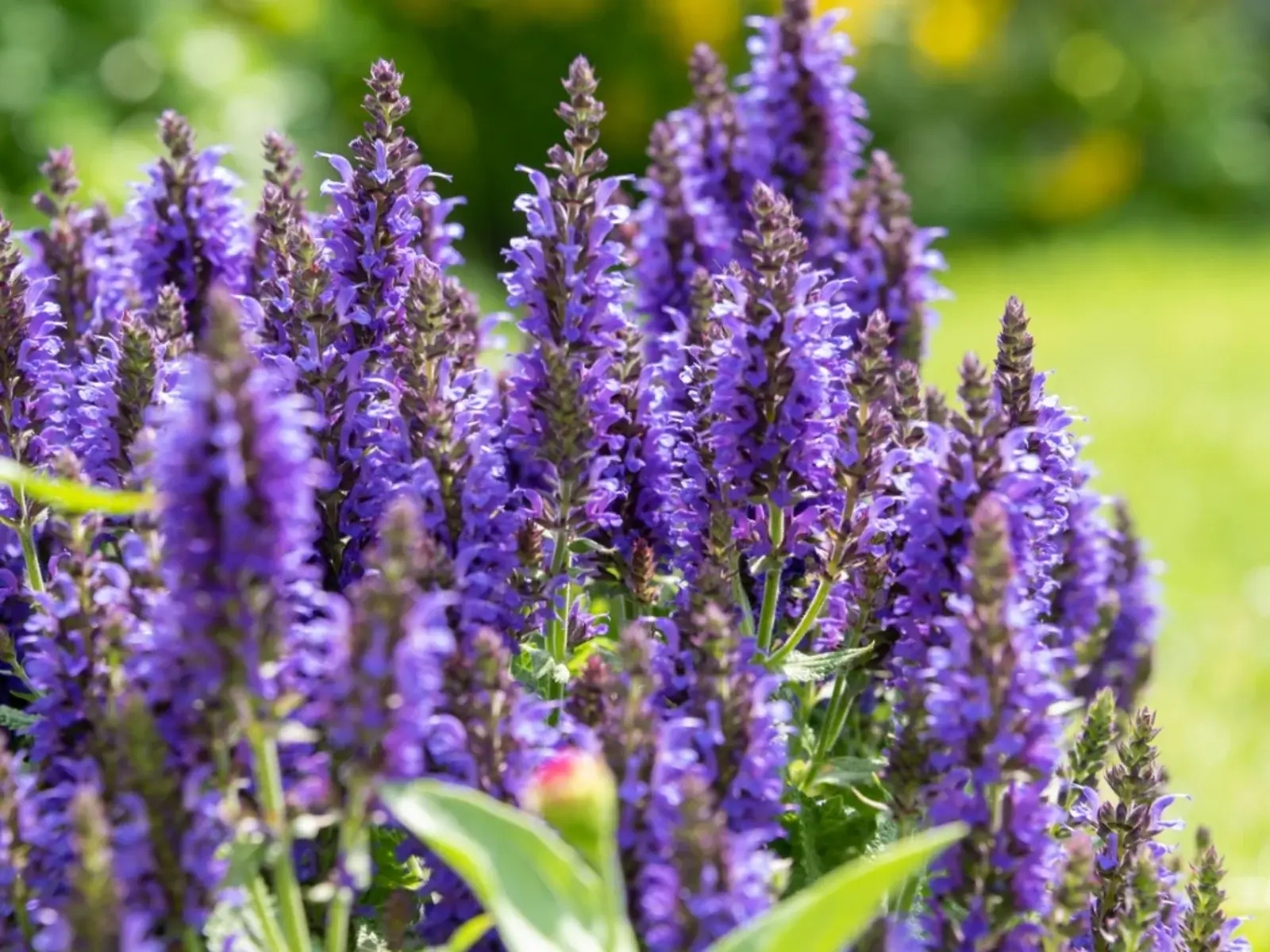
Source: Gardening Know How
Some salvias will bloom well in some shade, but most prefer full sun and well-drained soils. Once planted, most salvia species can withstand drought well and don’t need much maintenance.
#4. Sedum
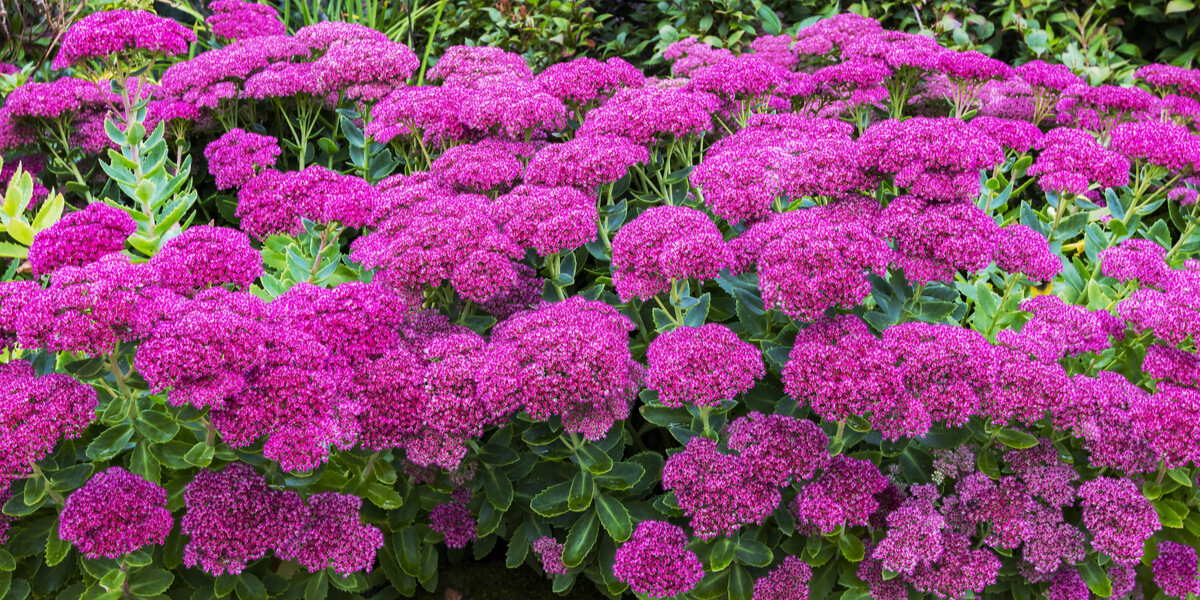
Source: This Is My garden
Although most salvias like full sun and well-drained soil, some of them may still bloom in partial shade. Once grown, the majority of salvia species are quite drought-tolerant and bear little maintenance.
#5. Black-Eyed Susan
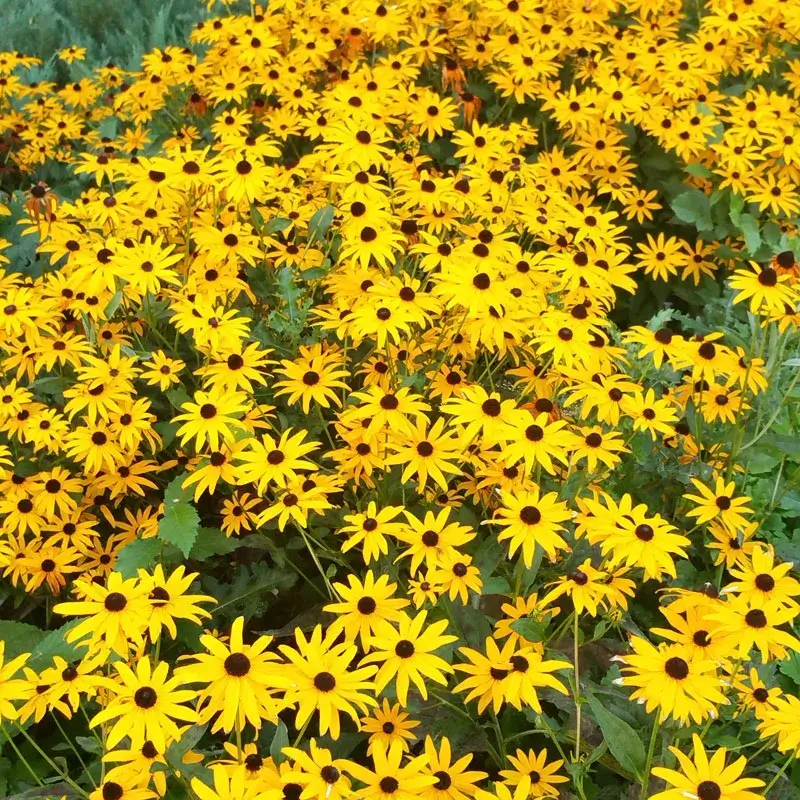
Source: High Country Gardens
Full light is ideal for growing Black-Eyed Susans (at least 6 to 8 hours per day). While they can take some shade, ultimately you may notice them growing and extending toward the sun.
#6. Lavender
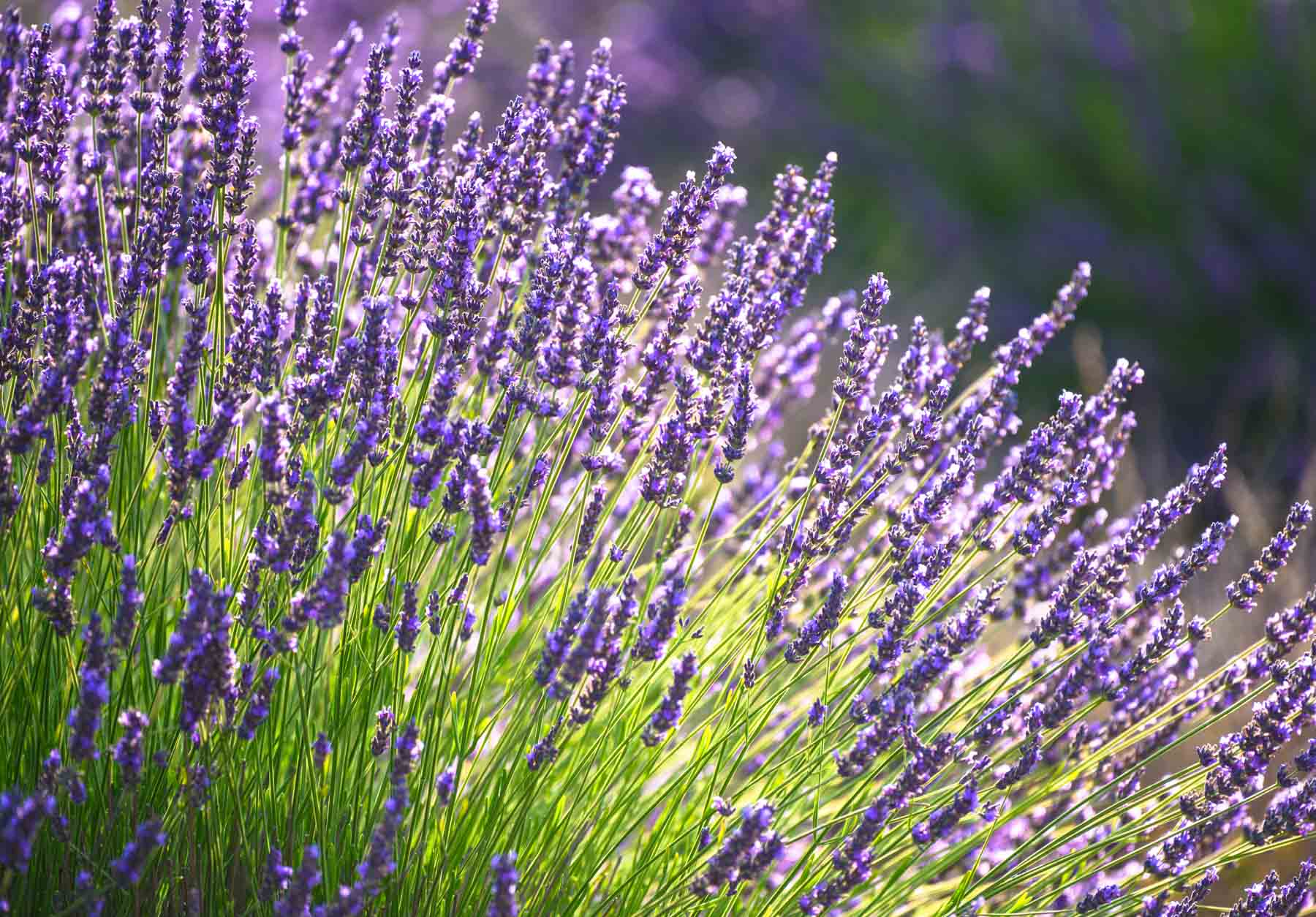
Source: Bonnie Plants
Although midday shade may be welcomed in the warmest climes, lavenders require full sun. Plants are fairly drought tolerant when they grow up, although they blossom best if moisture is prevented from drying out.
#7. Asters
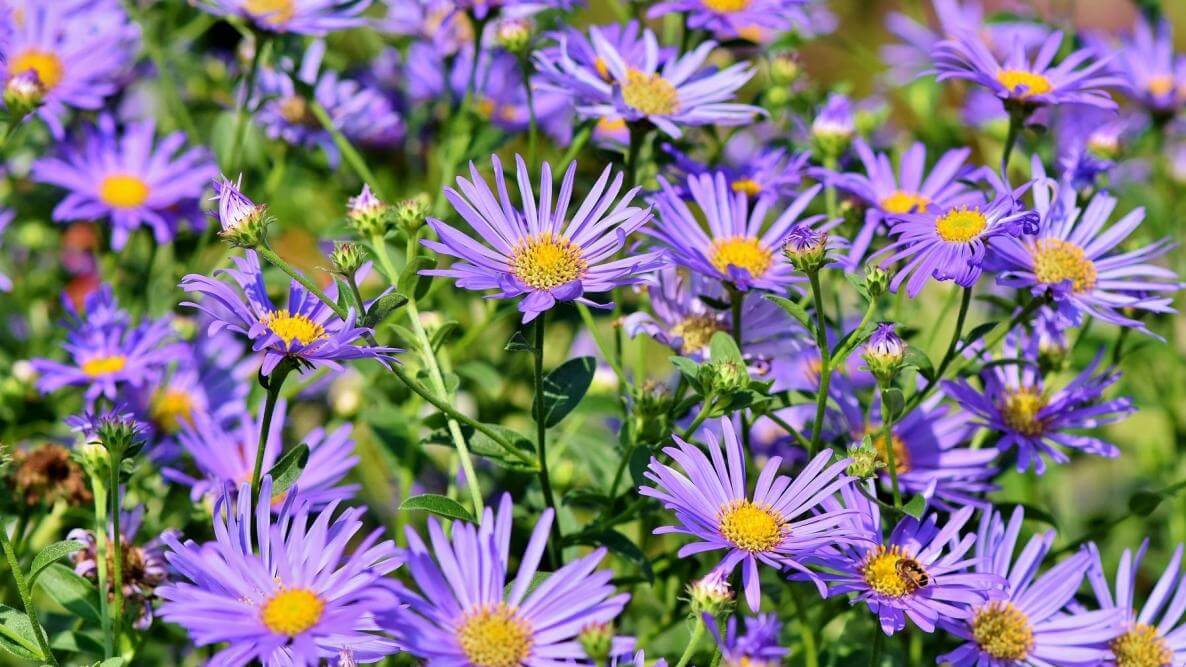
Source: The Old Farmer’s Almanac
In full light, Asters flourish and thrive best. While certain kinds can withstand some shade, they produce fewer blooms. In loamy, well-drained soil, asters thrive.
#8. Baptisia
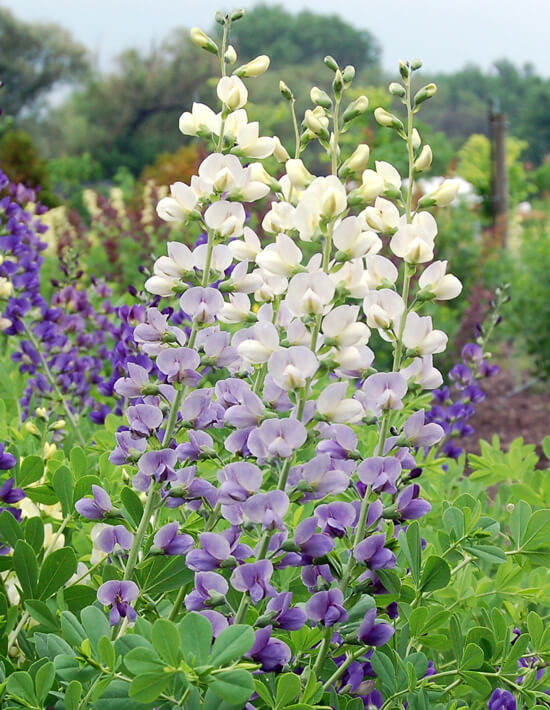
Source: Midwest Living
For vigorous, healthy development, Baptismia requires at least six hours of direct sunlight. To keep them compact and flower-producing, plant them in a sunny area.
#9. Catmint
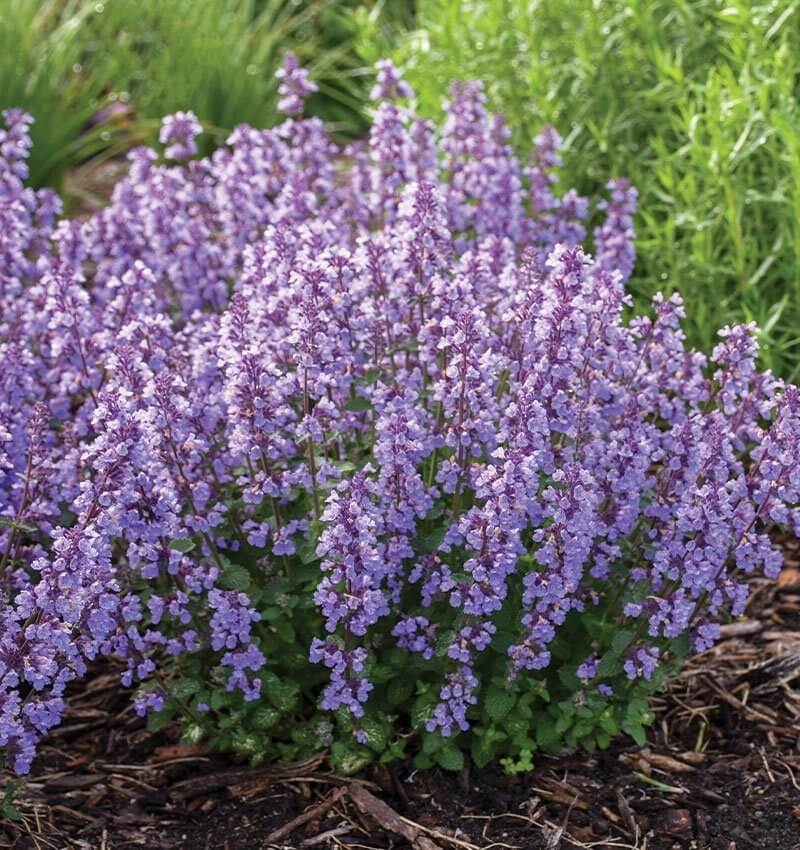
Source: Johnson’s Nursery
Catmint needs at least six hours of direct sunlight each day to blossom at its best. When all threat of frost has passed, plant catmint in the garden during the colder spring or fall months.
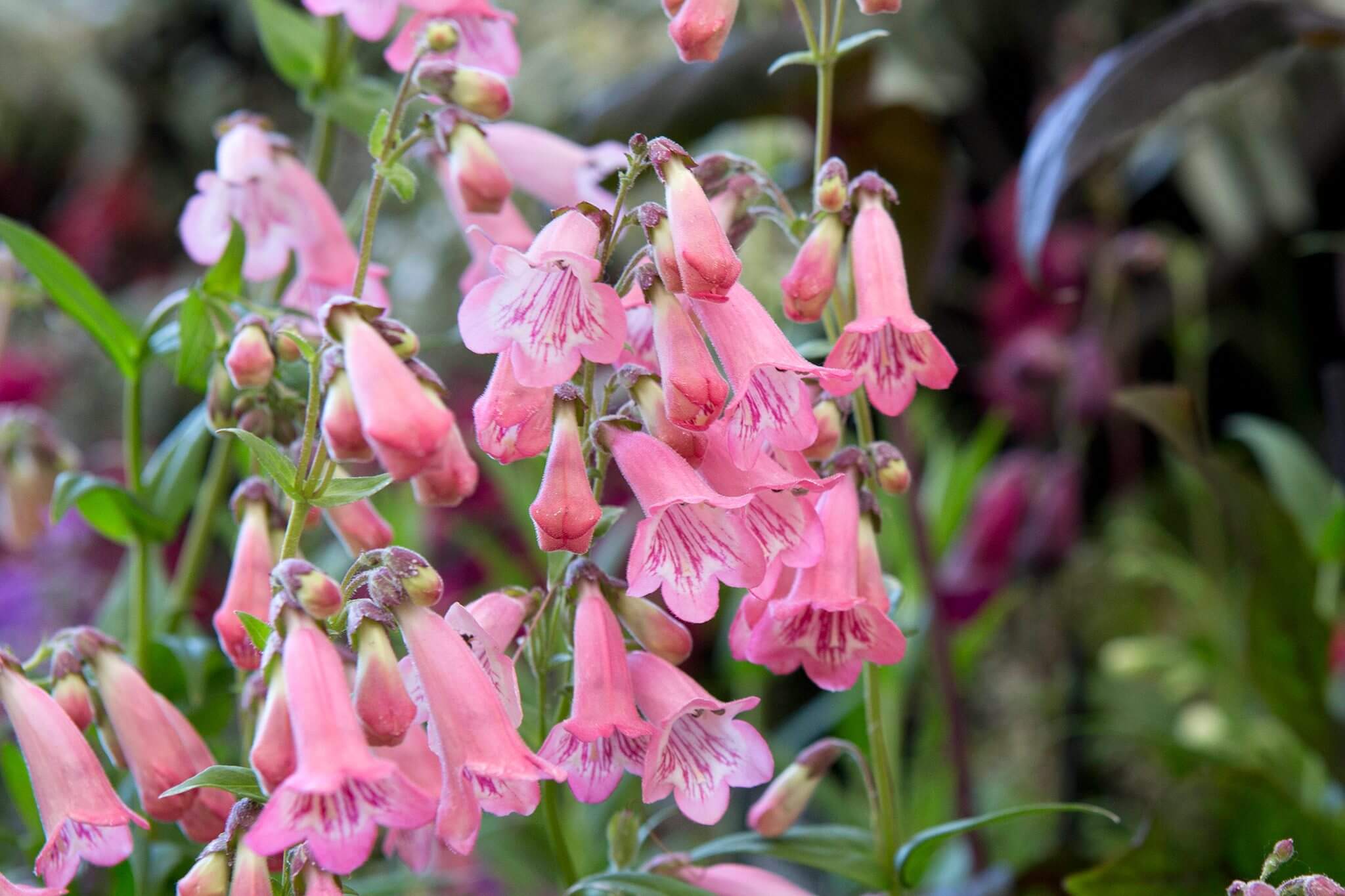
#10. Penstemon
Source: Gardeners World
In the autumn or winter, sow penstemon seeds outside. Choose a spot with soil that drains well but isn’t rich and gets full light during the growth season.
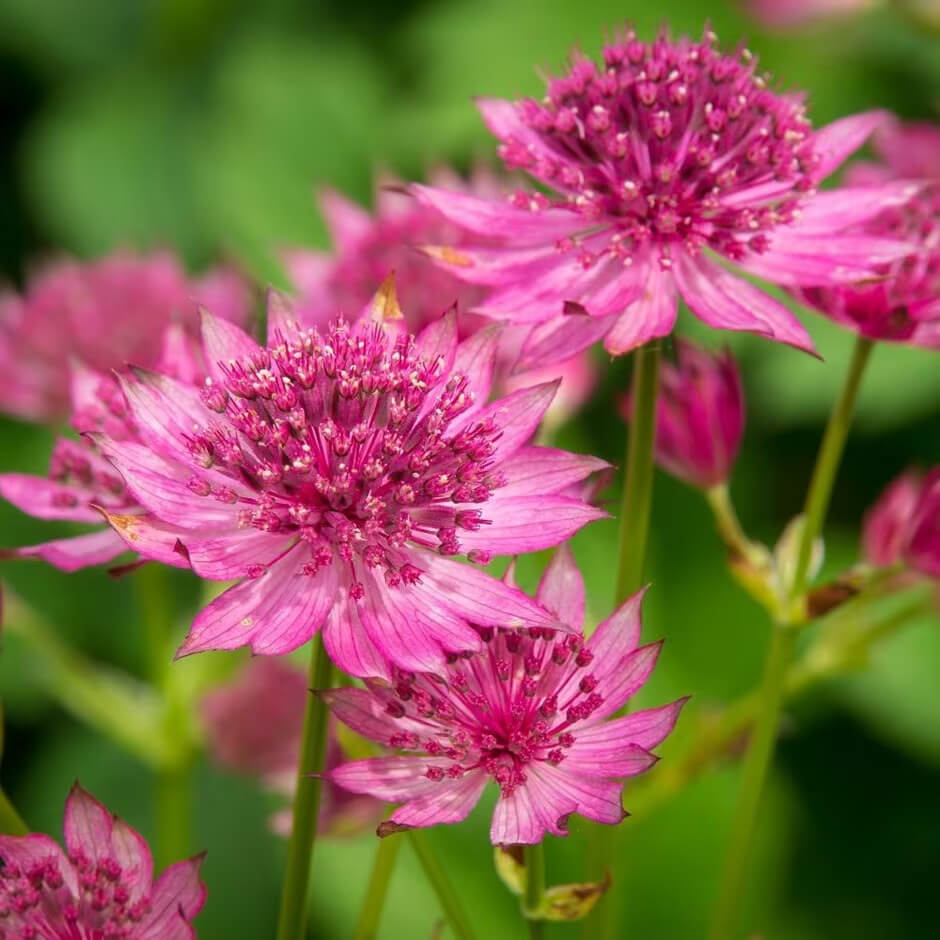
#11. Astrantia
Source: Crocus
Astrantia thrives on rich, consistently moist soil that is rich in organic matter and grows best in partial shade. A couple of hours of early light and dappled shade for the remainder of the day are ideal circumstances for the plant.
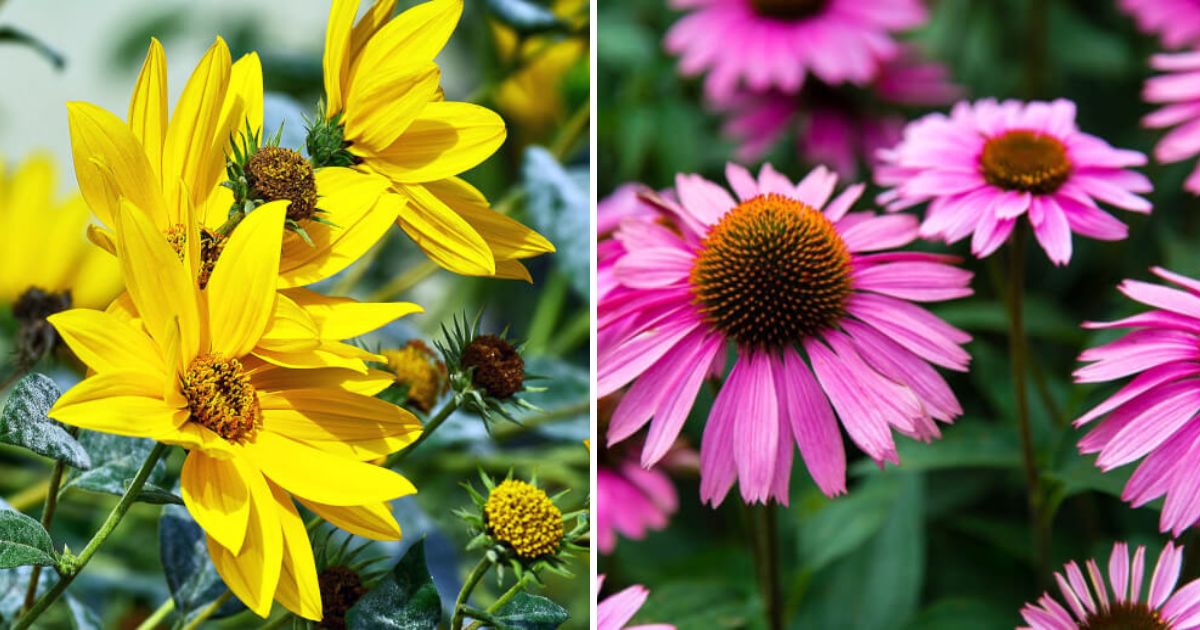
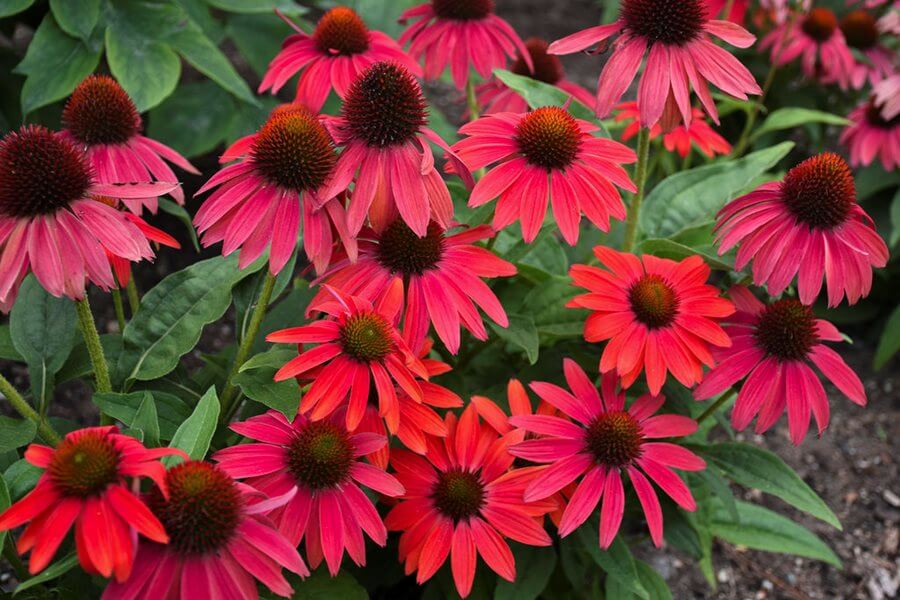
#12. Coneflower
Source: garden Design
Coneflowers should be planted where they will receive at least 6 to 8 hours of direct sunlight each day, although a little afternoon shade is beneficial as it will prevent the flowers from fading. Due to their clump-forming nature, these plants won’t spread as widely as some other perennials.
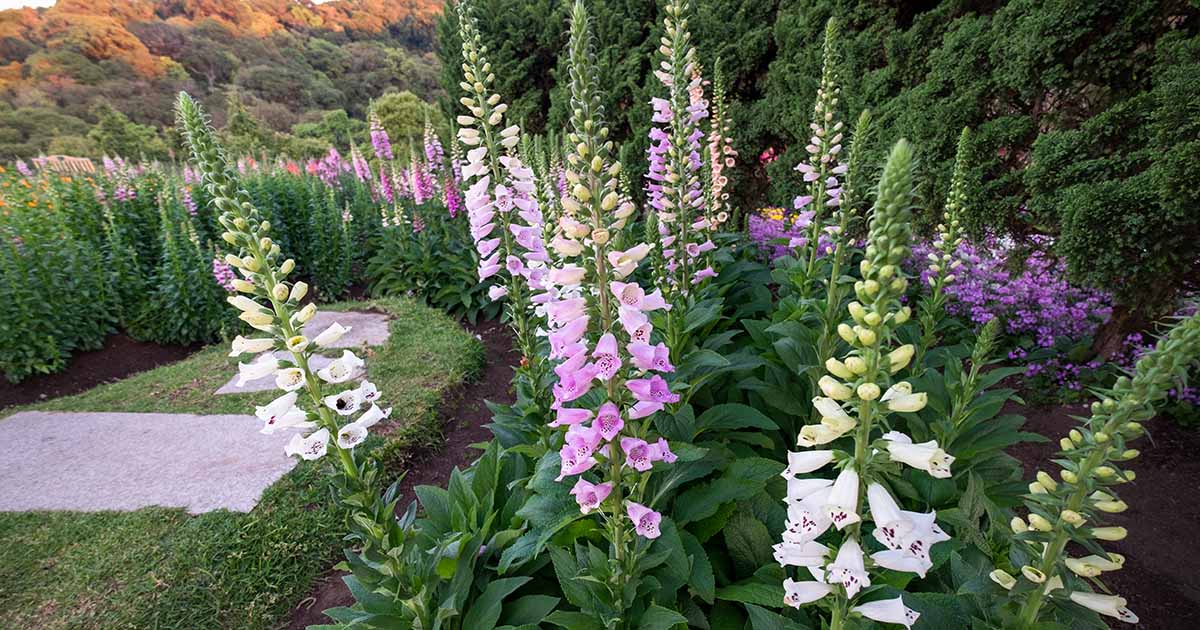
#13. Foxglove
Source: Gardener’s Path
Common foxglove should be grown in broad sun to moderate shade. It will thrive in nearly any sort of soil as long as it is neither too dry nor too wet, despite preferring light, moist soils rich in organic matter. To keep tall types upright, they might need to be anchored.
#14. Bee Balm
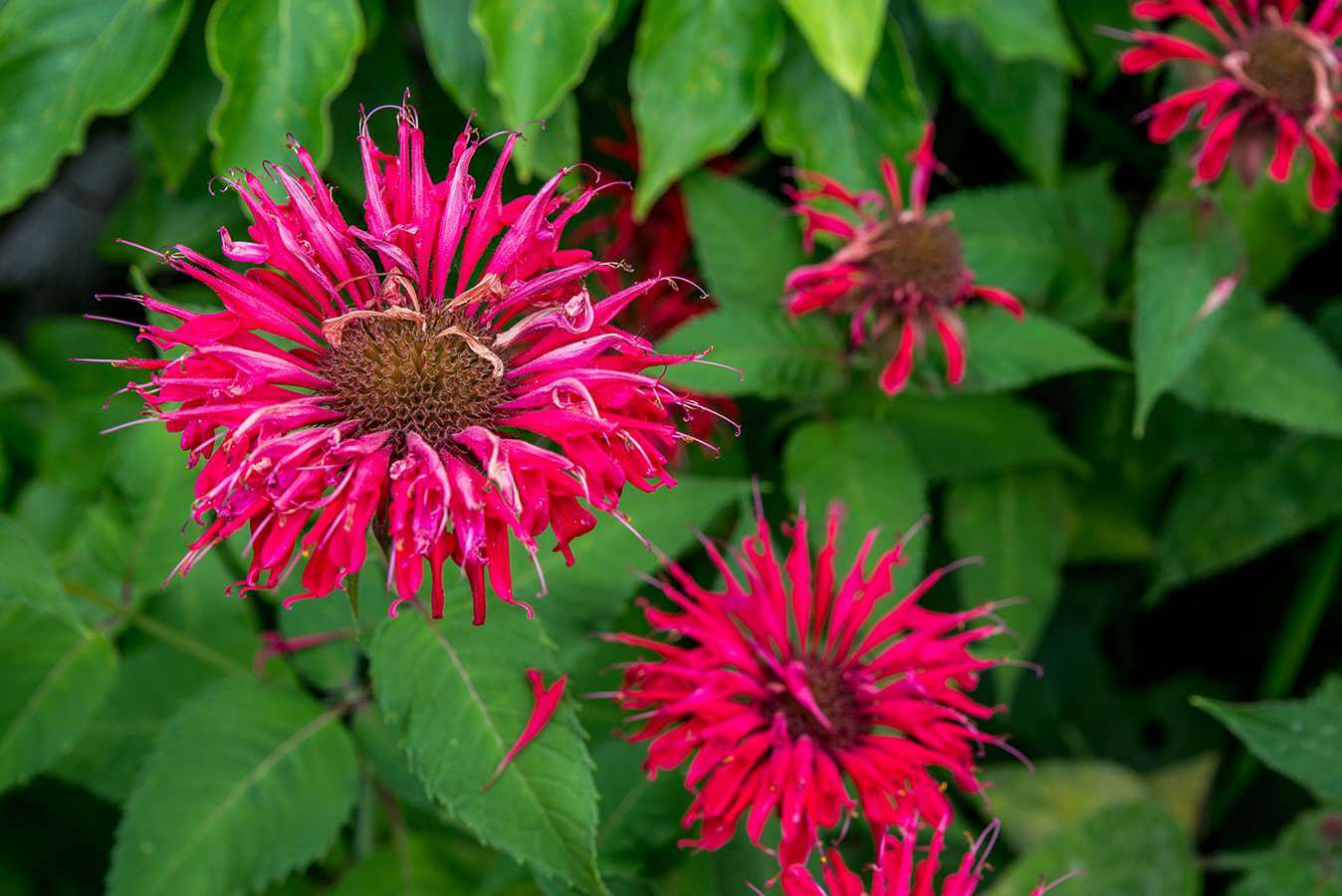
Source: The Spruce
The full sun is ideal for bee balm. Even though it may grow in partial shade, it eventually stretches and becomes lanky. Bee balm thrives in uniformly wet, organically rich soil. It can handle lesser soil, but taller, stronger specimens will grow in richer soil.
#15. Tradescantia
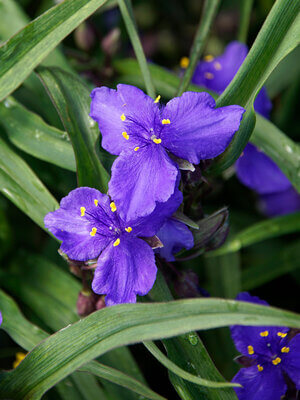
Source: Bluestone Perennials
Tradescantia prefers direct, strong light. If they don’t get enough light, you’ll notice that the marks on their leaves start to deteriorate. Nevertheless, direct sunlight will burn their leaves.
#16. Thrift
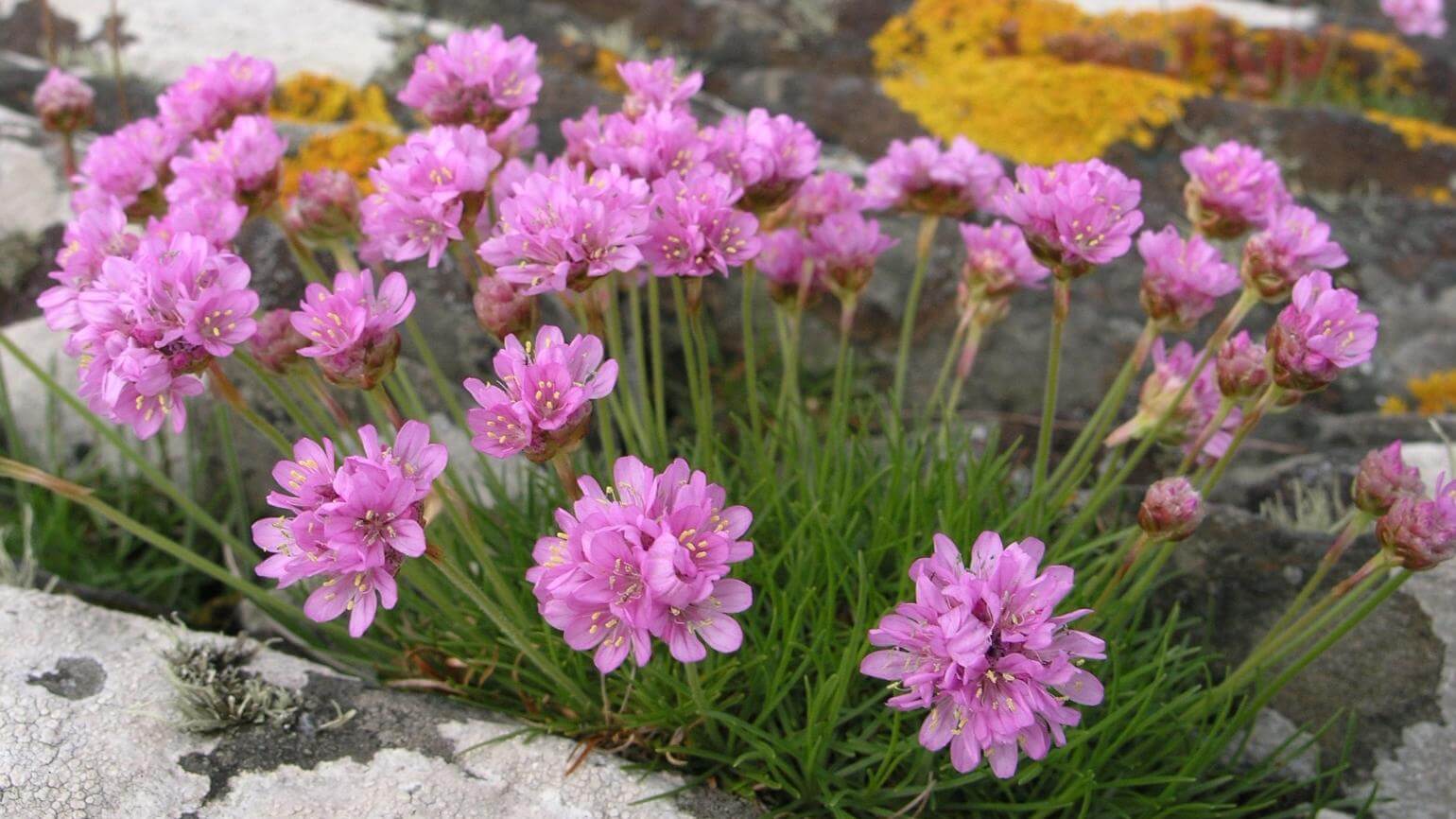
Source: Kew Gardens
Thrift can take some shade but loves full sun since it produces the most blooms and dries the plant out after rain and watering.
#17. Peony
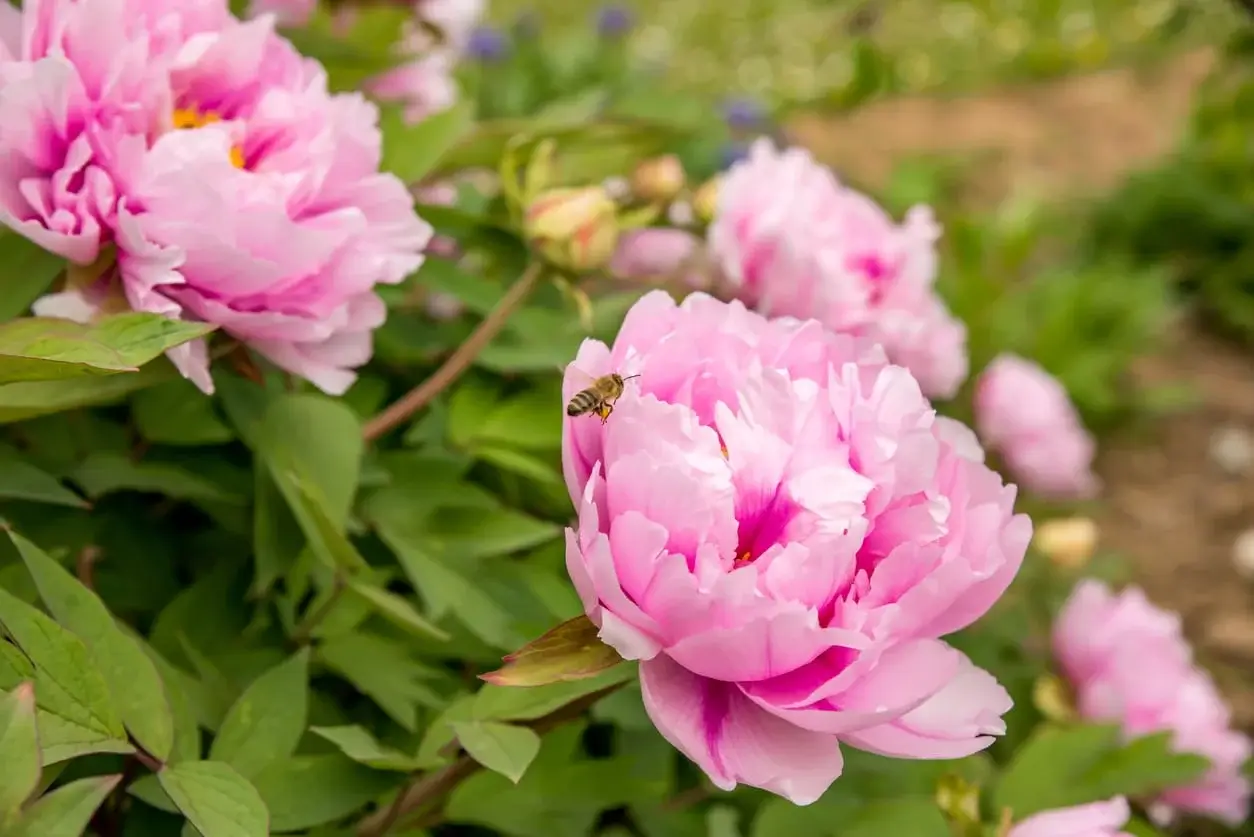
Source: Gardening Know How
While they may survive in partial shade, peonies like full sun, and they flower at their best in an area that receives 6 to 8 hours of sunshine per day. Because of their huge flowers, peonies can become top-heavy in severe winds. Thus, providing protection is important.
#18. Hellebore
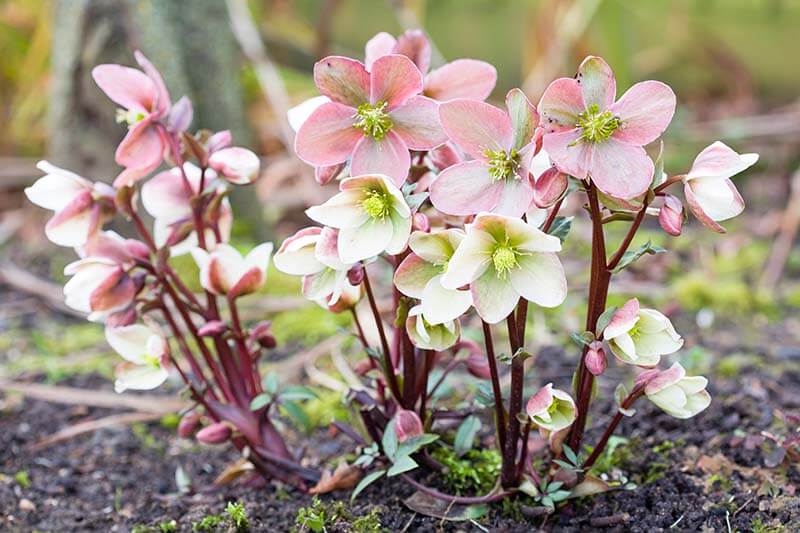
Source: Gardener’s Path
They like partial shade but may survive in both practically full sun and almost full shade. Flower output may be hampered by dense shading.
#19. Astilbe
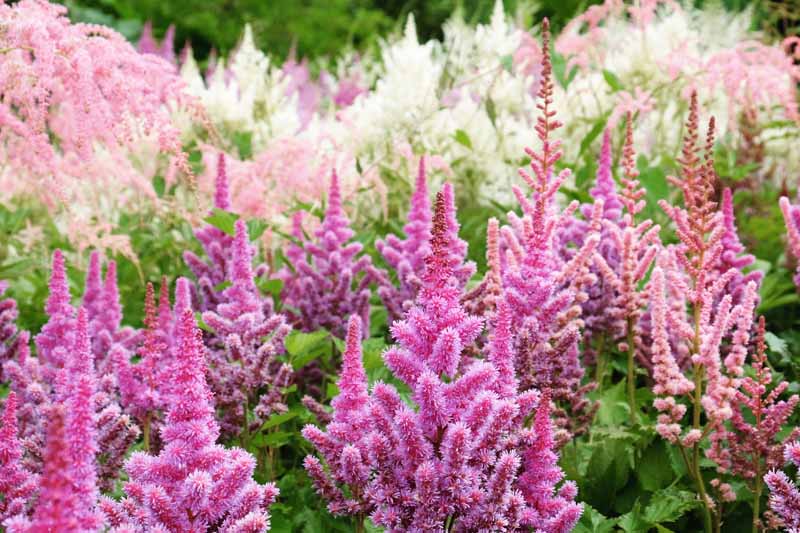
Source: Gardener’s Path
With some shade, asparagus thrives. While it can survive in full sun, in hot summer climes it will need shade in the afternoon. Flowering will be diminished in complete shade.
#20. Lamb’s Ear
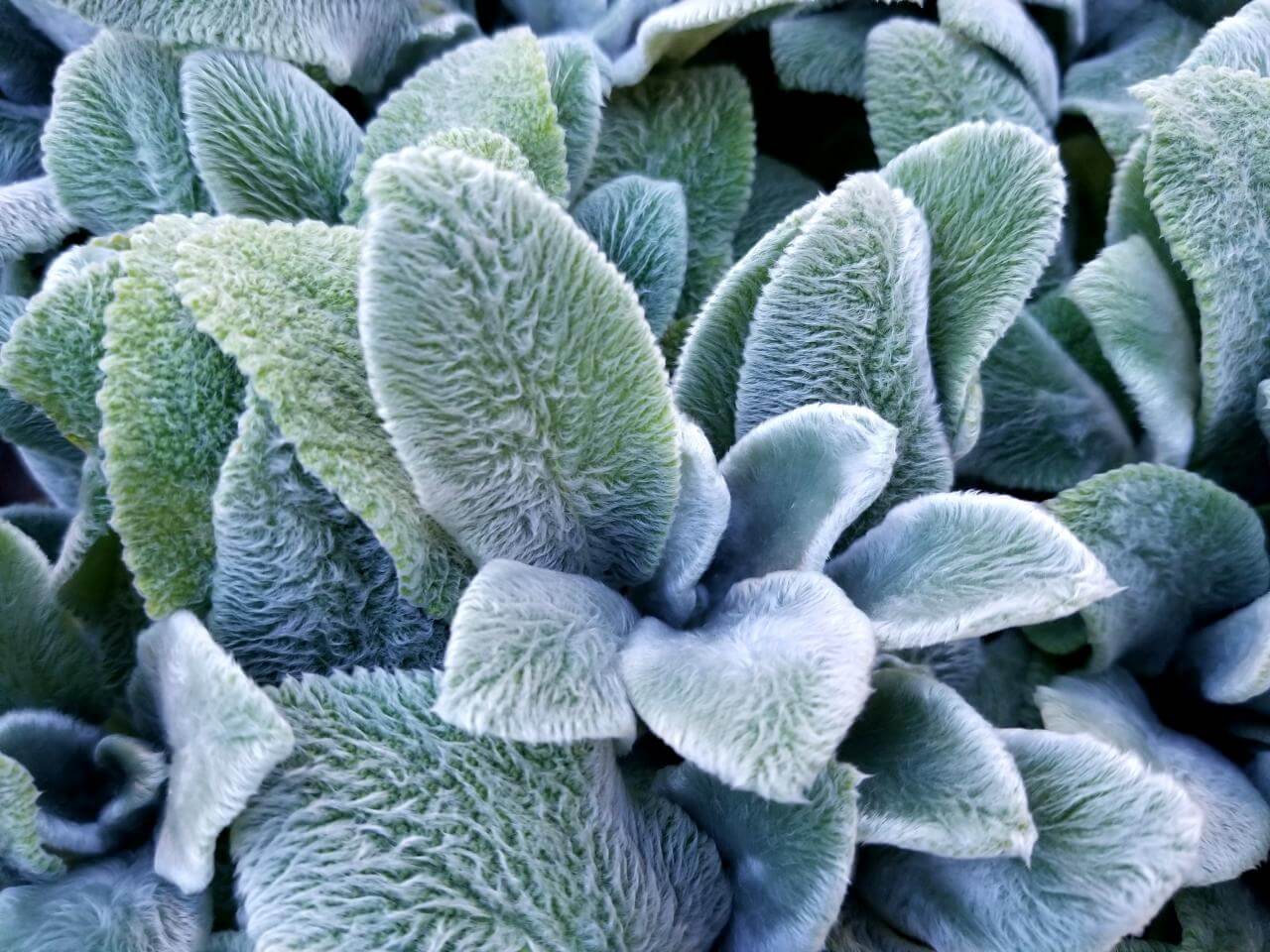
Source: HGTV
Choose a site that receives full or partial light, with some afternoon shade. Lamb’s ear may be planted practically any place as long as the soil drains since it is drought-resistant and tolerates the worst soils.