Have you ever considered that some succulents can be eaten? Discover 8 edible succulents below that you might already be growing in your garden or can easily find nearby.
Succulents are renowned for their easy-to-grow and low-maintenance qualities, but these varieties can also be consumed as food with remarkable health benefits.
Most people cultivate succulents as houseplants for decorative purposes. In fact, you grow them to adorn your home and garden, and you can also use them to add variety to your daily meals.
With minimal care, you’ll have access to free vegetables and fruits with unique flavors and tastes, plus you’ll obtain a rich source of nutrients. From eating raw, grilled, and juiced, to mashed, they complement dishes wonderfully!
#1 Dragon Fruit
Source: Sowexotic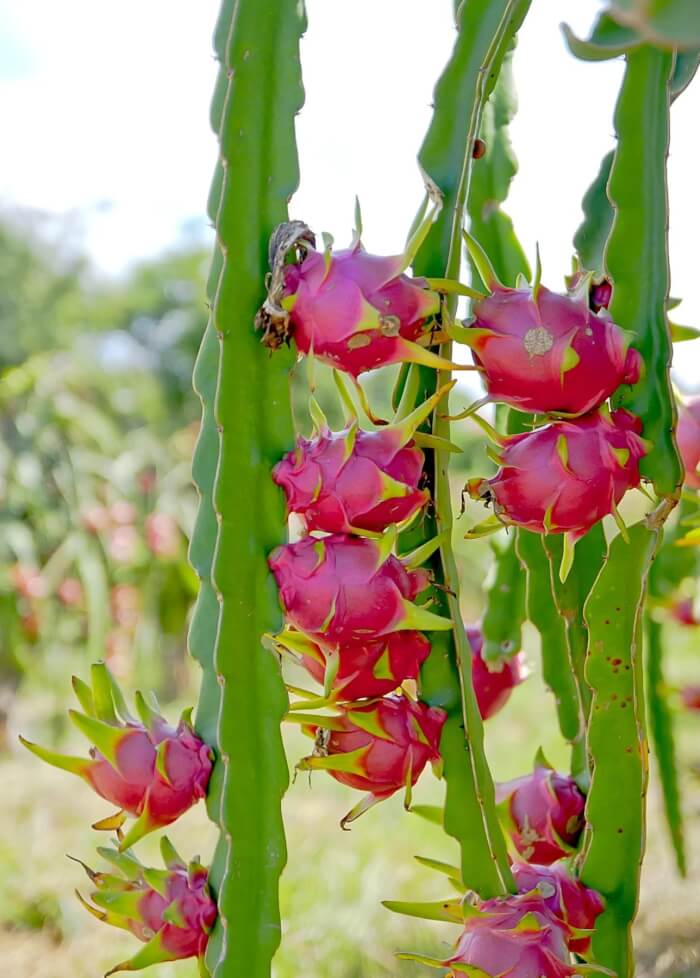
Dragon Fruit belongs to the cactus family and produces stunning night-blooming flowers with a delightful fruity fragrance. The flesh is mildly sweet with a kiwi-like texture, perfect for eating fresh or blending into smoothies. This tropical garden favorite thrives in warm, frost-free climates.
#2 Purslane
Source: Gobotany.nativeplanttrust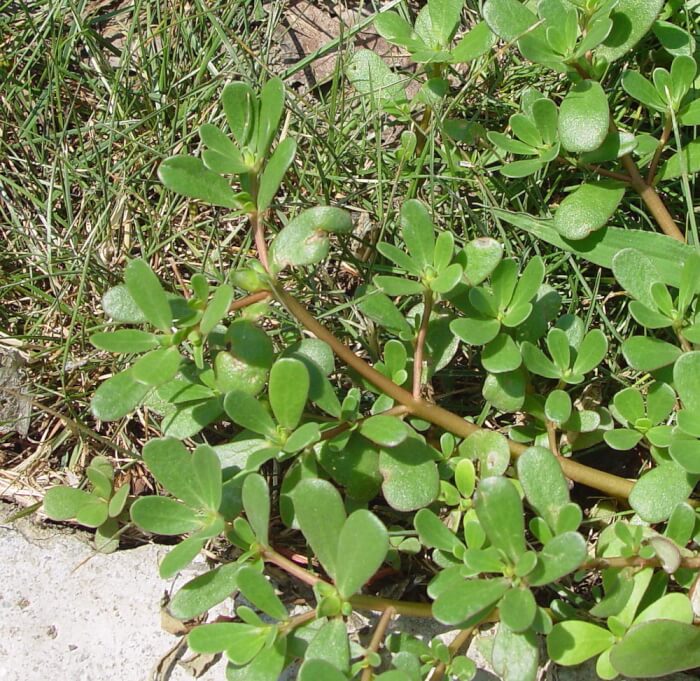
Purslane is a hardy ground cover succulent often mistaken for a weed due to its vigorous spreading nature. Both stems and leaves are edible with a pleasant lemony tang and crisp texture. It’s exceptionally rich in omega-3 fatty acids, making it a nutritious addition to salads, soups, or stir-fries.
#3 Aloe
Source: Passeportsante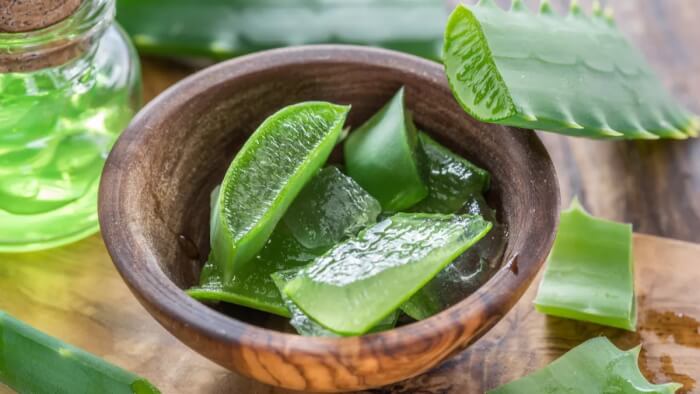
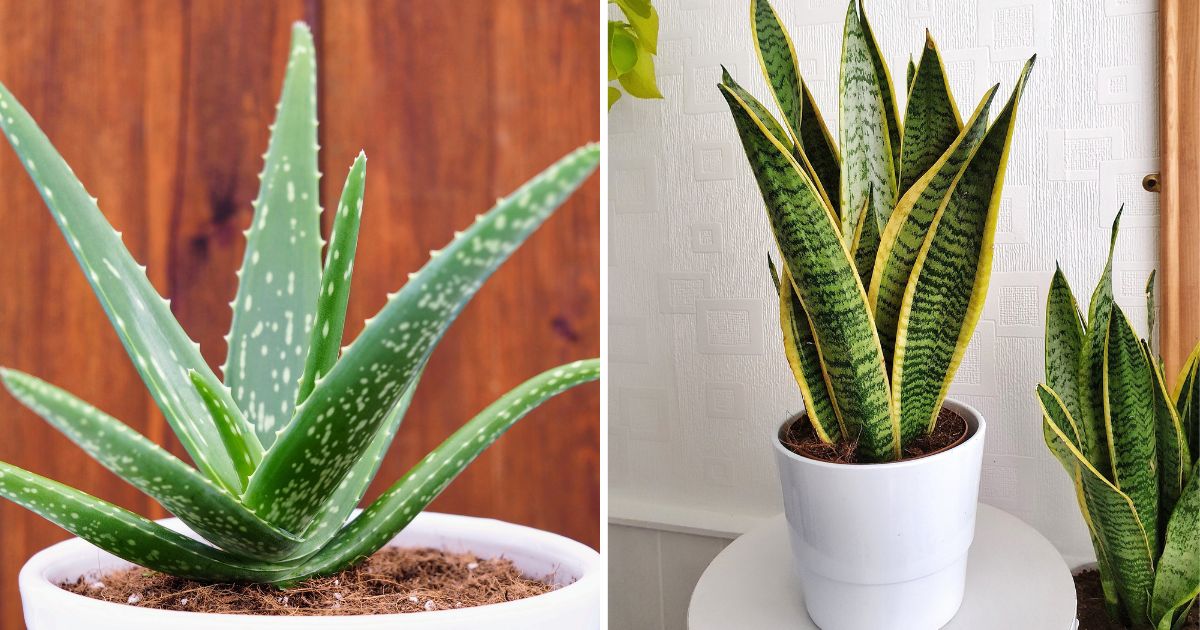
Aloe Vera is widely recognized for its soothing gel used in skincare and traditional medicine. The clear inner flesh can be consumed for its digestive benefits, containing antioxidants, vitamins C and E, and various minerals. Always remove the bitter yellow latex layer before consumption and grow in well-draining soil with plenty of sunlight.
#4 Prickly Pear Cactus
Source: Gardenerspath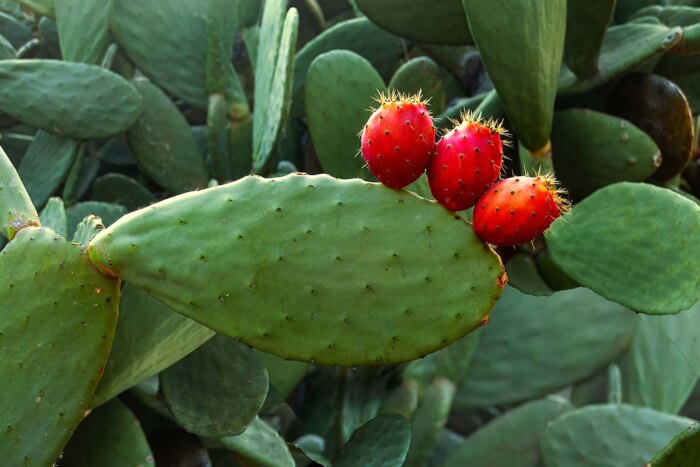
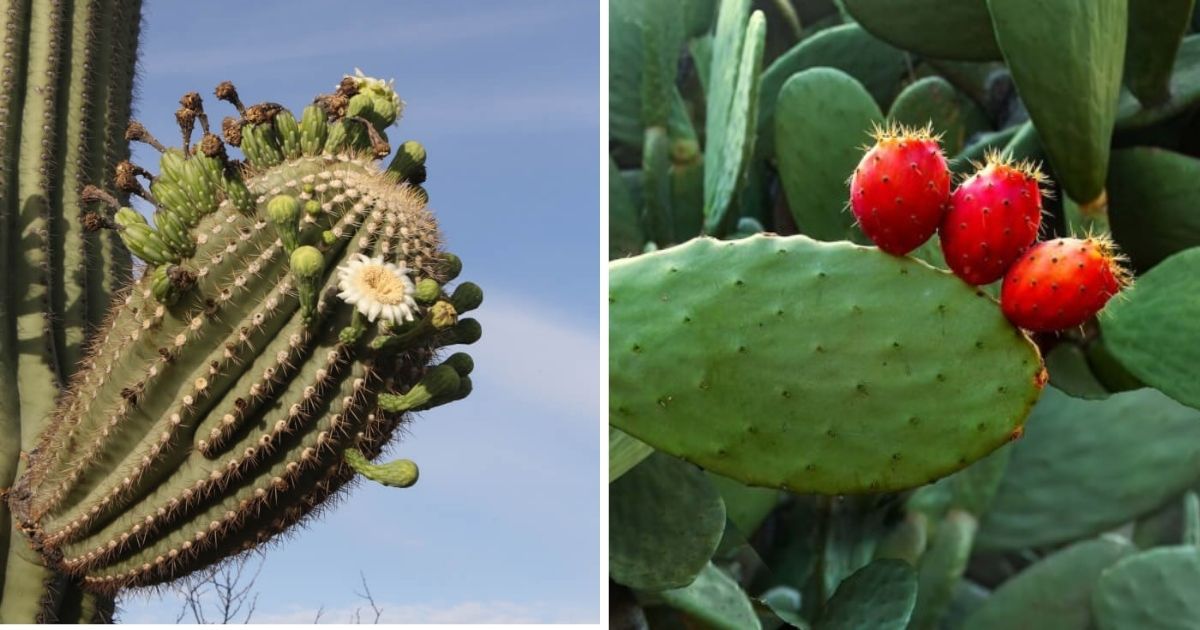
Prickly Pear Cactus, also known as Opuntia, produces vibrant paddle-shaped stems and showy flowers followed by sweet, ruby-red fruits called tunas. Both the young pads (nopales) and fruits are edible—the pads taste similar to green beans when cooked, while the fruits make excellent jams and beverages.
#5 Saguaro Cactus
Source: Nps.gov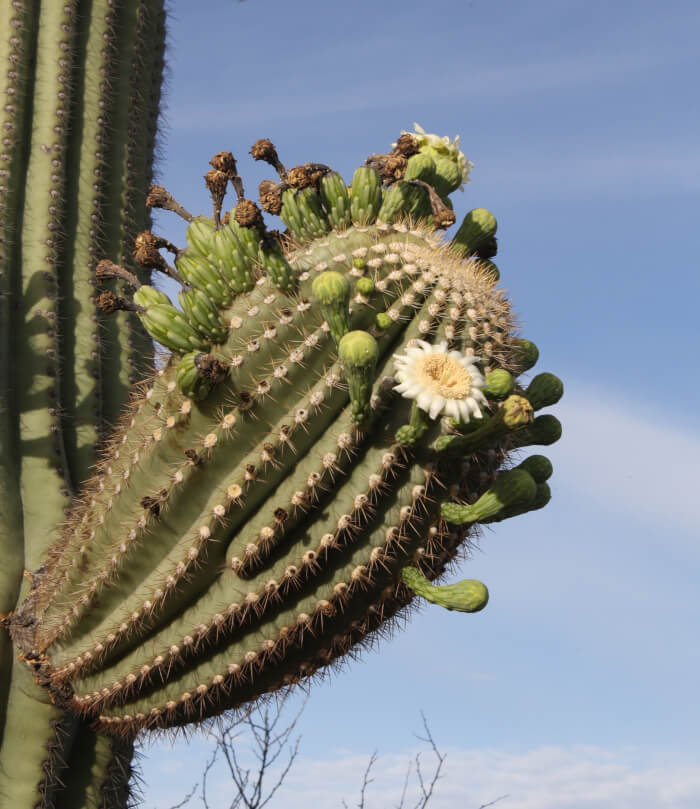
The iconic Saguaro Cactus produces beautiful white blooms that open at night and sweet, crimson fruits traditionally harvested by indigenous peoples. The fruit has a mild, fig-like flavor and can be eaten fresh, dried, or made into syrup and wine. Note that these slow-growing giants are protected in many areas.
#6 Salicornia
Source: Naijasuperfans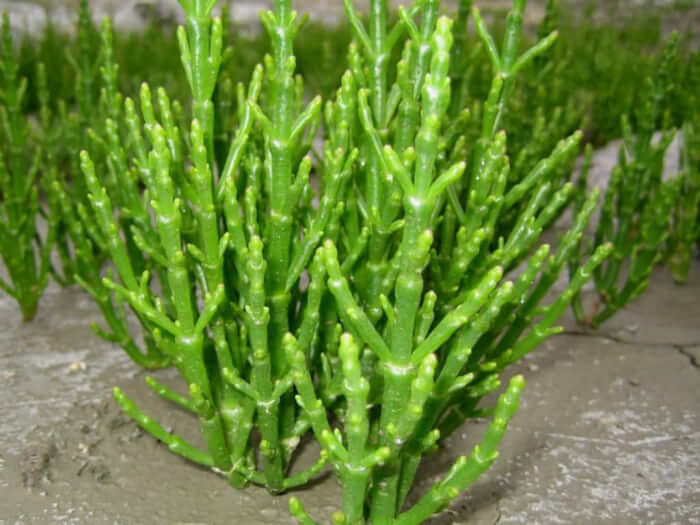
Salicornia, commonly called sea asparagus or samphire, thrives in coastal salt marshes and sandy shorelines. This unique vegetable offers a crisp texture and naturally salty flavor, perfect raw in salads or quickly blanched. It’s packed with minerals and antioxidants from its oceanic growing environment.
#7 Barrel Cactus
Source: Thomsonslandscaping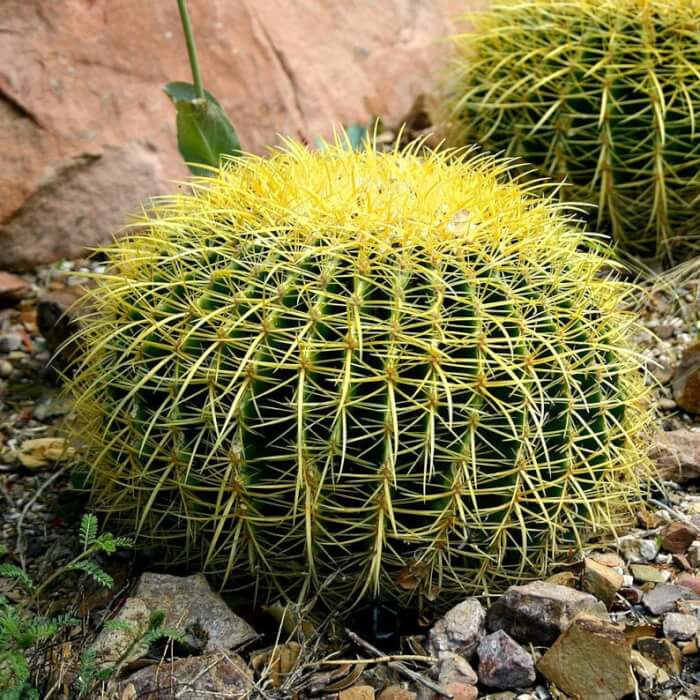
Barrel Cactus produces small, pineapple-shaped fruits with a tart, citrusy flavor that can be enjoyed fresh or cooked. The seeds can be ground into meal for baking. As a houseplant idea, it prefers bright indirect light from south or west-facing windows and minimal watering.
#8 Sedum
Source: Sunset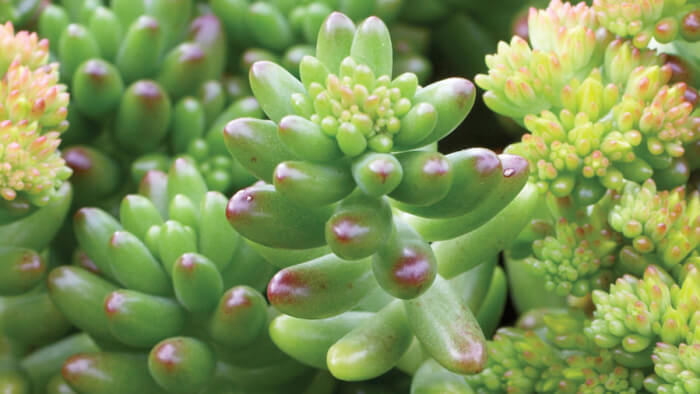
Sedum encompasses hundreds of drought-tolerant species with fleshy leaves and star-shaped flowers. While all varieties are technically edible, those with yellow flowers should always be cooked first to neutralize compounds. The leaves have a slightly peppery, cucumber-like taste—perfect for adding crunch to dishes. Consume in moderation as large amounts may cause digestive discomfort.