Most pets are naturally curious creatures, which is exactly why choosing the right indoor greenery matters so much. If you’ve been hesitant to bring plants into your home because of your furry companions, I’ve got wonderful news—there are plenty of beautiful options that pose zero risk to your four-legged friends.
I’ve curated a collection of my favorite pet-safe houseplants that thrive beautifully in water alone, completely eliminating the mess and hassle of traditional soil. Here are 7 outstanding Pet-Safe Indoor Plants That Grow Well in Water Environment.
Hydroponic growing means saying goodbye to muddy paw prints and spilled dirt, which is a game-changer for busy pet parents. These water garden stars are incredibly forgiving—even if you don’t consider yourself to have a green thumb, they’ll flourish with minimal attention. No grow lights or elaborate setups required.
What I love most about these selections is how they bring vibrant life to your living space without demanding hours of maintenance. Whether you’re juggling work deadlines or simply prefer low-effort home décor ideas, these plants deliver maximum visual impact with minimal time investment.
#1 Prayer Plant
Source: Reddit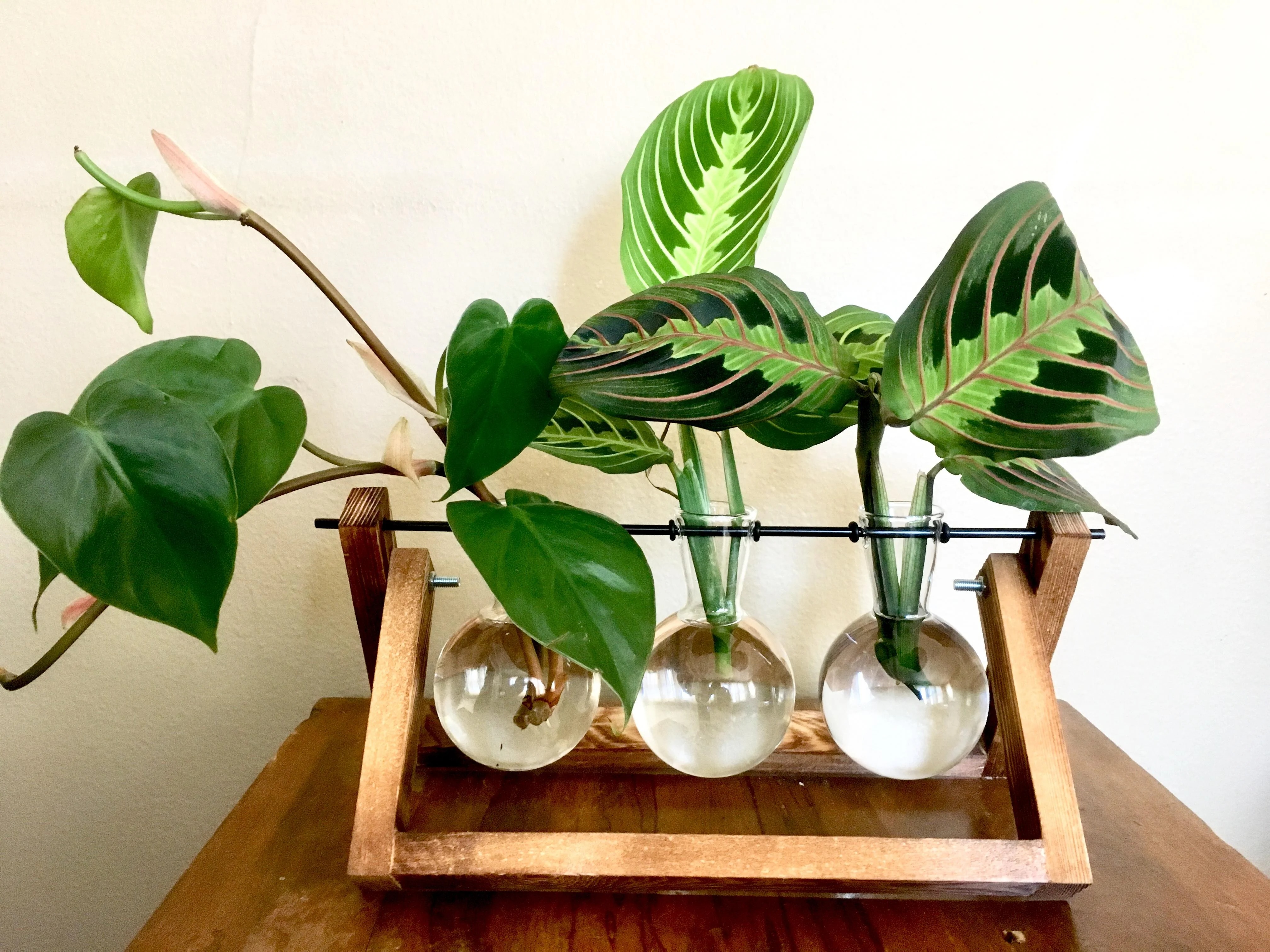
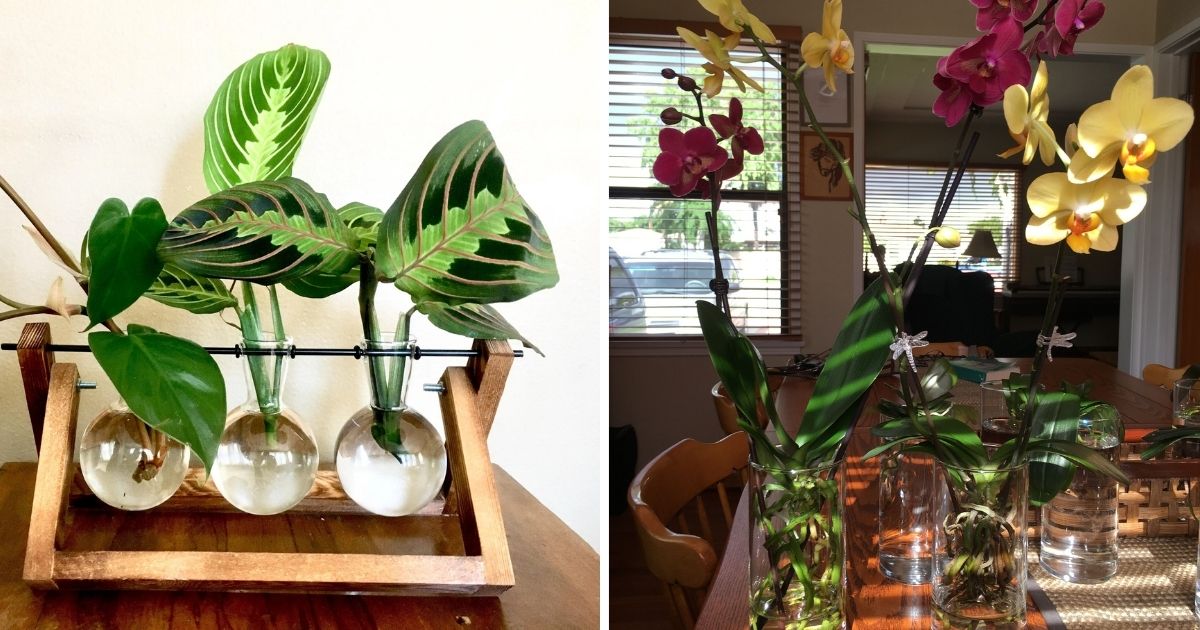
The Prayer Plant (Maranta leuconeura) is absolutely captivating with its deep emerald foliage dramatically striped with burgundy veins that seem to pulse with life. I find it mesmerizing how the leaves fold upward at dusk like hands in prayer—hence the charming name. Completely non-toxic to both cats and dogs, so nibbling incidents won’t send you rushing to the vet.
#2 Sweet Potato Vine
Source: Homejoys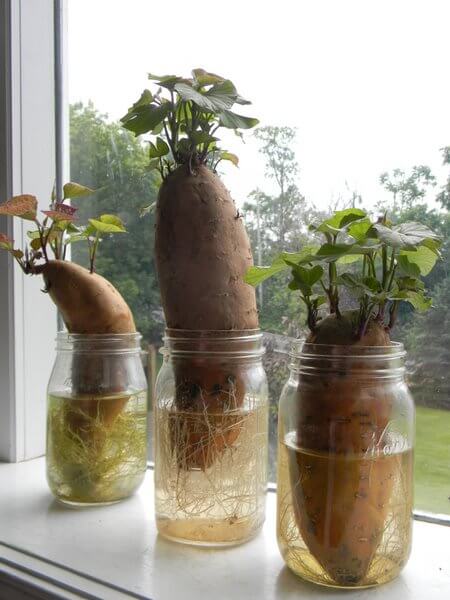
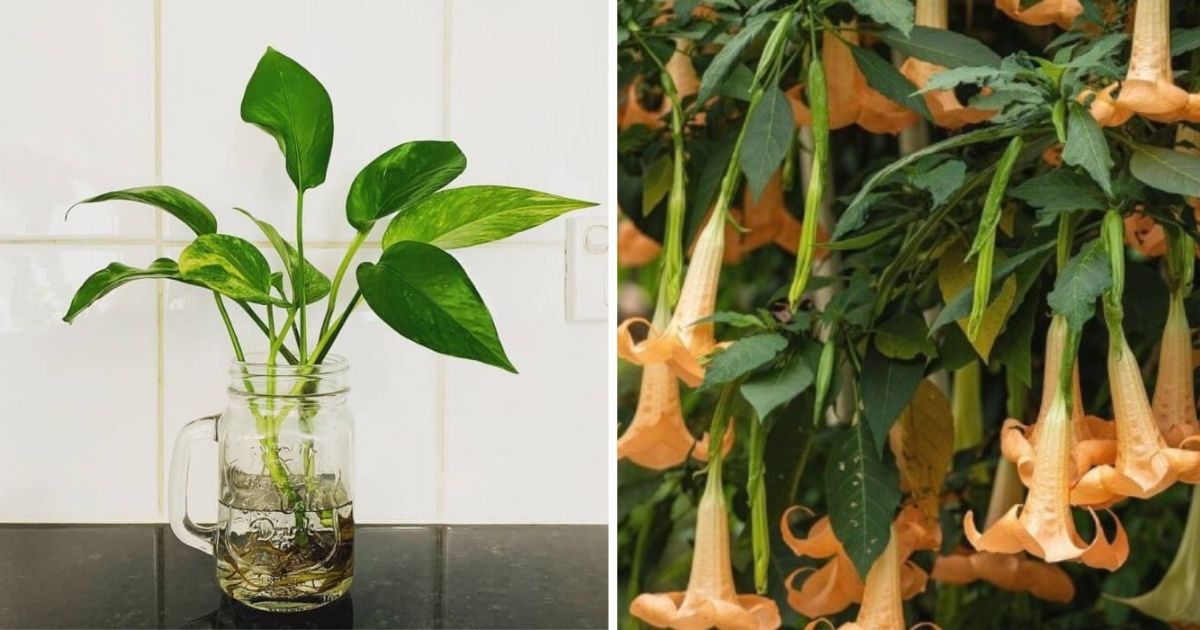
Sweet Potato Vine is one of my go-to recommendations for beginners. Simply snip a 6-8 inch stem cutting right below a leaf node and pop it into a clear glass of water—within days you’ll witness roots emerging. The trailing chartreuse or purple foliage cascades beautifully, and I appreciate that it’s completely harmless even if your curious pets decide to sample a leaf or two.
#3 Spider Plant
Source: Aloetheplants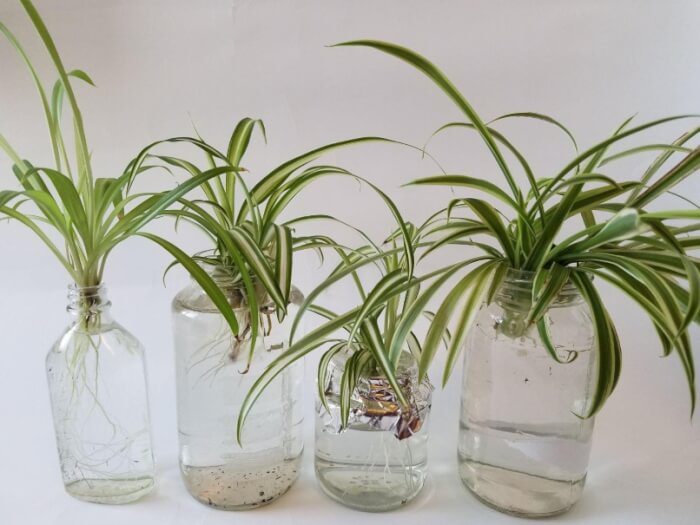
Spider Plants are practically indestructible classics that have earned their popularity honestly. From my experience, they adapt seamlessly to water culture year-round, producing adorable baby plantlets that dangle like green chandeliers. The ASPCA confirms they’re non-toxic to both felines and canines, though cats sometimes find the ribbon-like leaves irresistible for batting practice.
#4 Aluminum Plant
Source: Growandcare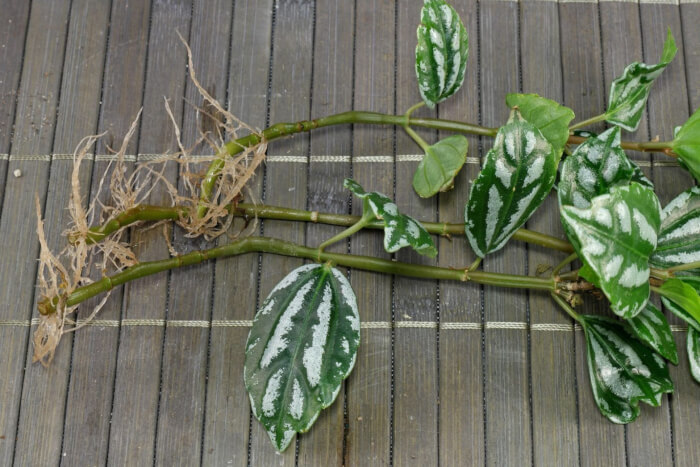
The Aluminum Plant (Pilea cadierei) showcases striking quilted leaves with metallic silver patterns that catch light beautifully. In my indoor garden experience, it transitions to water culture effortlessly and actually prefers the consistent moisture. Thrives in medium to low light conditions—perfect for north-facing rooms or office cubicles. Rest assured, your feline friends can investigate without danger.
#5 Moth Orchid
Source: Luisa Cabrera-Jones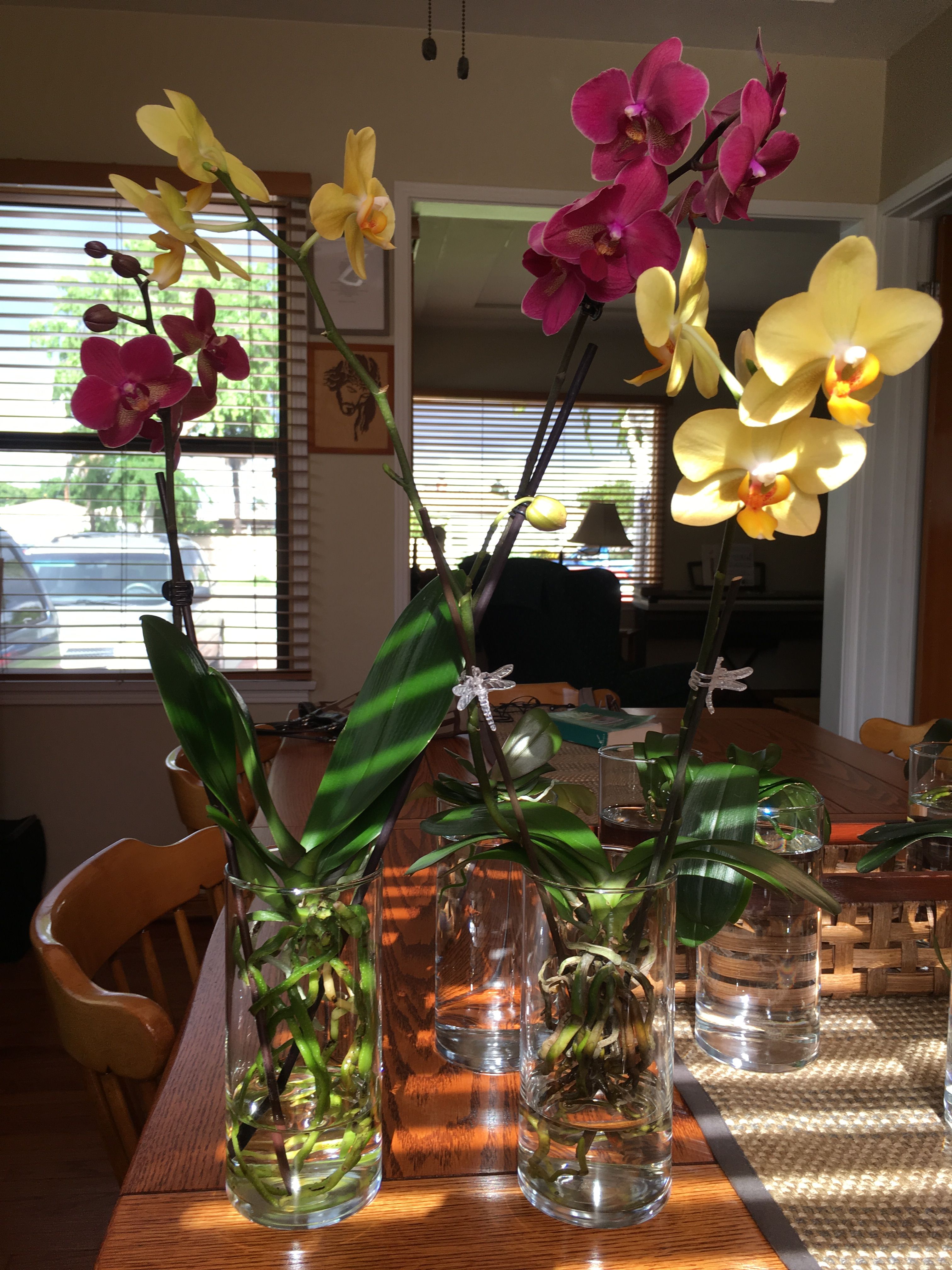
Moth Orchids (Phalaenopsis) might surprise you as water-culture candidates, but I’ve seen them flourish in semi-hydroponic setups. Their elegant arching stems bearing butterfly-shaped blooms elevate any space instantly. When transitioning to water, I recommend placing clay pebbles or glass stones at the container’s base to anchor the aerial roots while allowing air circulation. Completely pet-safe for worry-free elegance.
#6 Sweetheart Hoya
Source: Gardenforindoor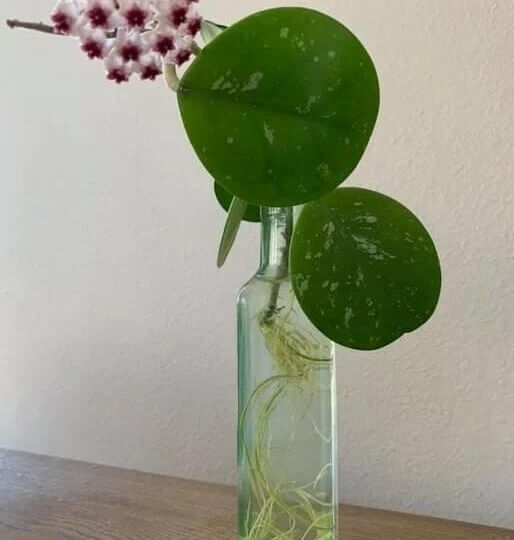
Sweetheart Hoya (Hoya kerrii) holds special appeal with its adorable heart-shaped leaves that make thoughtful living gifts. I’ve successfully rooted single-leaf cuttings in simple water glasses on bright windowsills. Position them where they’ll receive gentle morning sun or bright indirect light throughout the day. Both dogs and cats can coexist safely with this charming succulent vine.
#7 Basil
Source: Amazingherbgarden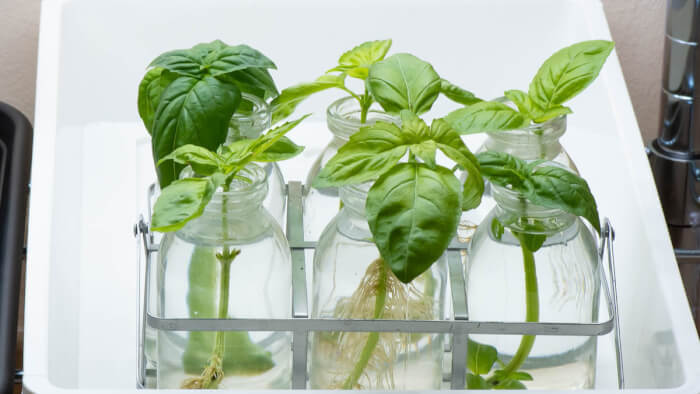
Beyond its culinary magic, basil doubles as an attractive, aromatic houseplant that roots enthusiastically in water. In my kitchen herb garden ideas, I keep cuttings on sunny sills where they receive at least 5-6 hours of direct light daily. The fresh peppery scent actually seems to deter some pets from investigating too closely, but even if they do sample a leaf, it’s entirely harmless.