When it comes to succulents, most people immediately picture sun-drenched desert landscapes with plants basking in intense light. However, my years of cultivating these fascinating plants have taught me that this stereotype misses a significant portion of succulent diversity. Although many succulents do crave bright sunlight, I’ve discovered numerous varieties that actually prefer or tolerate partial shade beautifully. So, if you have low-light spaces in your home or shady corners in your outdoor garden, choosing the right shade-adapted succulents can transform these challenging areas into thriving green sanctuaries. And here are 19 Beautiful Succulents That Adapt Well To Shade you can grow them indoors or in shady corners of your garden!
All of them are easy to grow, low maintenance, and showy additions to any plant collection, with some tolerating or even thriving in the shade garden, and some of them even producing delightful flowers that surprise many gardeners! As a general rule, their other requirements remain consistent with typical succulent care—most varieties still need minimal water and well-draining soil to prevent root rot. In my experience, the key adjustment for shade-growing is simply reducing watering frequency even further, as evaporation rates are naturally lower in dimmer conditions. I’ve found that understanding this balance between light exposure and moisture management is crucial for success with these adaptable plants.
Thanks to less evaporation in the shade, your plant only needs watering when the soil becomes fully dry between waterings, which means less frequent attention than their sun-loving cousins require. This reduced maintenance schedule actually makes shade succulents perfect for busy individuals or those new to plant care. Are you ready to learn about these versatile beauties that will brighten your dimmest spaces?
#1 Ponytail Palm
Source: Plantz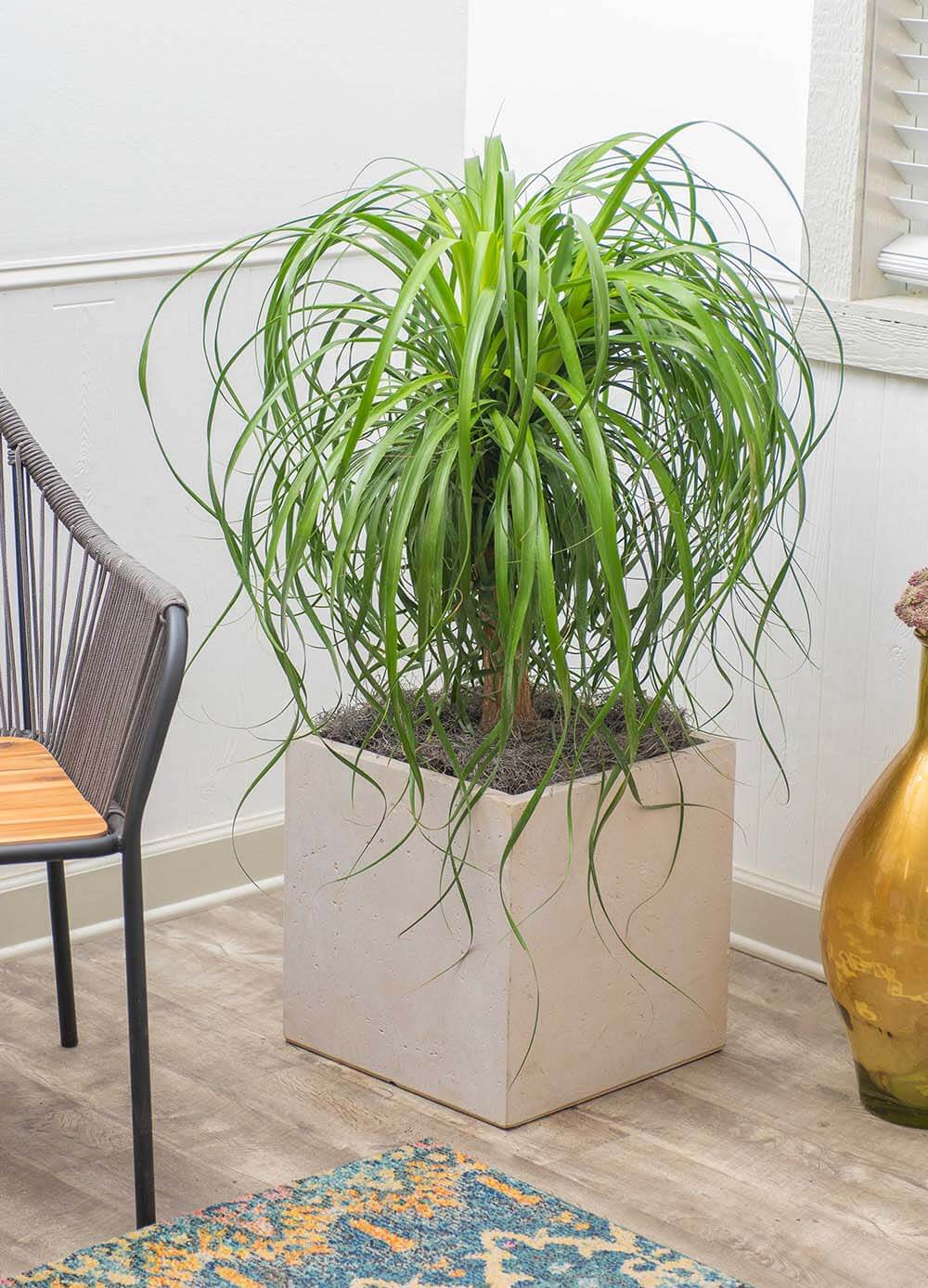
Ponytail Palm is a remarkably hardy plant that can tolerate drought conditions exceptionally well, making it forgiving for forgetful waterers. It grows well both in sunny locations and partial shade, adapting its growth rate accordingly. It is an impressive succulent to grow either as a houseplant or outdoor plant, with its distinctive swollen trunk and cascading foliage creating architectural interest. In my collection, I’ve found it particularly valuable for brightening north-facing rooms where few other succulents would survive.
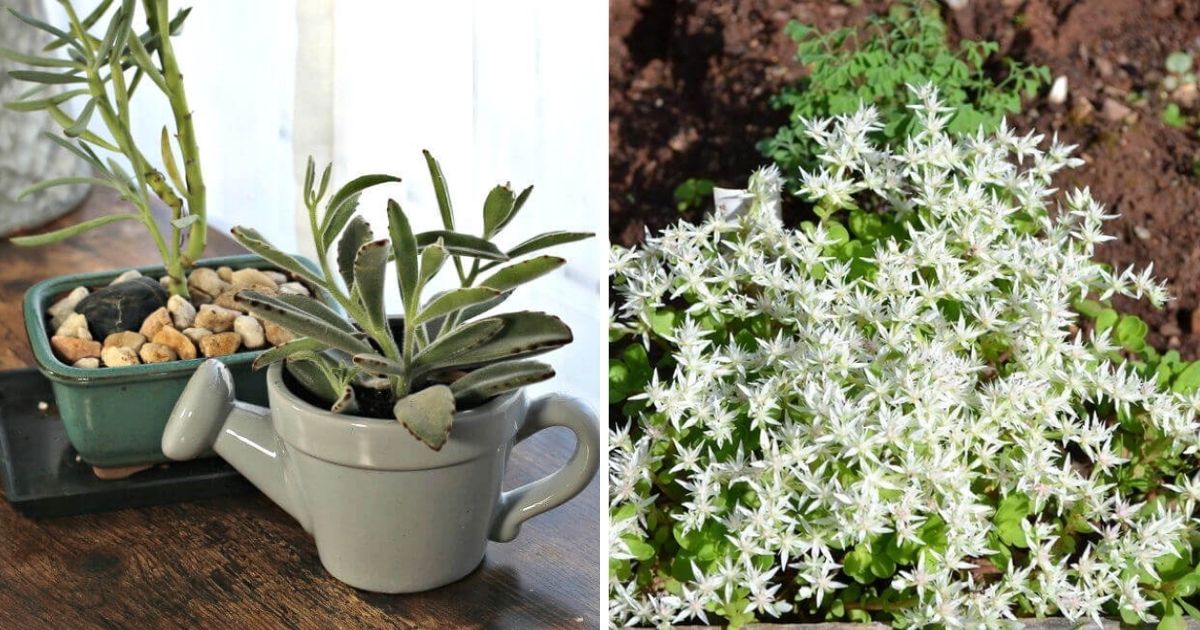
#2 Bear Paws
Source: Succulentsbox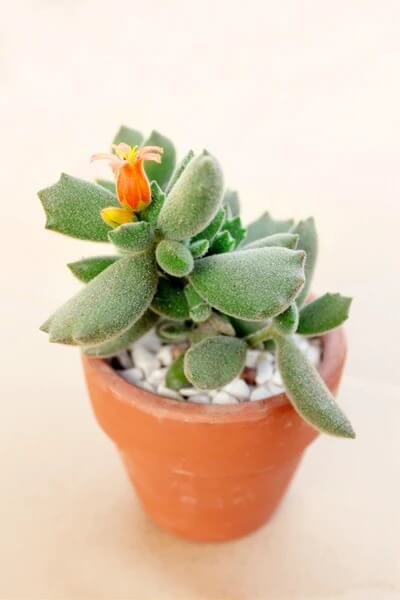
Bear Paws have beautiful showy and furry leaves that resemble tiny animal paws, creating irresistible tactile appeal. They grow well in small pots because they rarely grow above 1 foot tall, making them perfect for compact spaces. Give them partial shade, as they will become weak and leggy in deep shade without adequate light exposure. I’ve found that placing them near east-facing windows provides the ideal balance of gentle morning light and afternoon protection.
#3 Panda Plant
Source: Thegardeningcook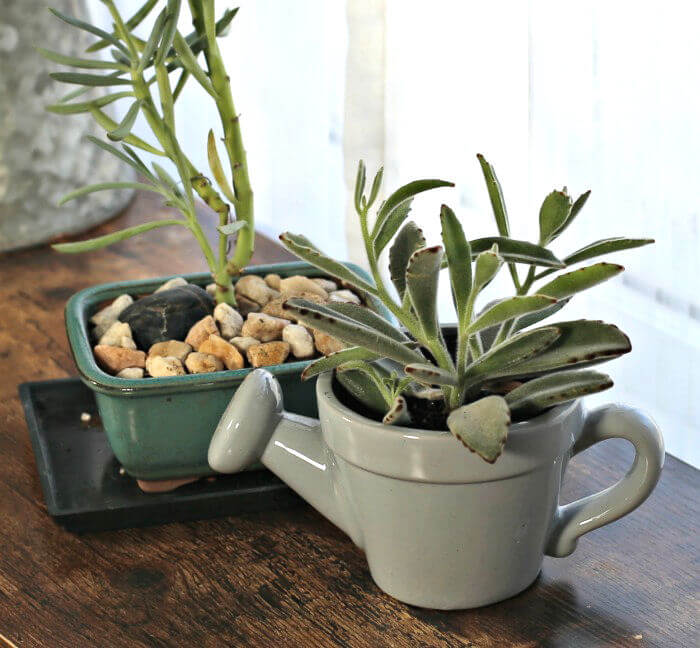
Panda Plant is also known as pussy’s ear, displaying the fuzzy and fleshy texture of the foliage that begs to be touched. It grows well in the shade and does not require frequent watering, thriving on neglect. Give it a couple of hours of direct sunlight or day-long indirect light for optimal color development. In my experience, this variety actually develops richer, more velvety texture when protected from harsh afternoon sun.
#4 Burro’s Tail
Source: Succulentsbox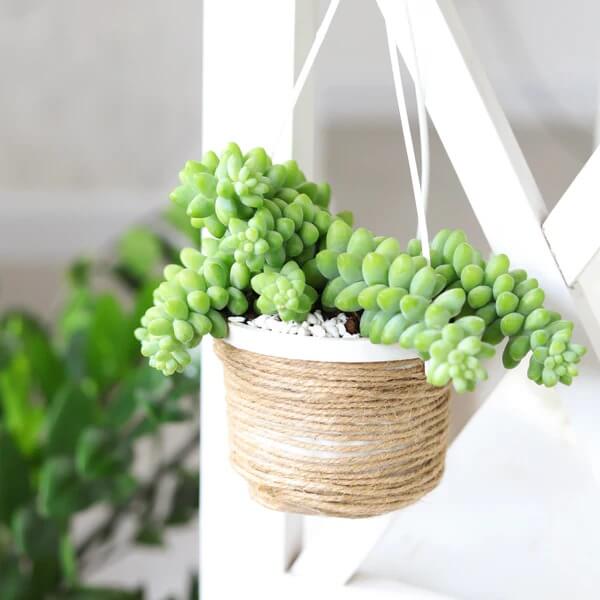
Burro’s tail is a trailing succulent with lance-shaped, overlapping leaves that create absolutely smashing displays in hanging baskets. It grows happily in partial shade when it gets the morning sun but also does well in full bright shade with adequate ambient light. This adaptability makes it one of my go-to recommendations for interior design ideas where cascading plants add vertical interest. I’ve successfully grown specimens in north-facing bathrooms where humidity and indirect light create perfect conditions.
#5 Woodland Stonecrop
Source: garden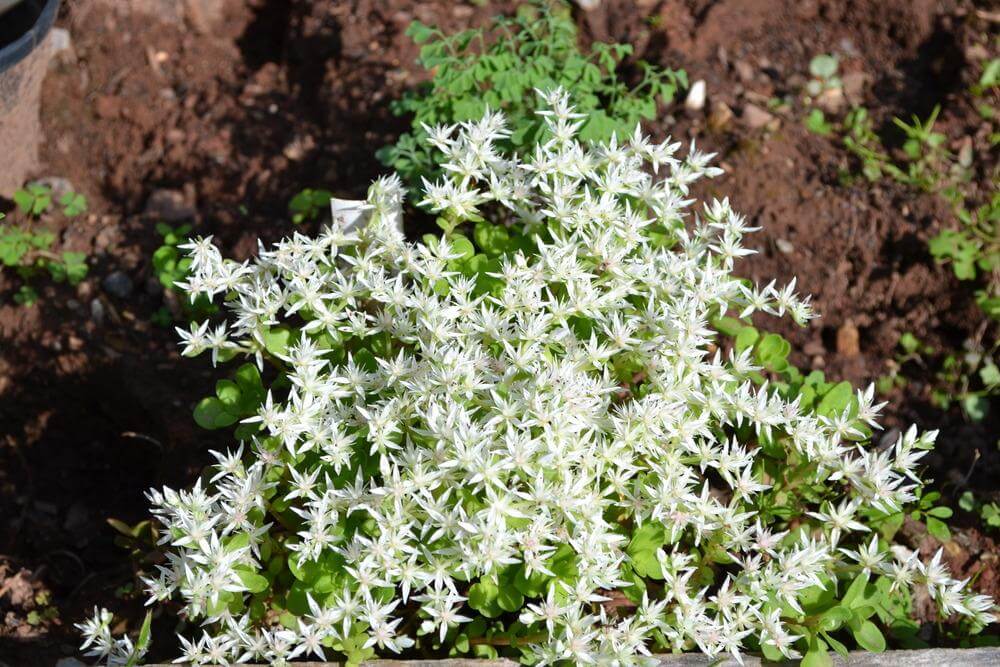
Woodland Stonecrop is a shade succulent that requires minimal care, thriving in almost any condition including challenging dry shade. It can tolerate the dappled light beneath trees where few other succulents would survive. This native groundcover spreads gradually to form living carpets of year-round interest. In my woodland garden areas, it has become an invaluable problem-solver for difficult shady spots.
#6 String of Bananas
Source: Houseplantcentral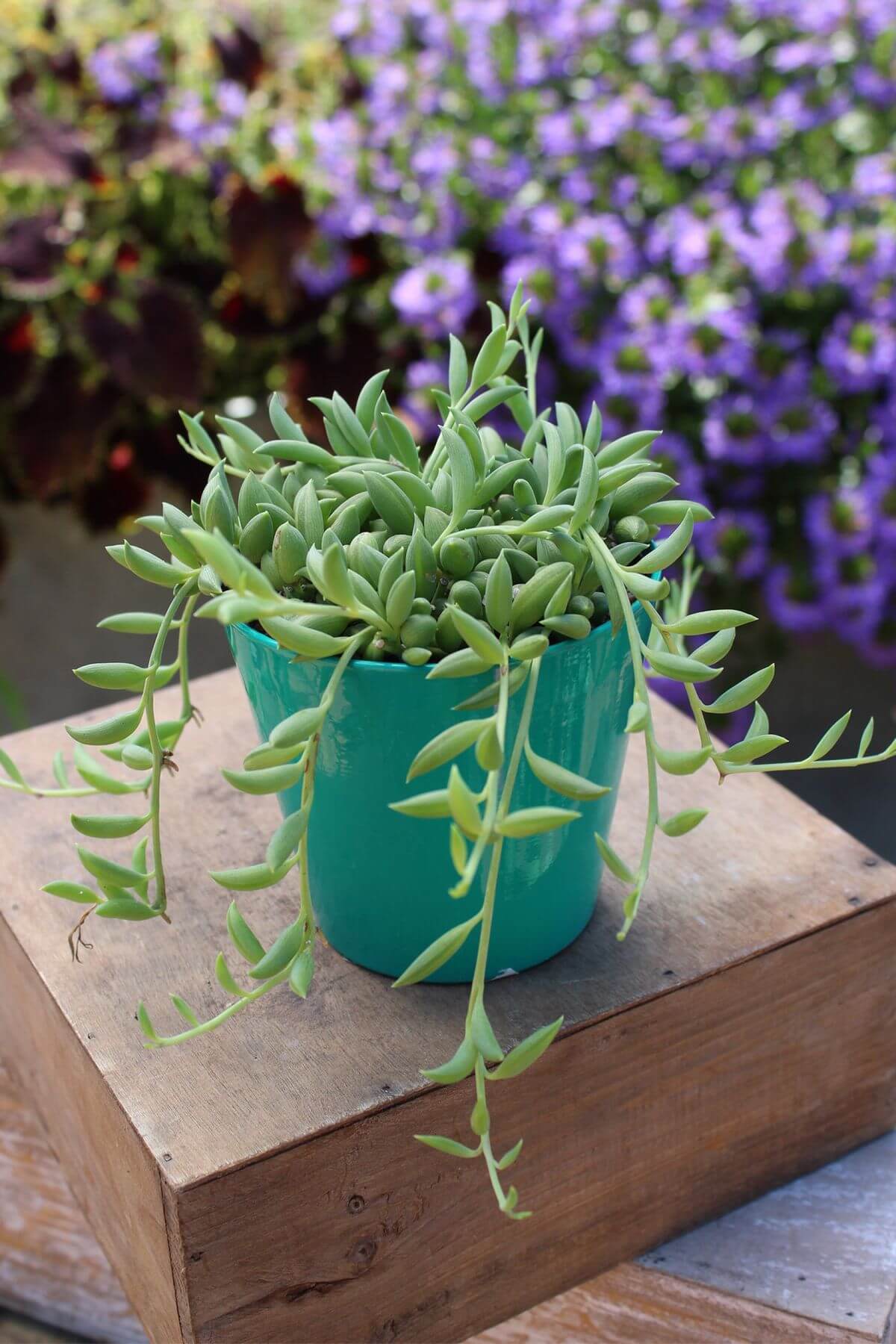
The string of bananas is a charming succulent whose mini banana-like leaves dangle down elegantly from shelves and hanging containers. If you grow it outdoors, give it bright shade to protect its delicate foliage from scorching. This trailing habit makes it perfect for elevated displays where its cascading stems can be fully appreciated. I’ve found it particularly effective in vertical garden ideas where space is limited but visual impact is desired.
#7 String of Pearls
Source: Cloudshillsucculents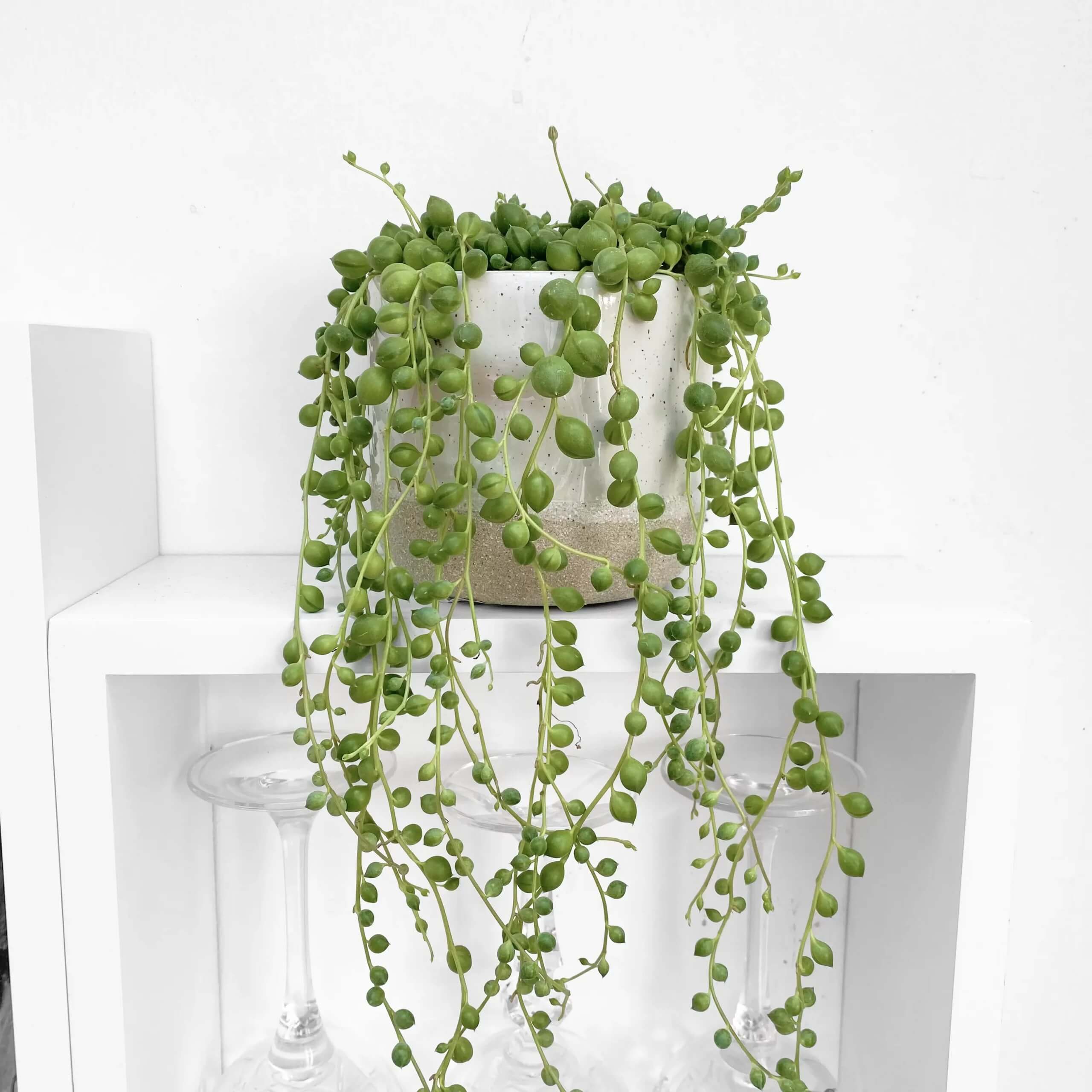
The string of pearls is an excellent trailing succulent, looking beautiful in hanging baskets and spilling over flower pots with its bead-like leaves. It grows well in bright shade, preferring protection from intense direct sunlight that can damage its delicate strands. Plant it in a hanging basket to beautify any room with its cascading form. In my experience, this variety actually performs better in slightly dimmer conditions than its popular cousin, string of bananas.
#8 Jade Plant
Source: Plantsworld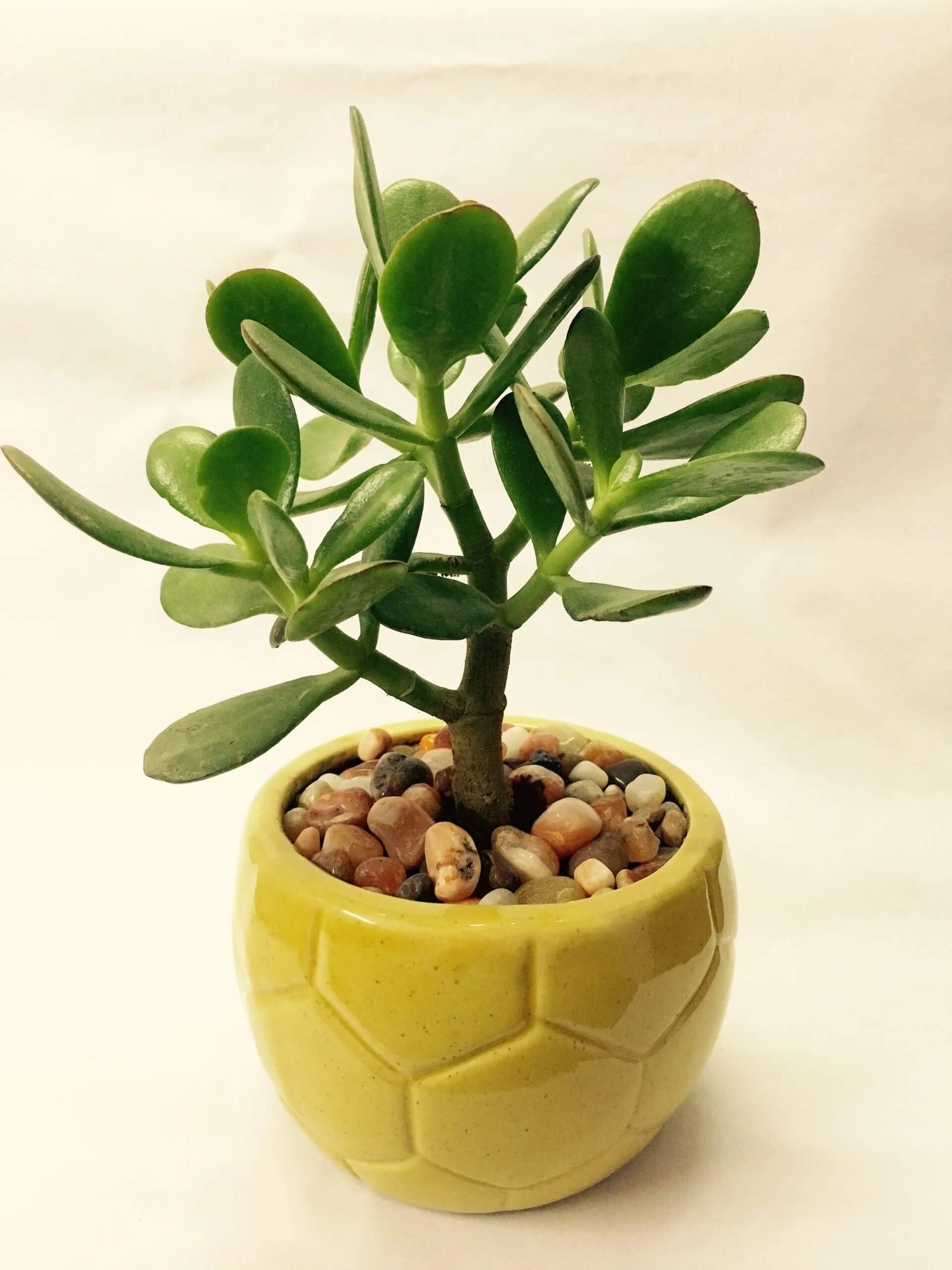
Jade Plant produces round and fleshy leaves that help them retain water and tolerate neglect for extended periods. If planted in ideal conditions, this plant will bring small, star-shaped flowers of pink or white in winter. Also, it is very easy to keep and maintain indoors as it can tolerate shade better than most succulents its size. I’ve found that jade plants in lower light develop deeper green, more luxurious foliage than their sun-stressed counterparts.
#9 Spider Agave
Source: Planetdesert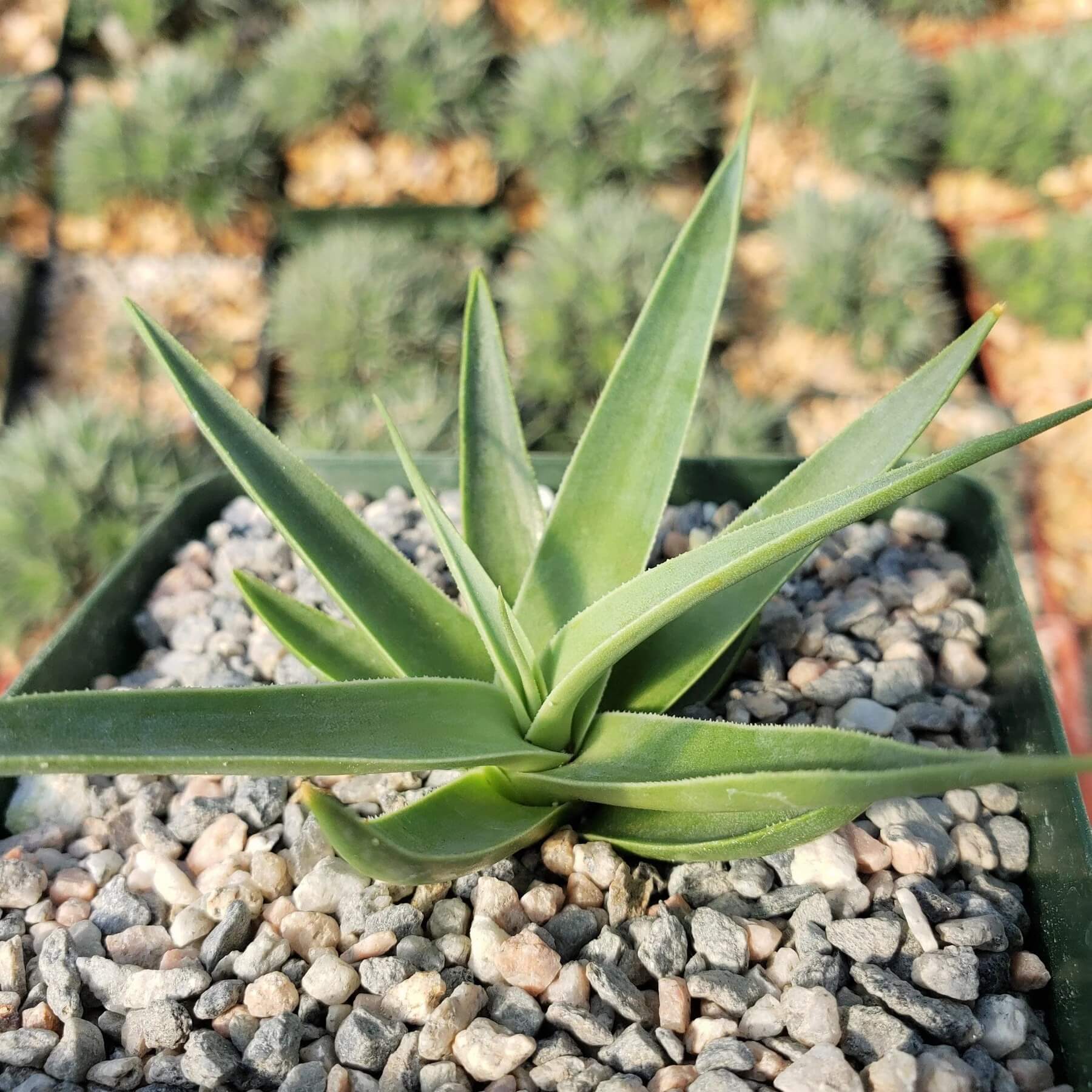
Spider Agave is one of the best shade-tolerant agaves, performing well in bright shade to full sun depending on your climate. It produces a compact structure with arching form, spineless leaves, and low height making it a great choice for containers and rock gardens. Unlike most agaves that demand intense light, this variety maintains its attractive form in partial shade. In my collection, it has proven invaluable for adding agave texture to areas that receive only morning sun.
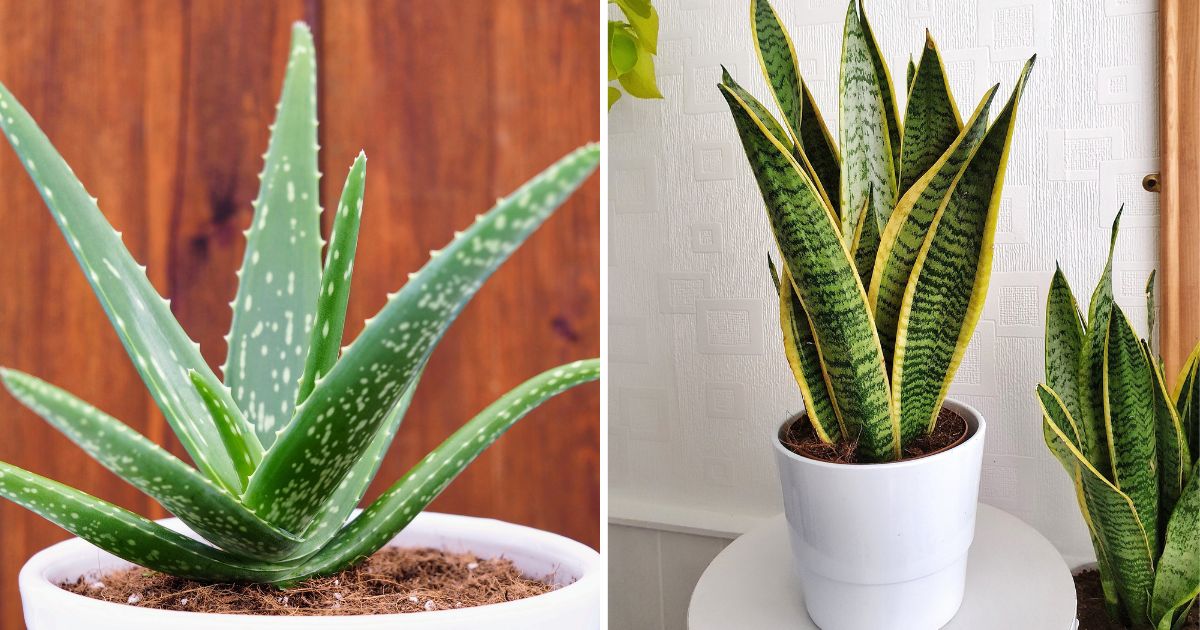
#10 Snake Plant
Source: Thefloweralley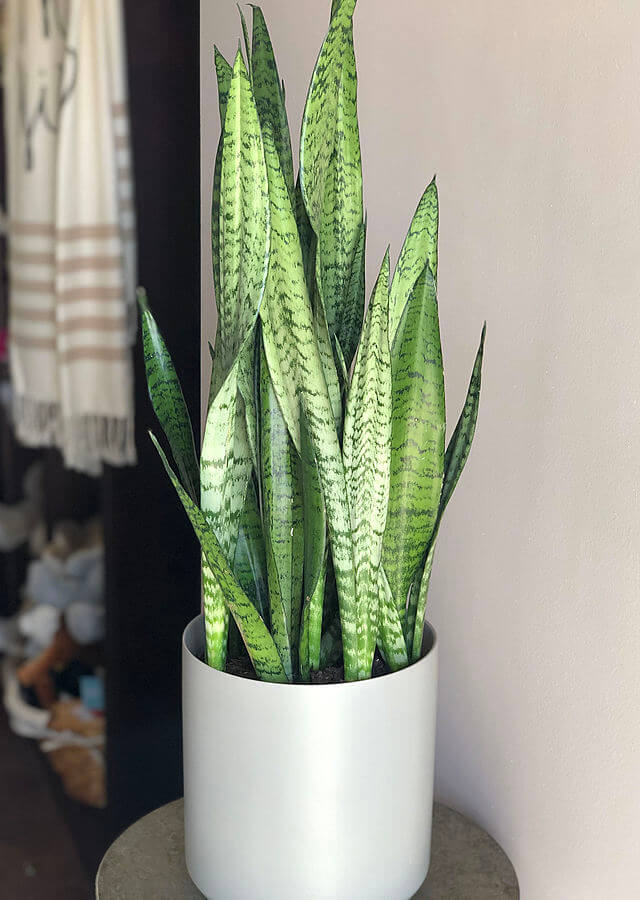
Snake plants can retain water in their leaves so they only require water when the topsoil appears dry, roughly every three weeks or so. They can grow easily in shady spots but the plant may lose its striking variegation in deep shade. This adaptability makes them among the most reliable low-light succulents available. I’ve used them successfully in office environments with only fluorescent lighting, where they continue to purify air and add living presence.
#11 Wax Plant
Source: Lazyflora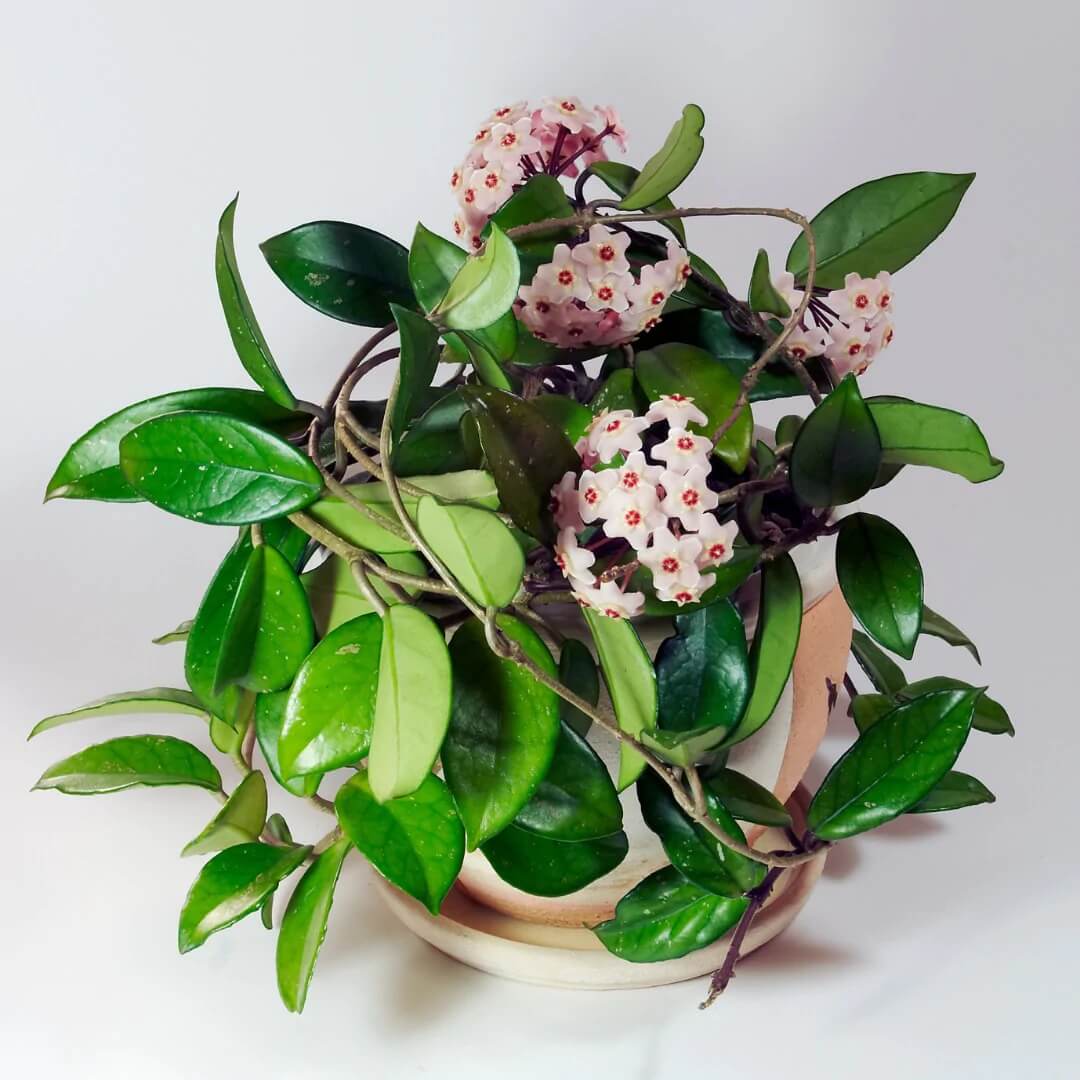
Wax Plant offers light green foliage that has a vein-like pattern of dark green color along with fragrant white-burgundy flowers. This makes the climbing plant an impressive addition to your apartment or office space. It does well in filtered sunlight and highly humid conditions, thriving in bathroom environments. In my experience, the waxy leaves actually benefit from protection from harsh direct sun, which can cause unsightly burning.
#12 Aloe
Source: Fast-growing-tree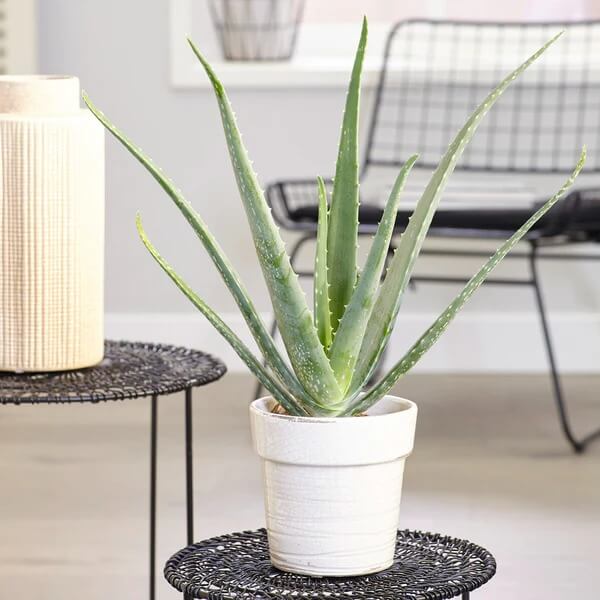
Aloe Vera is one of the most popular succulents with easy-to-grow properties and can also be used for medicinal purposes. This plant is hardy enough that you can grow it easily without a green thumb or extensive experience. It prefers full sun to part sun position to grow, but it can tolerate bright shade with some adjustment period. I’ve found that aloes in partial shade develop larger, more tender leaves perfect for harvesting gel.
#13 Flaming Katy
Source: Plantura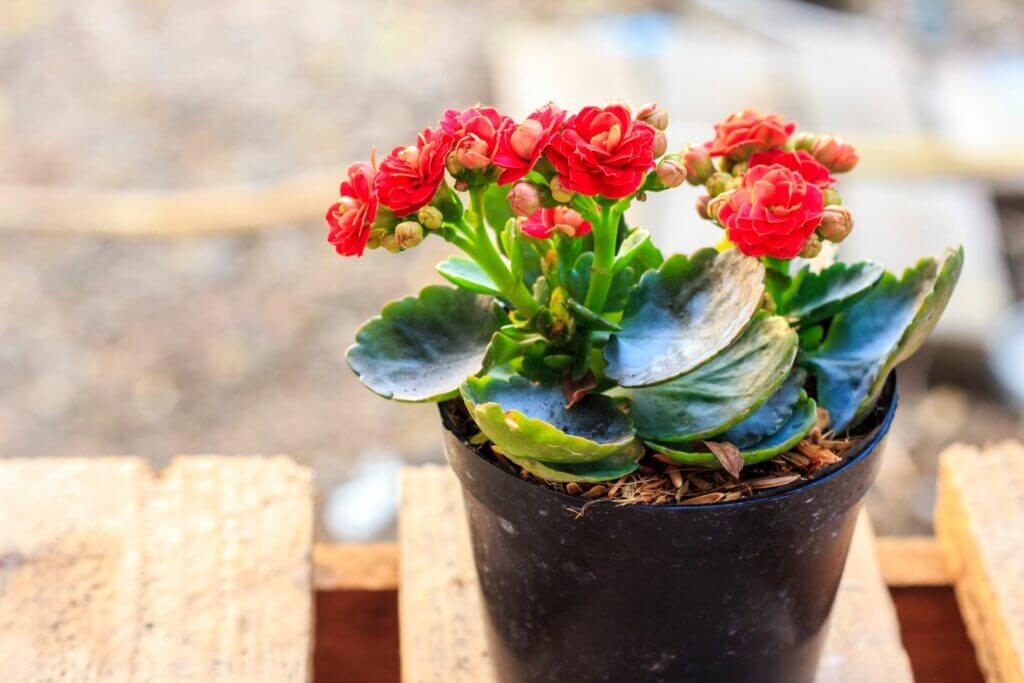
Flaming Katy gives beautiful flowers if grown in full sun or bright spot that receives adequate light. But you can enjoy fleshy dark green foliage if you keep it in a shady place, though blooming will be reduced. This trade-off makes it versatile for different locations depending on your priorities. In my indoor garden, I move mine to brighter spots when I want flowers, then return to shade for foliage display.
#14 String of Hearts
Source: Myhomenature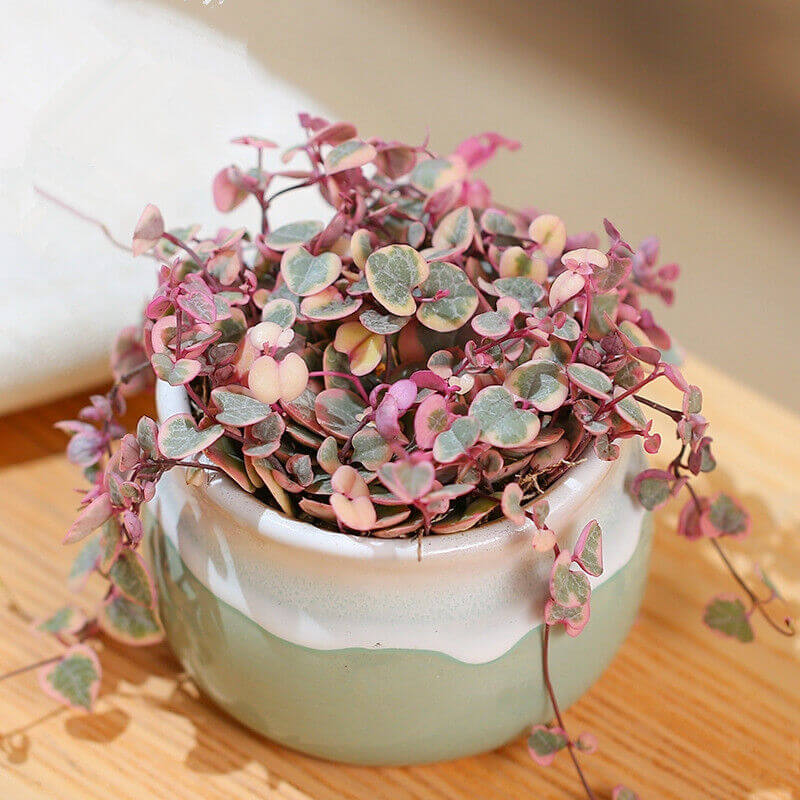
The string of hearts looks perfect in hanging baskets with heart-shaped variegated leaves that cascade delicately. They are dark green, marbled in silver on the upper sides, and green to purple on the undersides. It is an easy-to-care-for plant and grows best when gets a lot of indirect sunlight throughout the day. I’ve found that the variegation actually becomes more pronounced in bright shade compared to direct sun exposure.
#15 Zebra Cactus
Source: Paddockplants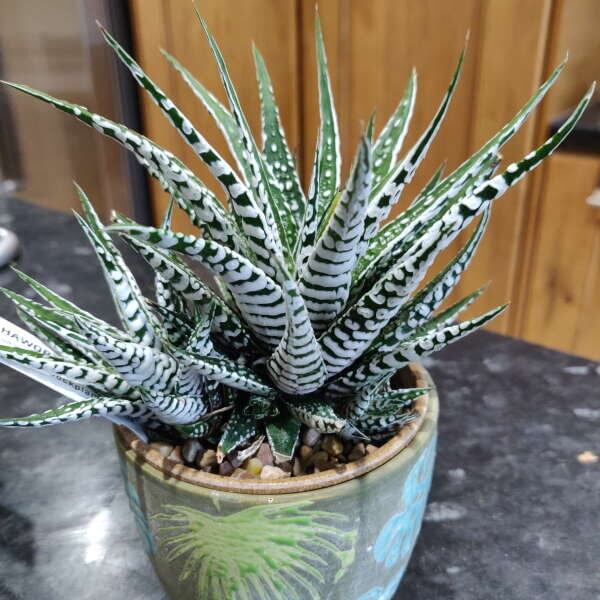
Zebra Cactus exhibits attractive fat foliage with striking horizontal stripes that create graphic visual interest. It is a low-maintenance plant that can be grown easily both indoors and outdoors in the shade. The distinctive patterning remains vivid even in lower light conditions. In my experience, this is one of the most reliable succulents for north-facing windowsills where other varieties would etiolate.
#16 Christmas Cactus
Source: Ruralsprout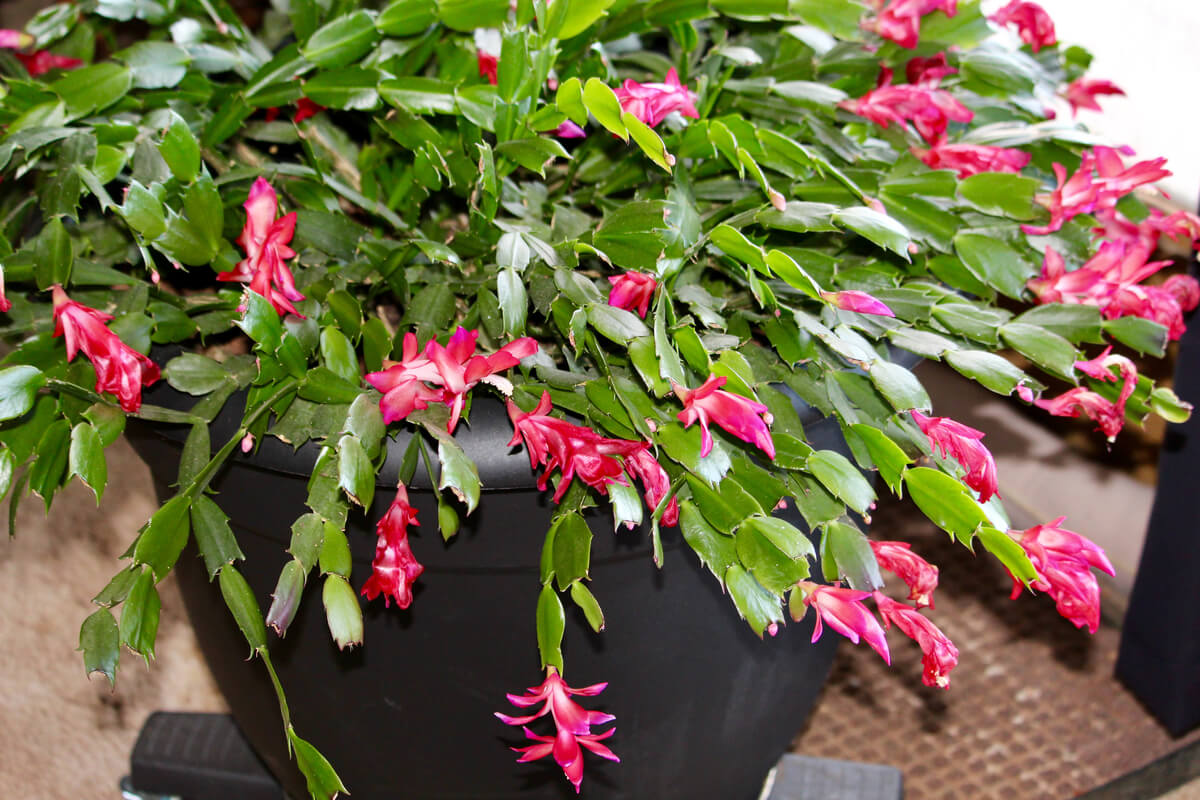
Unlike other succulents, Christmas cactus blooms best in the sun and in part shade as well, making it remarkably adaptable. It bears tubular flowers of a beautiful shade of pink and lilac color during winter months. Keep in mind that you should only water when the soil is completely dry to prevent root rot. In my collection, these have become holiday traditions, blooming reliably in December when other plants rest.
#17 Kiwi Aeonium
Source: Thegardener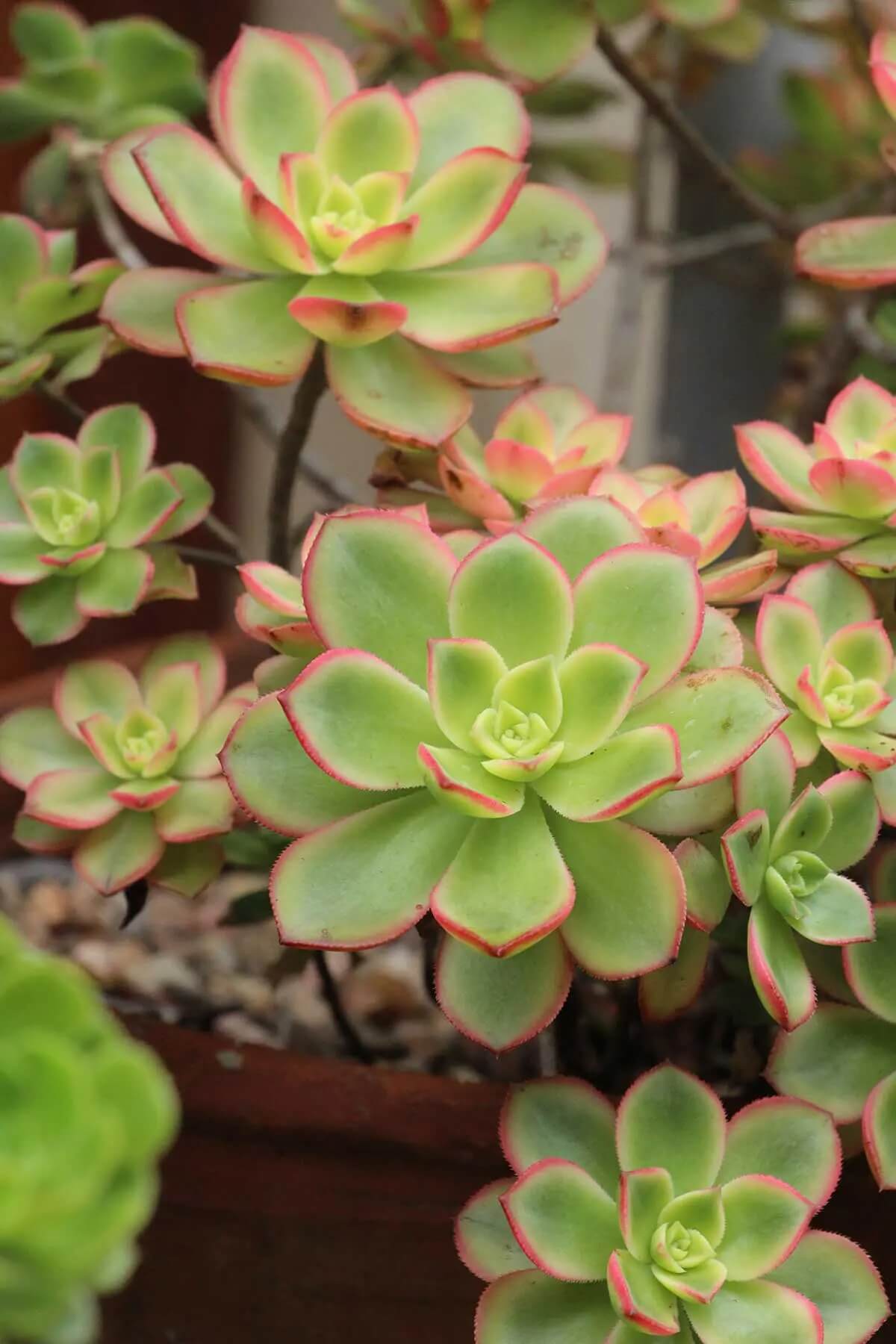
Kiwi Aeonium is a tough succulent with a brilliant shade of red that intensifies in bright conditions. It bears rosettes formed by fat spoon-like leaves that are pale yellow at the center, turning green outwards near the edges. It grows well in partial shade in cool climates and full shade in warm climates. I’ve found that in hot summers, providing afternoon shade actually preserves the vibrant coloration better than full sun exposure.
#18 Fox Tail Agave
Source: Picturethisai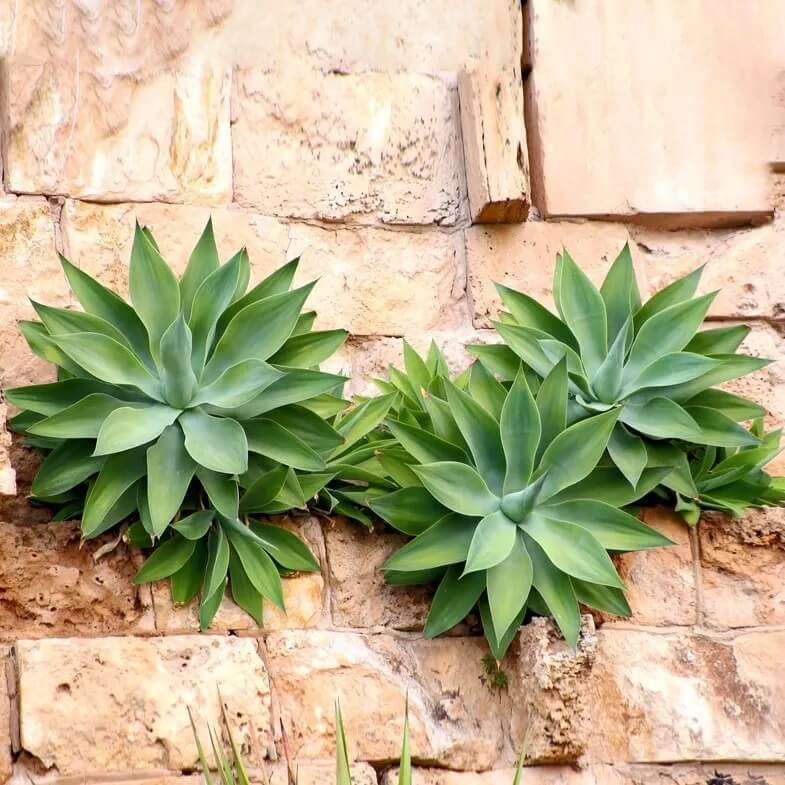
Fox Tail Agave is easy to grow and also known for its exceptional shade tolerance among agave species. It can grow up to 5 feet tall and wide, making a substantial architectural statement. Although this plant doesn’t bloom frequently, you will enjoy its beauty with the rosette-shaped structure of its leaves year-round. In my tropical garden designs, it serves as an anchor plant for shaded focal points.
#19 Crown of Thorns
Source: Carousell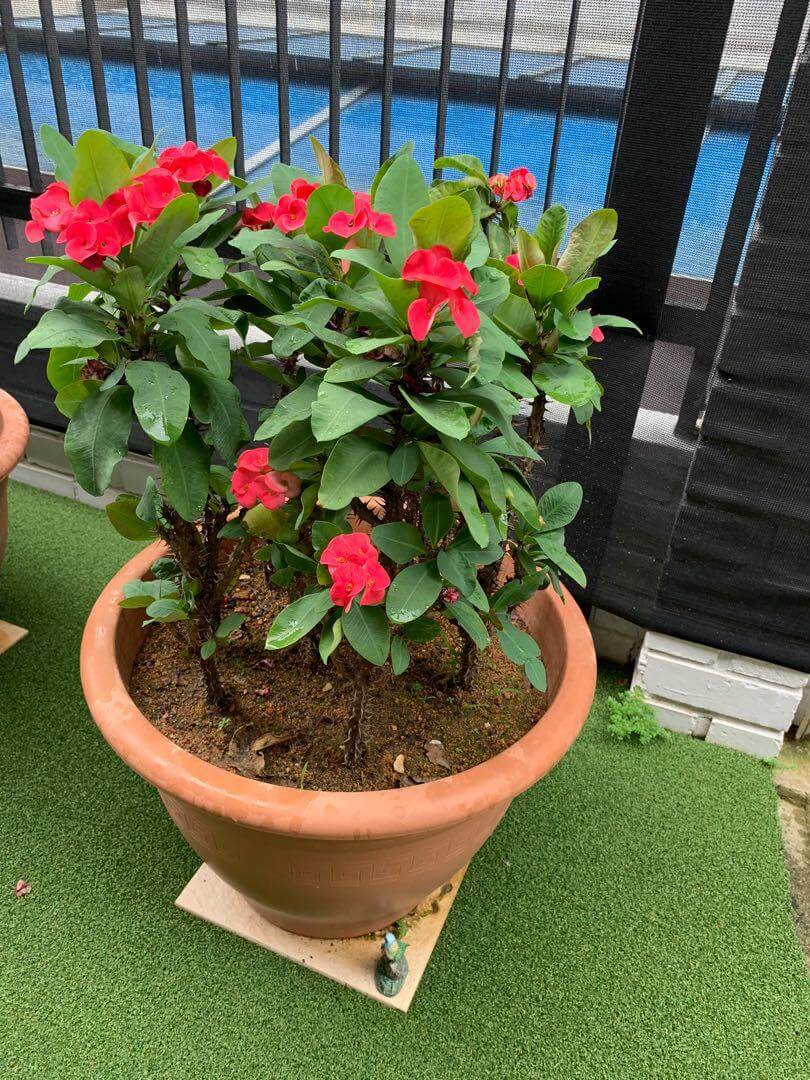
Crown of Thorns keeps blooming all the time if exposed to full sun but also tolerates shade beautifully. In lower light, you will see green leaves instead of the reddish tint that sun exposure creates. You can grow it both indoors and outdoors depending on your climate and available space. I’ve found it particularly valuable for container garden ideas where its continuous flowering adds color to shaded patios.