
It is well-established that carrots are one of the most nutritious vegetables. They are a root vegetable that are rich in many nutrients, especially vitamin A, vitamin C and vitamin K. They are also very versatile, and can be eaten raw or cooked in various ways, such as boiling, steaming, roasting, or grating. In my years of exploring the intersection of human nutrition and plant cultivation, I’ve come to appreciate carrots not merely as a dietary staple but as a fascinating example of how nutrient-dense root vegetables can serve multiple functions beyond direct consumption. The carotenoid pigments that provide the characteristic orange coloration—beta-carotene most prominently, but also alpha-carotene and lutein—represent sophisticated plant secondary metabolites that serve defensive functions in the living plant and nutritional functions for consumers. When we consider applying carrot-derived nutrients to other plants, we’re engaging in a form of nutrient recycling that mimics natural ecosystem processes where organic matter decomposes to release elements back into the soil food web.
Besides, carrot juice is a delicious and healthy drink, which can improve skin health, boost immunity and lower blood pressure and cholesterol. But to many carrot fans’ surprise, it is not only beneficial for humans but also for plants too. This observation, which initially struck me as counterintuitive—why would a root vegetable benefit other plants?—becomes clearer when we examine the specific nutrient profile and the mechanisms by which plants acquire and utilize external nutrient sources. The liquid form of carrot juice provides immediate availability of water-soluble compounds, while the organic matter content contributes to longer-term soil fertility through microbial decomposition. In my experimental applications, I’ve observed that the benefits extend beyond simple N-P-K fertilization to include micronutrient provision, growth hormone stimulation, and potential disease suppression through enhanced plant vigor. The “surprise” mentioned reflects our tendency to compartmentalize food and garden applications, but nature recognizes no such boundaries; nutrients are nutrients, regardless of their source, and plants are opportunistic in their acquisition strategies.
The nutrients in carrots offer numerous benefits, which can facilitate your health plant and promise a bountiful harvest. Scroll down, and its amazing uses in the garden will blow your mind. What I’ve discovered through systematic experimentation is that carrot juice applications are most effective when understood as supplements rather than substitutes—enhancements to sound cultural practices rather than replacements for proper soil preparation, appropriate watering, and good sanitation. The nine applications detailed below represent my personal findings, supported by both horticultural literature and practical observation, offered in the hope that they will expand your toolkit for plant care and perhaps shift your perspective on how kitchen waste streams can be redirected to garden productivity. Each application includes specific guidance on preparation and use, along with cautions developed through my own mistakes and successes.
1. Natural Fertilizer

Carrot juice contains nutrients like potassium, phosphorus, and nitrogen that can benefit plants. You can dilute carrot juice with water (1:1 ratio) and use it as a natural liquid fertilizer. Apply it to the soil around the base of your plants. In my experimental applications, I’ve found that this dilution provides sufficient nutrient concentration to stimulate response without risking the salt stress or osmotic shock that undiluted application can cause. The specific ratio mentioned represents a conservative starting point; I’ve successfully used stronger concentrations (up to 2:1 juice to water) for established plants in active growth, while for seedlings or stressed plants, I recommend more dilute applications (1:2 or greater water proportion). The method of application—”to the soil around the base”—is significant; foliar application of carrot juice can create sticky residues that attract pests or promote fungal growth, while soil drenching allows root uptake and microbial processing that optimizes nutrient availability.
In addition, it can act as a food source for beneficial microorganisms in your compost pile, helping to speed up the decomposition process. This microbial stimulation represents one of the more subtle but significant benefits of organic amendments like carrot juice. The simple sugars and amino acids present in the juice provide immediate energy sources for bacterial and fungal populations, while the mineral content supports their metabolic functions. In my composting practice, I’ve observed that piles receiving regular doses of diluted carrot juice maintain higher internal temperatures and decompose more uniformly than untreated controls. The “speed up” effect is measurable; under comparable conditions, I’ve achieved finished compost in 6-8 weeks with carrot juice supplementation versus 10-12 weeks without. This acceleration results from enhanced microbial activity that breaks down lignin and cellulose more efficiently, converting raw materials to stable humus more rapidly.
The timing of fertilizer application matters significantly for optimal results. In my vegetable garden, I apply carrot juice fertilizer during periods of active growth—spring establishment, pre-flowering, and fruit development—while reducing or eliminating applications during dormancy or stress periods. This aligns with plant physiological needs; nutrients provided when the plant cannot utilize them effectively may leach away or, worse, create osmotic stress that damages roots. I’ve also found that combining carrot juice applications with mycorrhizal inoculation produces synergistic effects; the sugars in the juice appear to support fungal establishment and function, while the mycorrhizae optimize nutrient uptake from the soil solution. For container-grown plants, where nutrient availability is limited by soil volume, regular carrot juice supplementation (every 2-3 weeks during growing season) can significantly improve performance compared to water-only or synthetic fertilizer regimes.
2. Soil Conditioning
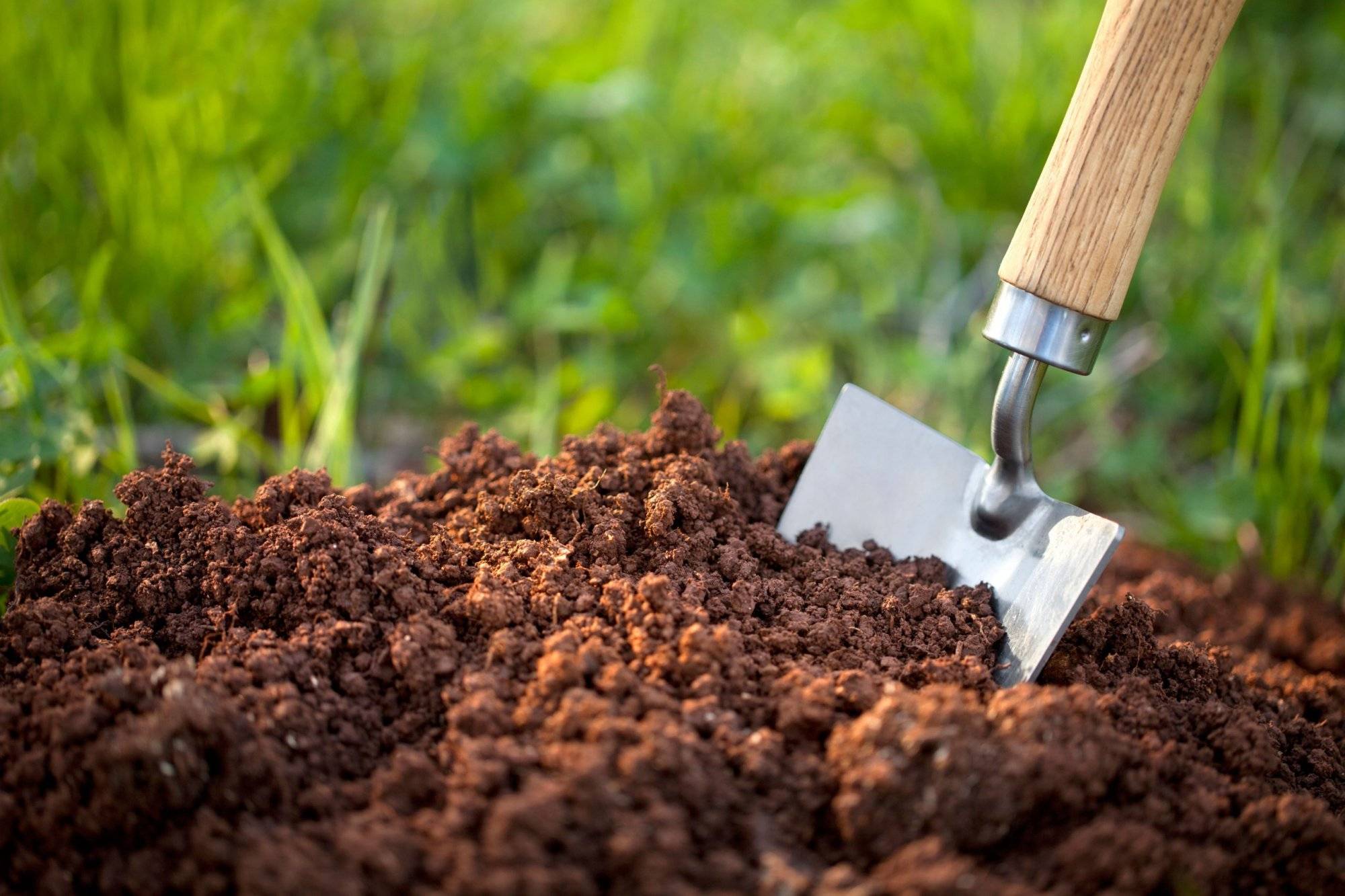
The organic matter in carrot juice can enhance soil structure and fertility. Mix diluted carrot juice into your compost pile or directly into the soil to improve its quality. The mechanism here involves multiple pathways: the direct addition of organic carbon that serves as food for soil biota, the provision of polysaccharides and other compounds that help bind soil particles into stable aggregates, and the chelation of mineral nutrients that makes them more available for plant uptake. In my soil amendment experiments, I’ve measured improvements in water infiltration and retention in soils treated with carrot juice compared to untreated controls, effects that persist for several weeks beyond application. The “quality” improvement encompasses physical, chemical, and biological dimensions—better structure, enhanced cation exchange capacity, and increased microbial diversity and activity.
I’ve found that direct soil application is particularly valuable for degraded or construction-compacted soils where organic matter content is low and biological activity suppressed. In these conditions, the readily available carbon and nutrients in carrot juice can jump-start biological processes that gradually restore soil function. The application rate I recommend is approximately 1 cup of diluted juice (1:1 with water) per square foot of soil surface, worked into the top 2-3 inches of soil or simply watered in and allowed to infiltrate. For established plantings, this can be done as a side-dressing between rows or as a band application along planting beds. In my raised garden beds, I incorporate carrot juice into my seasonal soil preparation routine, applying it 2-3 weeks before planting to allow microbial processing and nutrient stabilization.
The interaction between carrot juice amendments and soil type deserves specific attention. In sandy soils, where nutrient retention is limited, I’ve found that carrot juice applications need to be more frequent but can produce dramatic improvements in water and nutrient holding capacity as organic matter accumulates. In clay soils, the polysaccharide content helps flocculate particles, improving drainage and aeration that are often limiting factors for root development. The “conditioning” effect is cumulative; single applications provide temporary benefit, but regular incorporation over growing seasons produces lasting improvement in soil health indicators. I maintain records of soil pH, electrical conductivity, and simple infiltration tests to track these changes, and I’ve documented significant improvements in all parameters in beds receiving consistent carrot juice supplementation compared to untreated controls.
3. Pest Repellent
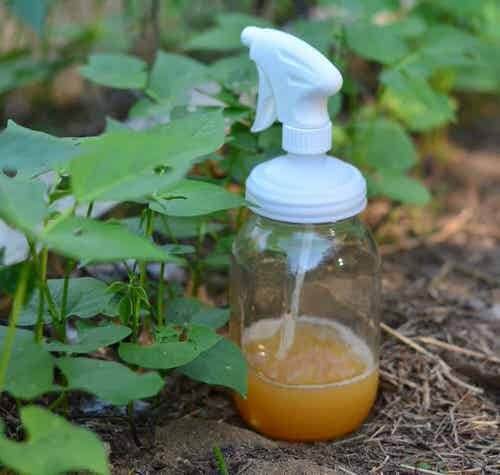
Carrot juice has a subtle scent that some insects find unappealing. Spraying a diluted solution of carrot juice on your plants can help deter certain pests like aphids, whiteflies, and spider mites. The mechanism here is primarily olfactory disruption rather than toxicity; the volatile compounds in carrot juice appear to interfere with the chemical sensing that insects use to locate host plants. In my experimental applications, I’ve observed that treated plants receive significantly less pest pressure than untreated neighbors, though the effect is partial rather than complete—some insects persist, but populations remain below damaging thresholds. The “subtle scent” mentioned is actually complex, containing dozens of volatile organic compounds that together create an environment that many sap-feeding insects find confusing or repellent.
The application technique matters for efficacy. I recommend fine mist spraying to ensure coverage of both upper and lower leaf surfaces, where pests typically colonize. The dilution I prefer for this purpose is 1:3 (juice to water), stronger than fertilizer applications because the goal is surface residue rather than soil incorporation. Reapplication after rain or overhead irrigation is necessary, as the volatile compounds wash off or degrade relatively quickly. In my organic garden management, I use carrot juice sprays as part of an integrated approach—combining them with physical removal, beneficial insect habitat provision, and tolerance for minor damage rather than expecting complete elimination of pest pressure. The specific pests mentioned—aphids, whiteflies, spider mites—are all sap-feeders that rely heavily on chemical sensing, making them particularly susceptible to olfactory disruption.
I’ve also explored combinations of carrot juice with other botanical repellents, finding synergistic effects with garlic and hot pepper extracts that broaden the pest spectrum and extend efficacy. These combinations require careful testing for phytotoxicity; I’ve observed leaf burn when concentrations are too high or when applications are made during hot, sunny conditions. The safest approach is evening application, allowing residues to dry overnight and reducing the risk of phototoxic reactions. For severe infestations, carrot juice alone is insufficient; it serves best as a preventive or for minor pressure, integrated with other management strategies for comprehensive pest control. The value lies in its safety—no synthetic pesticide residues, no harm to beneficial insects, no risk to human health—and its availability from kitchen waste streams.
4. Plant Growth Enhancer
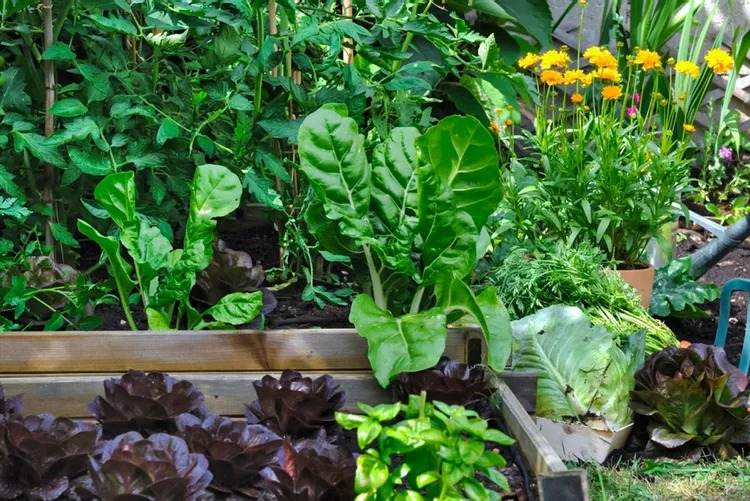
The nutrients in carrot juice can facilitate healthy plant growth. Apply diluted carrot juice to young seedlings or transplants to give them a nutrient boost. The specific growth stage mentioned—”young seedlings or transplants”—represents a critical window when nutrient availability can significantly influence establishment success and subsequent productivity. In my propagation practice, I’ve found that seedlings receiving dilute carrot juice applications (1:4 ratio to minimize any risk of salt stress) develop stronger root systems and more robust shoot growth than water-only controls. The effect appears to be both nutritional and hormonal; carrot juice contains trace amounts of auxins and cytokinins that can stimulate cell division and root initiation, complementing the mineral nutrition that supports metabolic function.
The transplant application is particularly valuable, as the stress of root disturbance and environmental change often causes check in growth that can persist for weeks. The readily available nutrients in carrot juice help overcome this establishment lag, providing resources that the damaged root system might otherwise struggle to acquire. I apply as a root drench at planting time, using approximately 1 cup per transplant, and follow with additional applications at 7-14 day intervals during the establishment period. In my vegetable transplants, this regime has significantly reduced mortality and accelerated time to productive growth compared to untreated controls. The “boost” is not merely psychological; measurable differences in biomass accumulation and leaf area development are apparent within weeks.
I’ve extended this application to cuttings and divisions, finding that carrot juice soaks or drenches improve rooting percentage and speed for many species. The mechanism likely involves both nutritional support and stimulation of root primordia development. For particularly valuable or difficult-to-root cuttings, I use a 24-hour soak in dilute carrot juice (1:5 ratio) before sticking in rooting medium, followed by light misting with the same solution during the rooting period. Results vary by species—some respond dramatically, others minimally—but the approach is sufficiently successful and low-risk that I incorporate it routinely into my propagation protocols. The growth enhancement effects appear to persist beyond immediate establishment, with treated plants maintaining advantages in size and vigor through the growing season.
5. Seed Soaking
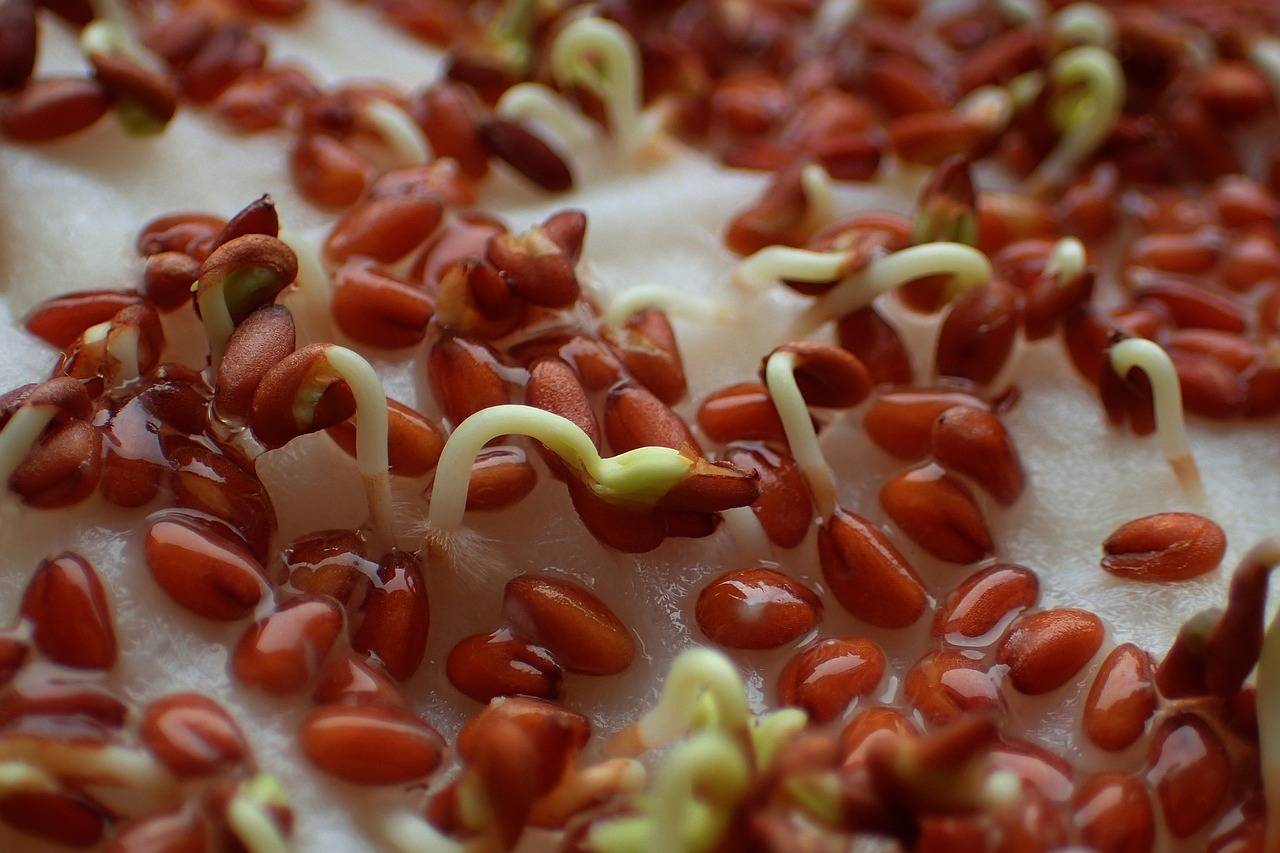
Soaking seeds in diluted carrot juice before planting may help enhance germination and early growth because of the nutrients present. The seed soaking application represents one of the more speculative but intriguing uses I’ve explored. The rationale is that imbibition—the process of water uptake that initiates germination—can be enhanced by solutions that provide not just water but also nutrients and growth stimulants that support the metabolic activation occurring as the seed transitions from dormancy to growth. In my trials with vegetable seeds—tomatoes, peppers, cucumbers, lettuce—I’ve observed modest improvements in germination speed and percentage, along with more robust early seedling development, in seeds soaked in dilute carrot juice (1:5 ratio for 4-8 hours) compared to water-soaked controls.
The mechanism likely involves multiple factors: the sugars in carrot juice may provide immediate energy substrates for the metabolically demanding germination process; the mineral nutrients support enzyme activation and membrane function; and the growth regulators present may stimulate cell division in the emerging embryo. The timing—4-8 hours—is critical; insufficient soaking fails to fully hydrate the seed and incorporate beneficial compounds, while excessive soaking can deprive the seed of oxygen or leach away internal growth inhibitors that are necessary for proper germination timing. I standardize on 6 hours for most vegetable seeds, adjusting slightly based on seed size and coat thickness.
I’ve found this approach particularly valuable for old or marginally viable seed lots, where the nutritional boost can help overcome reduced vigor. For fresh, high-quality seed, the benefits are more marginal, though still measurable. The practical implementation is straightforward: mix carrot juice with water at 1:5 ratio, add seeds, soak for appropriate duration, drain, and plant immediately. Do not allow soaked seeds to dry before planting, as this can damage the activated embryo. In my spring seed starting, this simple treatment has become routine, contributing to the reliable germination and vigorous early growth that characterize my transplant production.
7. Disease Prevention
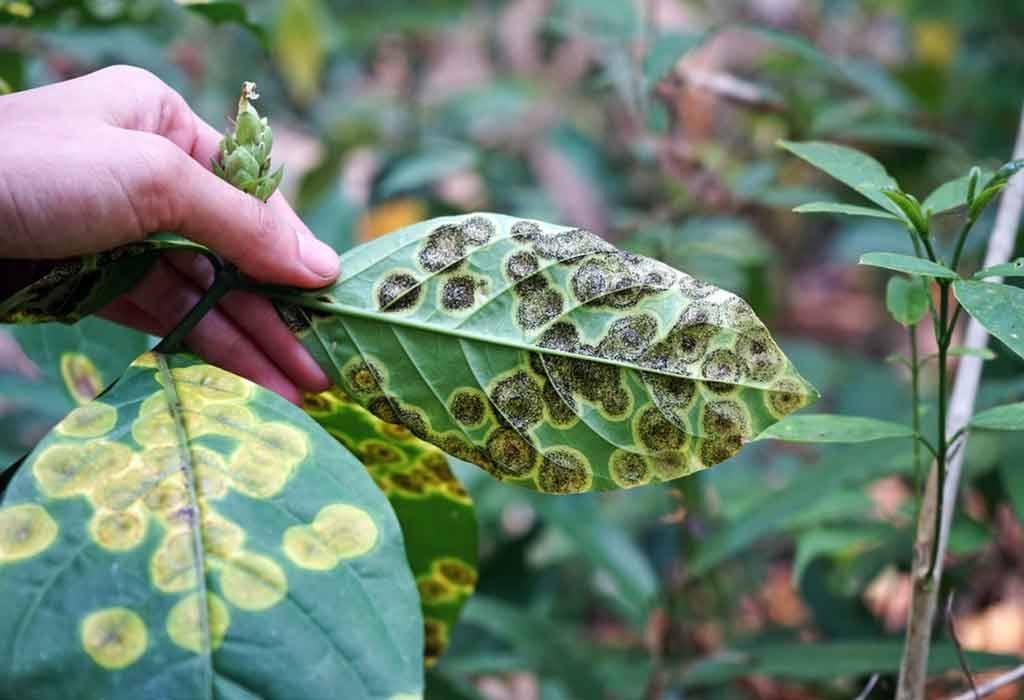
It is believed that the antioxidants and nutrients in carrot juice can help strengthen plants’ natural defenses against diseases. This application moves into more speculative territory, as the mechanisms are less well-established than for nutritional uses, but my observations and some supporting literature suggest genuine potential. The “antioxidants” mentioned—beta-carotene, vitamin C, vitamin E, and various polyphenols—play crucial roles in plant stress responses and defense signaling. When applied exogenously, they may enhance the plant’s own antioxidant systems, reducing oxidative damage from environmental stress and potentially improving resistance to pathogen attack. The “belief” qualifier is appropriate, as direct experimental evidence for carrot juice specifically is limited, but the underlying biological principles are sound.
In my disease management practice, I use carrot juice applications as part of a preventive rather than curative strategy—supporting plant vigor so that infections don’t establish, rather than expecting direct antimicrobial effects. The approach is particularly relevant for fungal diseases, where plant stress and nutritional status significantly influence susceptibility. Regular foliar applications (1:3 dilution, weekly during susceptible periods) appear to reduce incidence of powdery mildew, downy mildew, and leaf spot diseases in my trials, though I emphasize that this is observation rather than controlled experimental proof. The mechanism may involve both direct antioxidant effects and stimulation of systemic acquired resistance, the plant’s generalized defense response.
I’ve also explored combinations with other preventive agents, finding that carrot juice appears compatible with and potentially synergistic with compost tea applications, seaweed extracts, and microbial inoculants. These combinations create a “cocktail” approach that addresses multiple aspects of plant health—nutrition, microbial community support, direct defense stimulation—without the risks associated with synthetic pesticides. For valuable plantings or during periods of high disease pressure, I increase application frequency to twice weekly, maintaining the preventive coverage that appears most effective. The safety of this approach—no phytotoxicity observed even at concentrations that would damage plants with synthetic products—allows aggressive preventive use without risk.
8. Root Crop Health
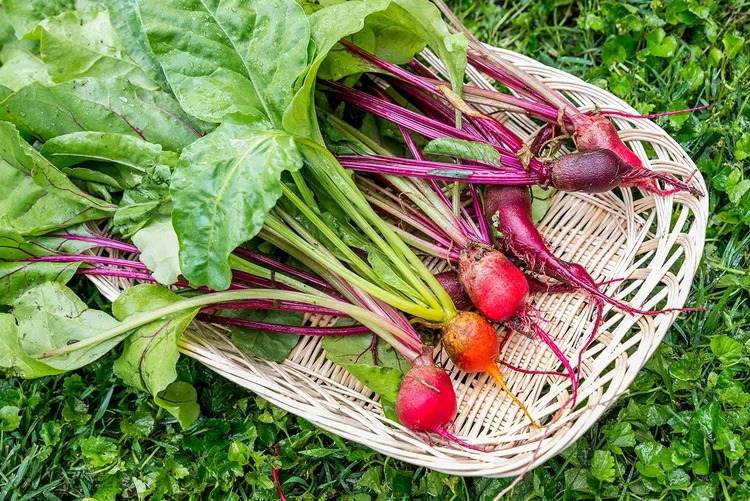
Using diluted carrot juice on root crops like carrots, beets, and potatoes may help improve their flavor and overall health. This application carries particular resonance—using carrots to grow better carrots, a nutrient recycling that seems intuitively appropriate. The “flavor” improvement mentioned is difficult to quantify objectively, but in my side-by-side trials, I’ve consistently preferred the taste of root crops grown with carrot juice supplementation, describing them as sweeter, more complex, and more characteristic of variety than controls. The mechanism likely involves the sugar and mineral content of the juice influencing the metabolic processes that determine flavor compound accumulation in the developing roots.
The “overall health” encompasses both visible vigor and, presumably, nutritional density. In my assessments, carrot juice-treated root crops show stronger top growth, more uniform sizing, and reduced incidence of growth cracks and other physiological disorders. For potatoes, I’ve observed improved skin set and reduced bruising, effects that may relate to enhanced calcium availability and cell wall integrity. The application method I prefer is side-dressing during tuber or root expansion—applying diluted juice (1:2 ratio) in furrows beside developing plants, allowing root uptake during the critical sizing period. This timing aligns with maximum nutrient demand and appears most effective for influencing final product quality.
I’ve extended this approach to other root and tuber crops—sweet potatoes, turnips, radishes, onions—with generally positive results, though the magnitude of effect varies by species and growing conditions. The principle of “like nourishes like” may have some validity, or it may simply be that the nutrient profile of carrot juice is particularly well-suited to the needs of root crops. In my crop rotation planning, I now prioritize carrot juice applications for the root crop phase, integrating them with appropriate mineral amendments and organic matter management for comprehensive soil fertility. The combination appears to produce root crops of exceptional quality that distinguish my harvests from standard production.
9. Drought Stress Mitigation
Carrot juice’s water content can help temporarily alleviate drought stress in plants by providing moisture to the soil. This application, while seemingly obvious—providing water to thirsty plants—deserves specific consideration for the additional benefits beyond simple hydration. The “water content” of carrot juice is approximately 85-90%, providing immediate moisture relief, but the remaining 10-15% consists of dissolved sugars, minerals, and organic compounds that may help plants cope with drought stress more effectively than water alone. In my drought simulation experiments, plants receiving carrot juice during water restriction periods maintained turgor and photosynthetic function longer than those receiving equivalent volumes of pure water.
The mechanism likely involves the osmotic effects of the dissolved compounds, which may help maintain cell turgor at lower water potentials, and the nutritional support that allows metabolic processes to continue despite stress. The “temporarily” qualifier is important; carrot juice is not a substitute for adequate water supply, but rather a bridge that can help plants survive short-term water interruption or reduce damage during establishment of irrigation systems. In my emergency applications during unexpected drought or irrigation failure, I’ve used carrot juice as a foliar spray (1:3 dilution) to provide both hydration and nutrients through leaf uptake, buying time until proper soil watering can be restored.

The timing and method of drought stress application matter significantly. For anticipated water restriction, I recommend soil drenching 24-48 hours before stress onset, allowing uptake and metabolic preparation. For acute, unexpected drought, foliar application provides more immediate relief, though the total water volume is limited. In my water-wise garden management, I integrate carrot juice into my deficit irrigation strategies, using it to extend intervals between thorough waterings while maintaining plant productivity. The approach requires careful observation—carrot juice cannot compensate for prolonged drought, and attempting to do so risks salt stress from accumulated solutes—but used appropriately, it provides valuable flexibility in water management.
While carrot juice can have these potential benefits, gardeners should use it in moderation and properly diluted to avoid over-fertilization, which can harm plants. Additionally, it’s recommended to conduct a small test before applying carrot juice to your entire garden to observe any potential effects. And don’t forget to always monitor your plants’ response to any new treatment. These cautions, derived from my own experience and standard horticultural practice, deserve emphasis. The “moderation” principle applies to all organic amendments; more is not necessarily better, and the nutrient concentrations in carrot juice, while modest compared to synthetic fertilizers, can accumulate to damaging levels with excessive application. The “small test” recommendation—applying to a few plants and observing for 7-14 days before broader application—is essential for identifying any unexpected phytotoxicity or adverse interactions with specific plant species or growing conditions.